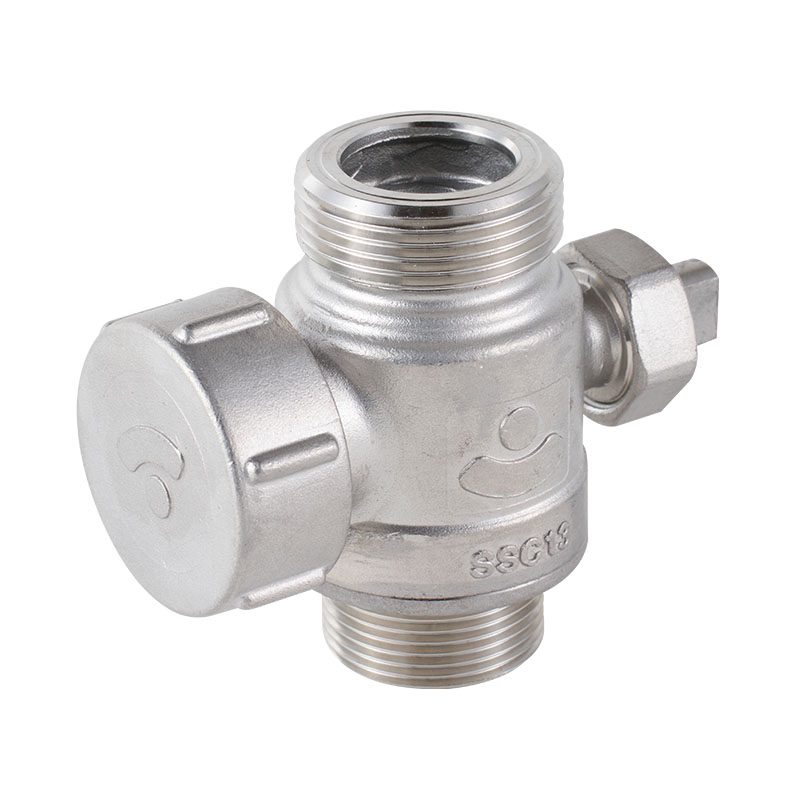
Shifts in global shipping practices are gradually changing how equipment is designed, selected, and maintained on vessels. In this context, Petroleum Valve systems and Marine Accessories are no longer viewed as isolated components but as interconnected elements within broader operational frameworks. As digital monitoring, fuel management, and safety expectations continue to develop, these products are being adapted to meet new conditions at sea while maintaining practical functionality and durability.
Shipping operations today are influenced by a combination of regulatory adjustments, fuel diversification, and the need for more transparent system monitoring. These changes directly affect how petroleum valves function within onboard pipelines, especially in applications involving fuel transfer, storage, and pressure control. At the same time, marine accessories such as connectors, gauges, brackets, and fastening systems must align with these evolving requirements.
Rather than focusing solely on mechanical strength, many vessel operators are now paying attention to compatibility with monitoring systems and ease of inspection. For example, valves used in fuel systems are expected to support smoother flow control while allowing easier integration with sensors. Similarly, accessories used in installation and support roles are being designed to simplify maintenance tasks, reduce downtime, and adapt to tighter engine room layouts. These developments reflect a gradual move toward systems that are easier to manage rather than simply more complex.
Smart shipping does not necessarily mean fully automated vessels; in many cases, it refers to the use of data-driven tools that assist crews in monitoring performance and identifying potential issues early. This shift has practical implications for both petroleum valves and marine accessories.
Petroleum valves, for instance, are increasingly being designed with features that allow for more consistent control under variable pressure conditions. This includes improved sealing structures and materials that can handle different types of fuels, including low-sulfur or alternative blends. These adjustments help maintain stable operation without requiring frequent manual intervention.
Marine accessories are also adapting in subtle ways. Mounting components and pipe supports are being refined to reduce vibration impact, which is important for maintaining sensor accuracy in smart systems. Cable management accessories, though often overlooked, are becoming more structured to accommodate additional wiring associated with monitoring devices. These changes may seem incremental, but they contribute to a more organized and manageable onboard environment.
Environmental considerations are playing a more visible role in equipment selection. Exposure to saltwater, temperature variation, and chemical interaction remains a constant challenge, but newer shipping practices are placing additional emphasis on long-term material stability.
Petroleum valves are now more frequently produced using alloys or treated surfaces that resist corrosion over extended periods. This is particularly relevant in fuel systems where even minor material degradation can affect sealing performance. In addition, internal components such as seats and seals are being adapted to work with fuels that may have different lubrication properties compared to traditional options.
Marine accessories, including clamps, brackets, and connectors, are also benefiting from material updates. Stainless steel variations, composite materials, and coated metals are commonly used to extend service life. These choices are not about achieving extreme performance but about ensuring that components continue to function consistently under routine operating conditions.
When selecting petroleum valves and marine accessories for modern vessels, several practical factors are commonly taken into account:
These considerations reflect the day-to-day needs of operators rather than abstract performance goals. By focusing on usability and consistency, shipowners can better align equipment choices with operational realities.