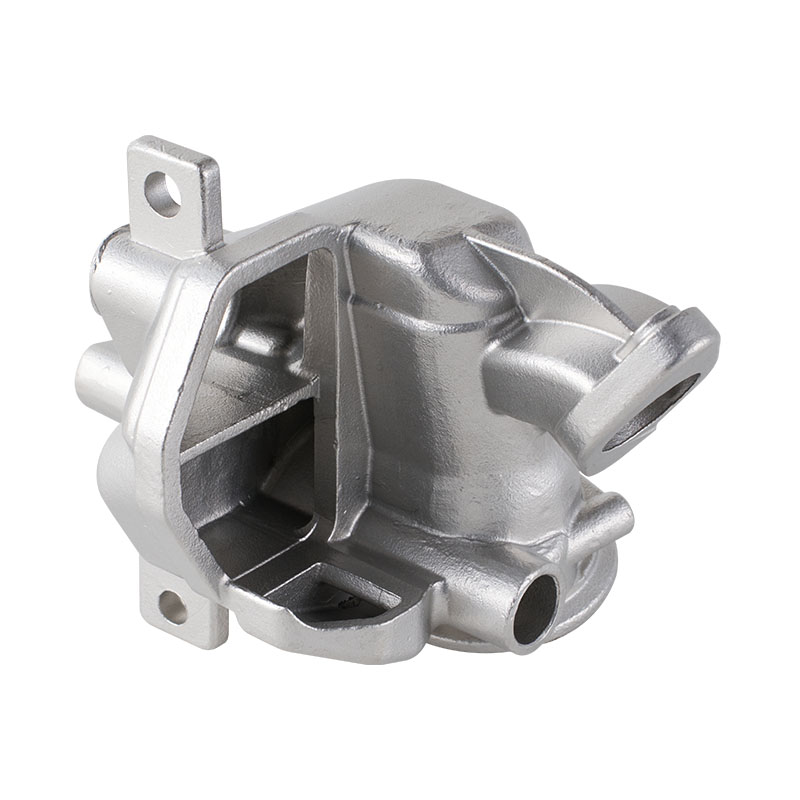
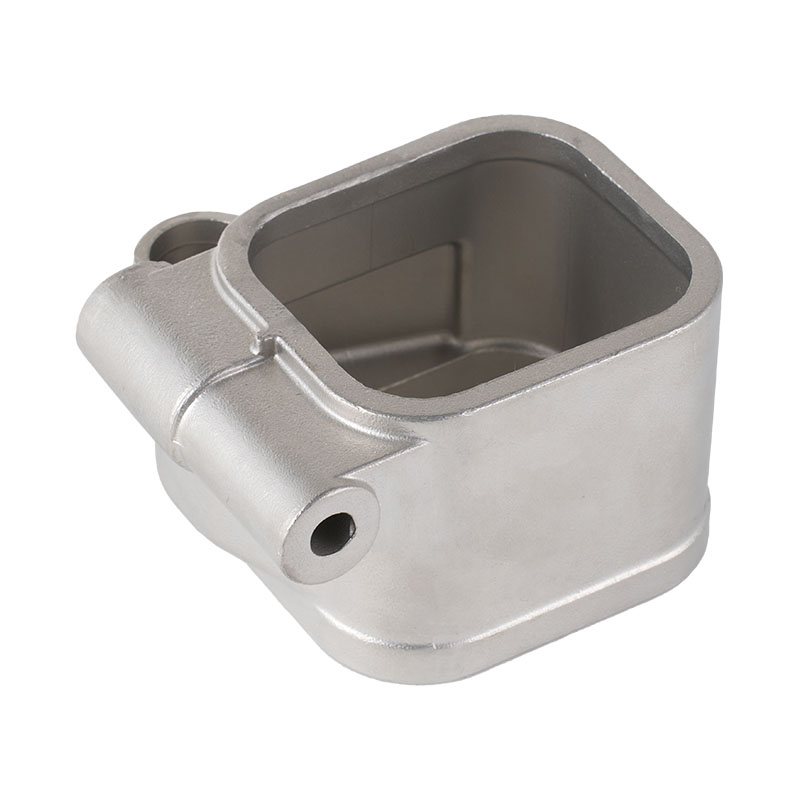
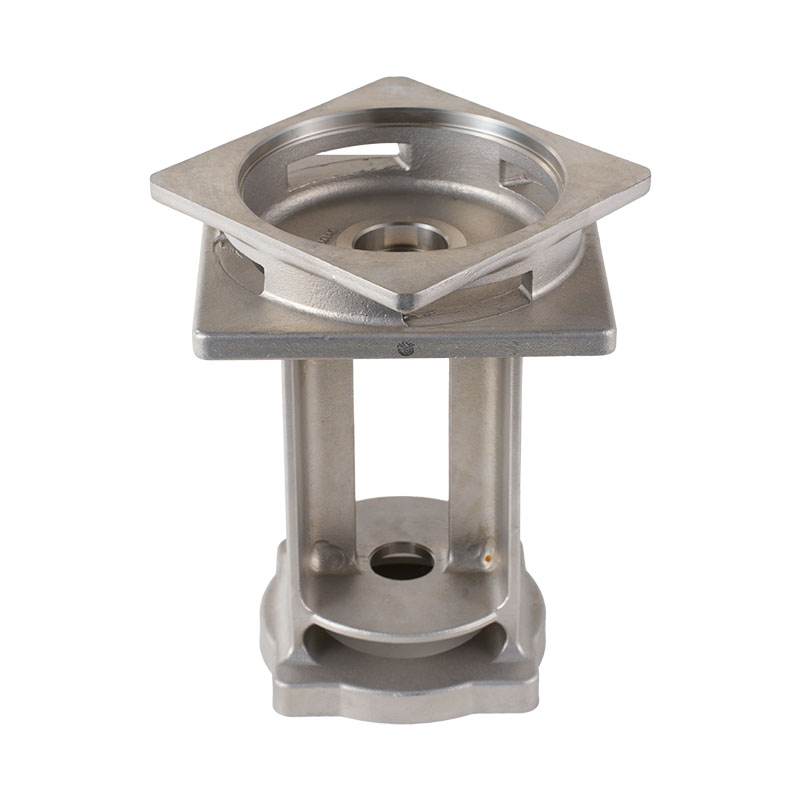
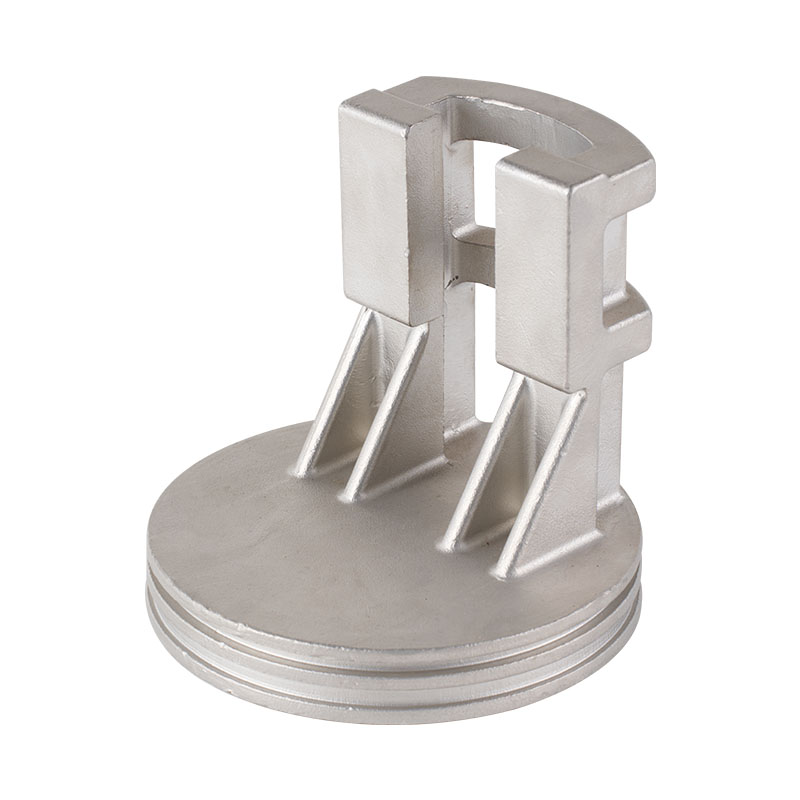
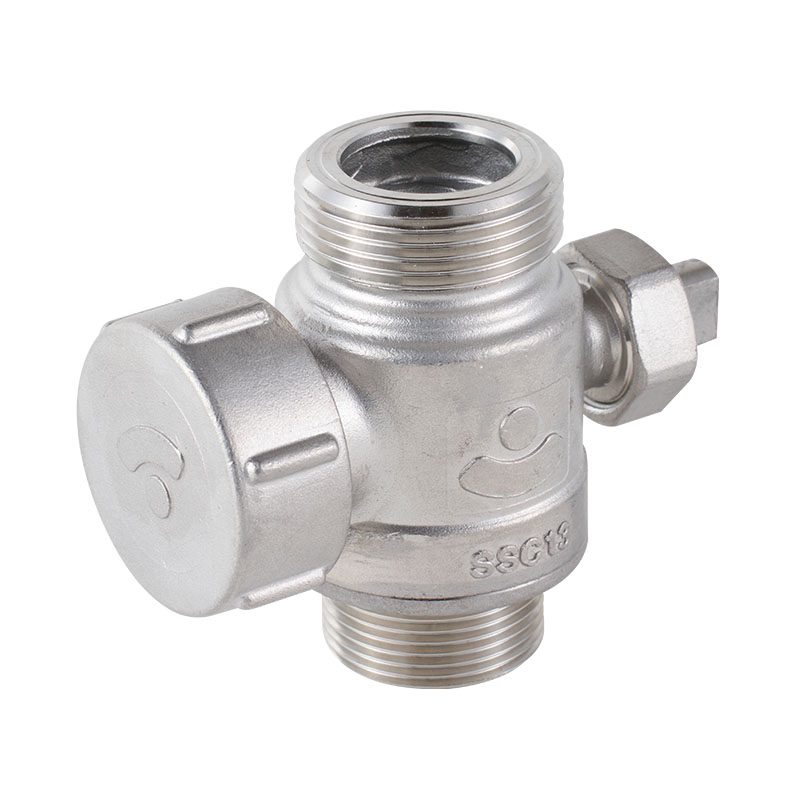
Routine vessel maintenance is closely tied to how onboard systems are configured and supported by key components. Within this framework, Petroleum Valve assemblies and Marine Accessories play an important role in keeping fluid systems stable and accessible for inspection. Their design, placement, and compatibility with other equipment can influence how easily crews perform daily checks, scheduled servicing, and unexpected repairs.
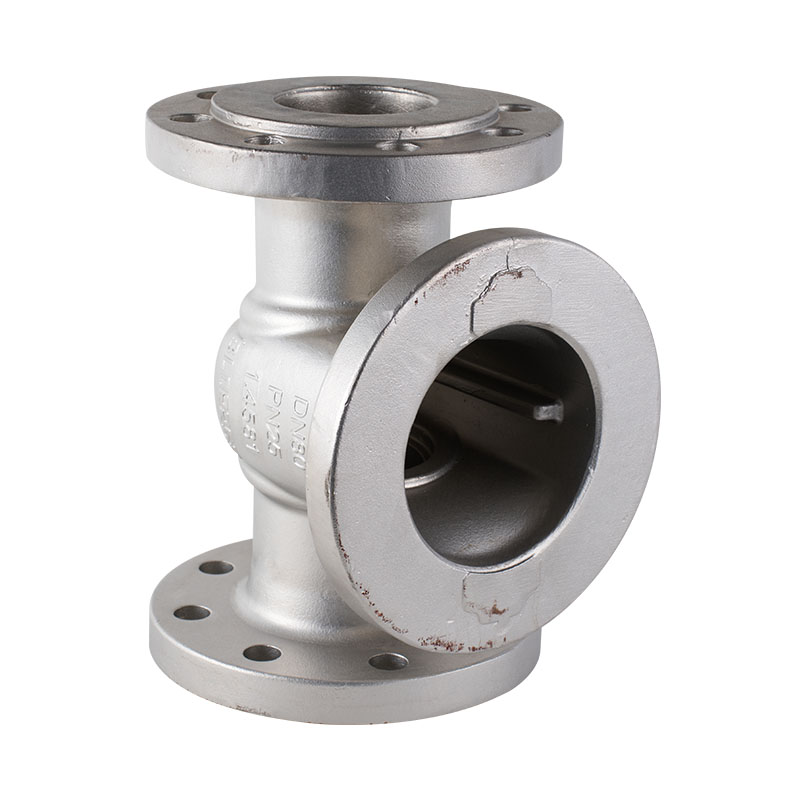
Maintenance routines on vessels are shaped by operating hours, environmental exposure, and the type of cargo or fuel handled onboard. Petroleum valves are commonly installed in fuel transfer lines, storage systems, and auxiliary pipelines, where they regulate flow and isolate sections for inspection. Their condition directly affects how safely and smoothly these systems can be serviced.
Marine accessories, although sometimes considered secondary components, contribute to the overall maintenance process by supporting installation stability and accessibility. Pipe clamps, brackets, sealing connectors, and fastening elements help maintain alignment and reduce unnecessary movement. When these accessories are properly selected, they make it easier for maintenance personnel to access valves, inspect joints, and carry out adjustments without dismantling large sections of equipment. This practical aspect is often more valuable than complex design features.
Some marine accessories are particularly useful in simplifying routine maintenance and improving workflow efficiency:
Pipe Clamps and Supports
These components help secure pipelines in position, reducing vibration and mechanical stress. Stable pipelines make it easier to inspect petroleum valves and reduce the likelihood of misalignment during servicing.
Quick-Release Couplings
Used in certain fluid systems, these allow sections of piping to be disconnected without extensive tools. This can shorten the time needed for cleaning or replacement tasks.
Gaskets and Sealing Elements
Proper sealing components help maintain tight connections, which reduces leakage risks and simplifies inspection procedures. Easily replaceable gaskets are often preferred in maintenance-heavy areas.
Mounting Brackets and Frames
These accessories support valves and related equipment, ensuring they remain accessible. Well-positioned brackets allow technicians to reach components without removing adjacent parts.
Inspection Ports and Covers
Strategically placed access points provide a direct way to observe internal conditions or perform minor interventions without dismantling entire systems.
Each of these accessories contributes in a practical way, helping crews carry out maintenance tasks with fewer interruptions and less complexity.
The design of petroleum valves has a direct impact on how maintenance routines are performed. Valves that allow clear visual inspection of key areas, such as sealing surfaces and connection points, are generally easier to manage during routine checks. In addition, standardized connection sizes and flange arrangements simplify replacement processes when components reach the end of their service cycle.
Another consideration is the internal structure of the valve. Designs that reduce the accumulation of residues or allow smoother internal flow paths can help limit the frequency of cleaning. While no system is entirely maintenance-free, these design adjustments can make regular servicing more predictable and manageable.
Material selection also plays a role. Valves exposed to marine environments are often made with corrosion-resistant metals or treated surfaces to maintain structural stability over time. This helps ensure that bolts, seals, and moving parts remain functional when maintenance is required, avoiding situations where components become difficult to disassemble due to corrosion or wear.
Beyond individual components, the overall layout of petroleum valves and marine accessories has a strong influence on maintenance routines. Equipment that is installed with adequate spacing and logical routing allows technicians to perform inspections without navigating tight or obstructed areas.
For example, arranging valves in accessible positions along pipelines makes it easier to isolate sections during maintenance. Similarly, grouping related accessories—such as supports, connectors, and monitoring points—can reduce the time needed to locate and service specific parts. This approach does not require major design changes but benefits from careful planning during installation.
Clear labeling and consistent arrangement also contribute to smoother maintenance processes. When components are easy to identify, crews can follow standard procedures more efficiently, especially in situations where time is limited or conditions are challenging.