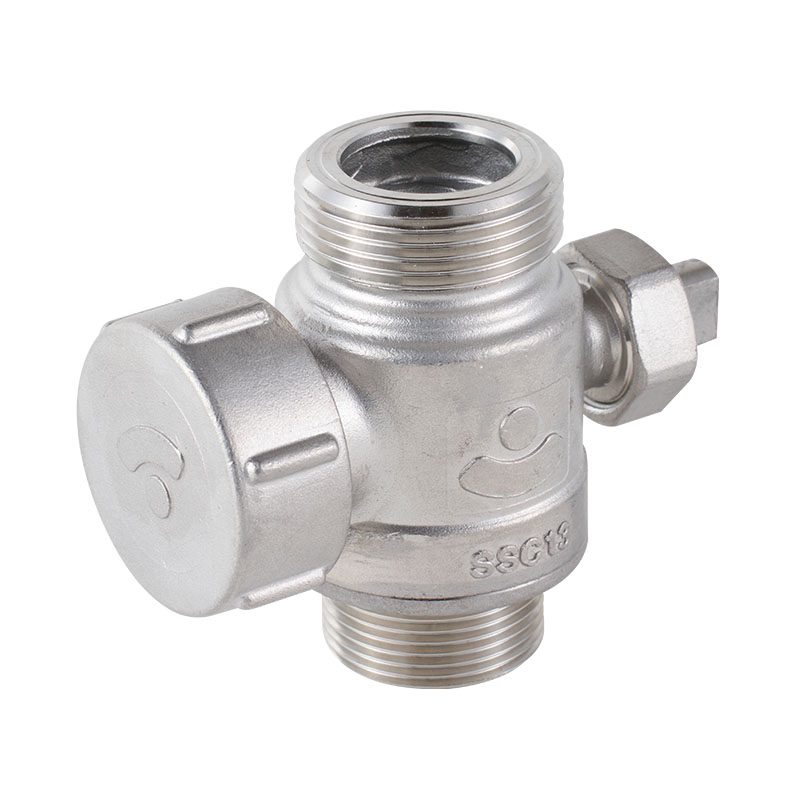
Shifting energy projects are gradually reshaping how fluid control systems are specified and maintained across industrial and marine environments. Within this transition, Petroleum Valve solutions and supporting Marine Accessories are being evaluated not only for traditional oil applications but also for compatibility with evolving fuel types and operational requirements. Selecting suitable valves today involves balancing material performance, system integration, and long-term service considerations rather than focusing on a single technical factor.
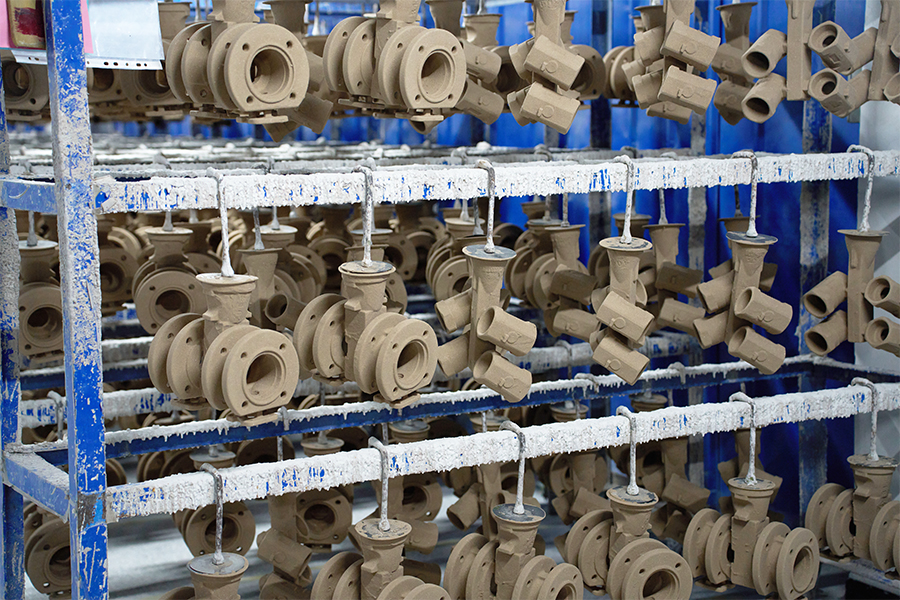
Energy projects are no longer limited to conventional petroleum extraction and transport. Many operations now involve mixed fuel systems, alternative energy carriers, or transitional fuels such as low-sulfur oil, LNG blends, or bio-based liquids. These changes introduce different flow characteristics, chemical properties, and temperature ranges, all of which influence how petroleum valves perform over time.
Valves that worked under stable crude oil conditions may require adjustments when exposed to fuels with lower lubrication properties or varying viscosity. At the same time, marine accessories connected to these systems—such as seals, connectors, and supports—must also be compatible with the same media. The interaction between valve materials and transported substances becomes more important, especially in preventing leakage, corrosion, or unexpected wear.
Another aspect to consider is operational variability. Energy projects often involve fluctuating loads, intermittent operation, or changes in pressure conditions. Petroleum valves selected for these environments need to handle such variations without requiring constant manual adjustment, while still allowing for routine inspection and servicing.
When evaluating petroleum valves for changing energy applications, several practical factors can guide decision-making:
Material Compatibility
Valve bodies, seals, and internal components should be suitable for the specific fuel or fluid being handled. This includes resistance to chemical interaction and the ability to maintain structural stability over time.
Pressure and Temperature Range
The selected valve should align with the expected operating conditions, including any fluctuations that may occur during system startup, shutdown, or load variation.
Connection Standards
Choosing valves with standardized flanges or threaded connections helps simplify installation and future replacement, especially when integrating with existing systems.
Maintenance Accessibility
Designs that allow easy access to internal components can reduce the time required for inspection and servicing.
Flow Characteristics
Valves should provide stable control over flow rates without causing unnecessary turbulence or pressure drop within the system.
These criteria are often evaluated together rather than in isolation, as each factor influences overall system performance and maintenance requirements.
Although petroleum valves are central to fluid control, marine accessories play a supporting role that directly affects installation quality and long-term usability. Components such as pipe supports, gaskets, couplings, and mounting brackets contribute to system stability and alignment, which in turn influences how valves operate under real conditions.
For example, improperly supported pipelines can introduce vibration or misalignment, placing additional stress on valve connections. By contrast, well-designed support accessories help maintain consistent positioning, reducing unnecessary strain on the valve body and its internal components.
Marine accessories also contribute to maintenance efficiency. Quick-access connectors, modular supports, and standardized fastening systems make it easier to remove or adjust valves when required. In projects where system configurations may change over time, these accessories provide flexibility without requiring complete redesigns.
Different types of petroleum valves are suited to different operational needs, and selecting the appropriate type depends on the specific application within the energy project. Gate valves, ball valves, and globe valves each offer distinct characteristics in terms of flow control and shut-off capability.
Ball valves provide quick shut-off and are commonly selected for systems that require frequent operation. Globe valves, on the other hand, allow more precise flow regulation but may introduce higher pressure drop compared to other types.
The choice between these valve types should consider how the system is expected to operate on a daily basis. For example, a pipeline that requires periodic isolation for maintenance may benefit from a valve that allows straightforward operation and clear position indication. At the same time, compatibility with marine accessories such as actuators, supports, and connectors should be taken into account to ensure smooth integration.