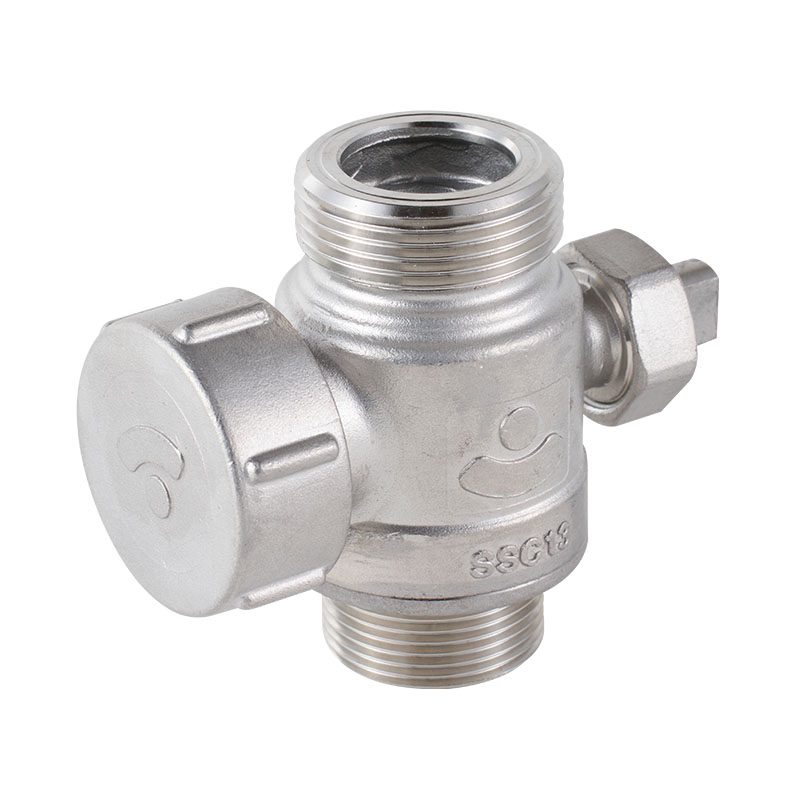
Across fluid handling systems in marine and industrial environments, the connection between Petroleum Valve performance and supporting Marine Accessories is often reflected over extended operating periods rather than during initial installation. Choices made at the selection stage can influence how equipment behaves under continuous use, how frequently maintenance is required, and how easily systems can be adjusted when conditions change. These factors contribute to the overall stability of operations and determine whether equipment remains manageable over time.
Petroleum valves are responsible for controlling flow, isolating sections, and maintaining pressure balance within pipelines. When a valve is not well matched to system requirements, even small inconsistencies can affect surrounding equipment. For example, irregular flow control may create pressure fluctuations that influence pumps, seals, and connected fittings.
Over time, these variations can result in gradual wear across multiple components rather than a single point of failure. This is why valve selection is often considered a system-level decision rather than an isolated purchase. A valve that aligns with flow conditions, pressure ranges, and operating frequency tends to support smoother system behavior, while mismatched specifications may introduce ongoing adjustments or unplanned maintenance.
Marine accessories contribute to this stability by ensuring that valves are properly supported and aligned. Without appropriate supports or connectors, even a correctly selected valve may experience additional stress, which can affect its long-term function.
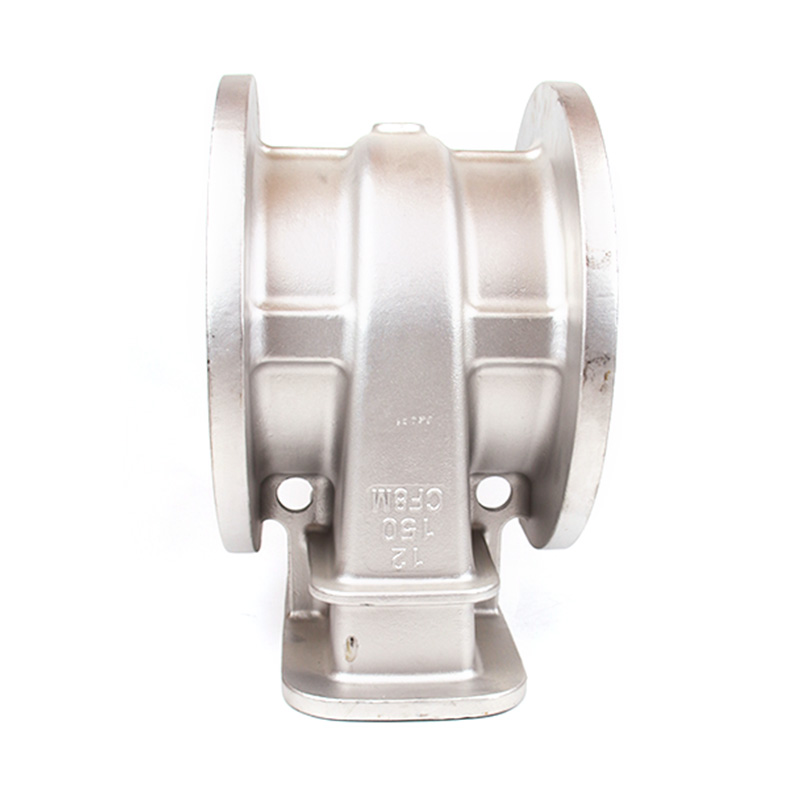
Material selection is one of the more practical aspects affecting how petroleum valves perform over time. Different fuels and fluids can interact with valve materials in subtle ways, especially under varying temperature and pressure conditions. Metals used in valve bodies must withstand corrosion, while internal components such as seals and seats need to maintain their structure during repeated operation.
When materials are not fully compatible with the operating environment, signs of degradation may appear gradually. This can include surface corrosion, reduced sealing effectiveness, or difficulty in operation due to material expansion or contraction. These issues do not always appear immediately but can influence maintenance frequency and system downtime over extended periods.
Marine accessories also rely on suitable material choices. Pipe clamps, brackets, and connectors that are exposed to similar conditions must maintain their structural integrity to support the valve system effectively. Consistency in material performance across both valves and accessories helps avoid uneven wear and reduces the likelihood of localized failures.
Even when a petroleum valve is selected according to technical specifications, installation quality plays a significant role in long-term performance. Misalignment during installation can introduce mechanical stress, which may not be immediately visible but can affect how the valve operates over time.
Marine accessories such as mounting brackets, supports, and flexible connectors help maintain correct positioning. These components absorb minor vibrations and accommodate small movements within the system, preventing stress from concentrating on the valve body or its connection points. Without these supporting elements, the valve may be subjected to forces that were not considered during its design.
Proper installation also includes ensuring that valves are accessible for inspection and maintenance. Accessories that allow for stable mounting while maintaining accessibility contribute to more consistent servicing, which in turn supports long-term equipment condition.
When selecting petroleum valves with long-term performance in mind, several practical considerations can guide the process:
Alignment with operating conditions
The valve should match expected pressure, temperature, and flow variations within the system.
Ease of inspection and servicing
Designs that allow clear access to internal components can support routine maintenance without extensive disassembly.
Compatibility with existing accessories
Ensuring that valves integrate smoothly with current supports, connectors, and pipeline layouts reduces installation complexity.
Standardization of components
Using commonly available sizes and connection types can simplify future replacement and reduce delays.
Resistance to environmental exposure
Materials and coatings should be suitable for conditions such as humidity, salt exposure, or contact with specific fluids.
These factors are often evaluated together, as each one influences how the valve will perform within the broader system over time.