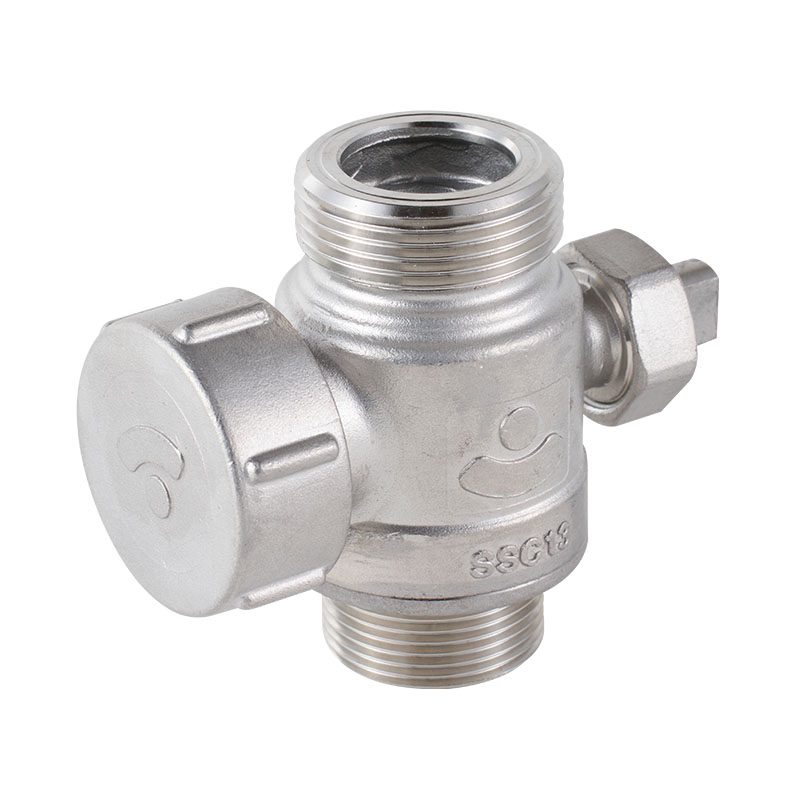
Chemical processing plants handle a variety of fluids that require careful flow control, pressure management, and isolation for safety and operational consistency. Butterfly Valve and Butterfly Valve Casting are widely used in these facilities due to their straightforward design, adaptability, and suitability for different chemical conditions.
Butterfly valves are versatile and can be installed in multiple areas within chemical processing plants. Their applications can be summarized as:
These examples show how butterfly valves integrate into chemical processing operations, providing practical solutions for flow management without introducing unnecessary complexity.
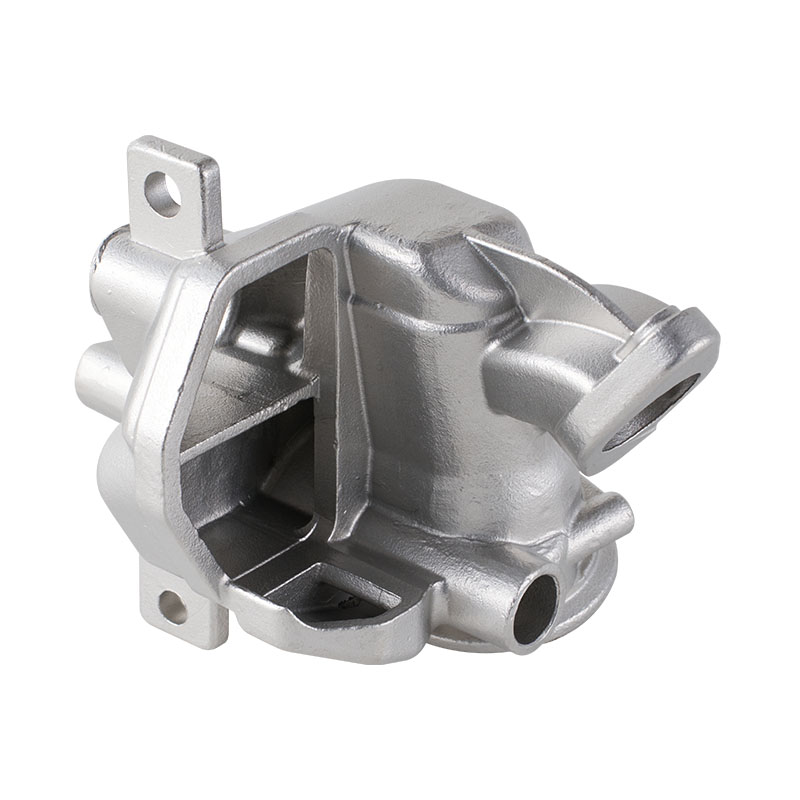
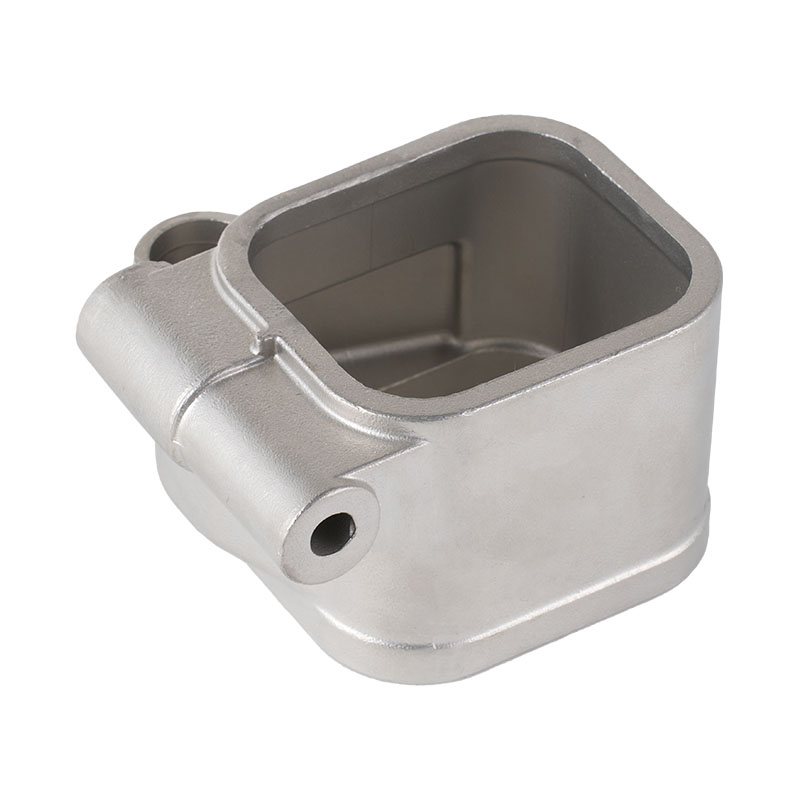
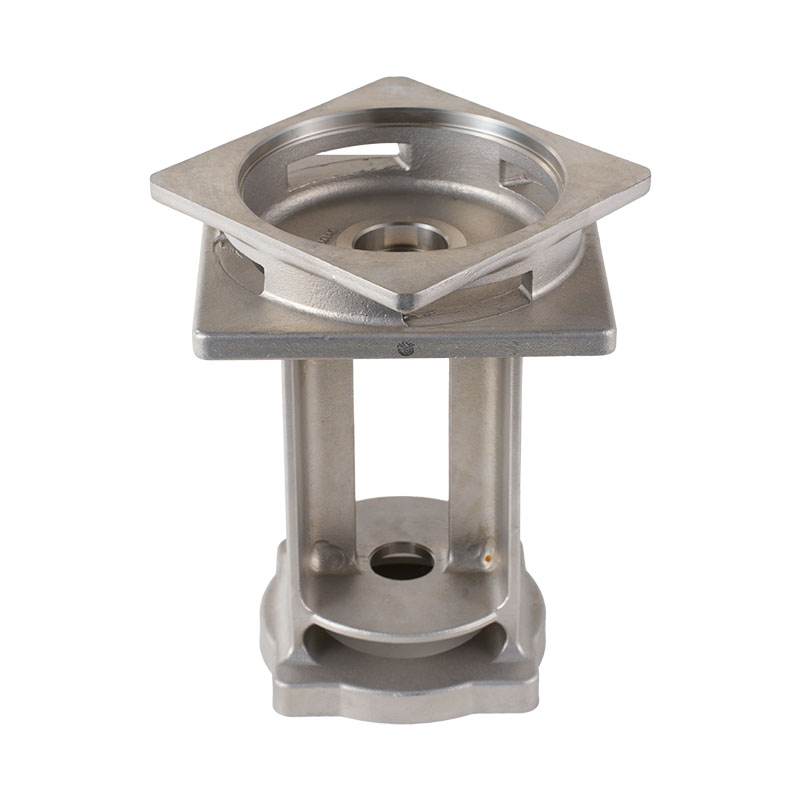
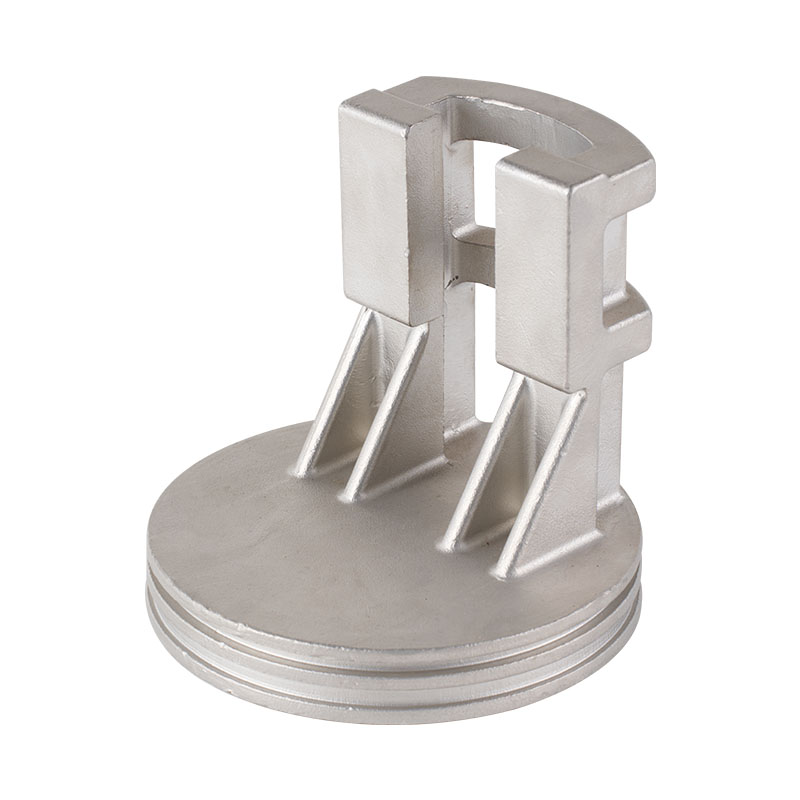
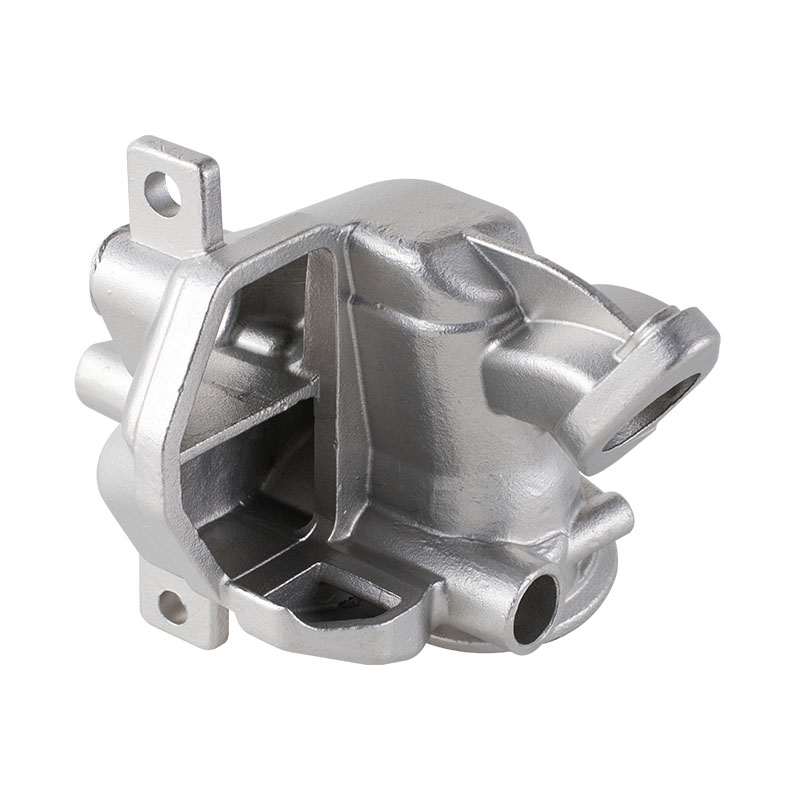
The quality of the butterfly valve casting affects how well the valve withstands chemical processing conditions. Smooth internal surfaces reduce turbulence and prevent the accumulation of residues that can interfere with valve operation. Uniform wall thickness and precise dimensions contribute to consistent sealing and prevent leaks. Material selection during casting, such as stainless steel or ductile iron, can align the valve properties with the chemical composition and operating pressure in different pipeline sections. Careful consideration of these factors helps valves operate steadily and reduces the frequency of maintenance interventions.
Correct installation enhances the practical performance of butterfly valves in chemical plants. Ensuring the valve disc is properly aligned within the pipeline reduces contact with pipe walls, limiting wear and leakage. Accessibility of actuators or manual handles allows operators to monitor and adjust the valves as needed. Using appropriate gaskets, seals, and support structures ensures that the valve maintains its intended operational characteristics even under fluctuating temperatures, pressures, or chemical exposure. Proper installation, combined with quality casting, supports predictable fluid control and manageable maintenance schedules.
Chemical processing pipelines often face challenges such as pressure fluctuations, particulate-laden fluids, temperature variation, and chemical corrosion. Understanding the mechanical and material properties of butterfly valves can help mitigate these challenges. For instance, smooth cast surfaces and accurate disc alignment reduce turbulence and friction. Periodic inspection and maintenance, such as cleaning the disc and seat or verifying actuator performance, maintain consistent valve operation. These practices provide practical, hands-on approaches to managing fluid control systems without relying on complex interventions.
Different chemical processes require tailored solutions for butterfly valve casting. Materials with higher corrosion resistance, coatings to reduce friction, or reinforced bodies for high-pressure sections can extend operational stability. The choice of material and design adjustments should consider the type of chemicals, operating temperature, and expected flow conditions. By aligning casting properties with pipeline requirements, operators can maintain steady fluid flow and reduce interruptions caused by premature wear or material incompatibility.
Routine monitoring is key to ensuring butterfly valves perform as expected in chemical plants. Observing valve cycles, checking seal integrity, and inspecting for wear or corrosion allows operators to identify potential issues early. Maintenance can focus on cleaning, lubricating moving parts, and replacing worn components. Coupled with high-quality casting, these practices help maintain predictable operation, supporting chemical processing systems in delivering consistent flow and safety standards without introducing unnecessary complexity.