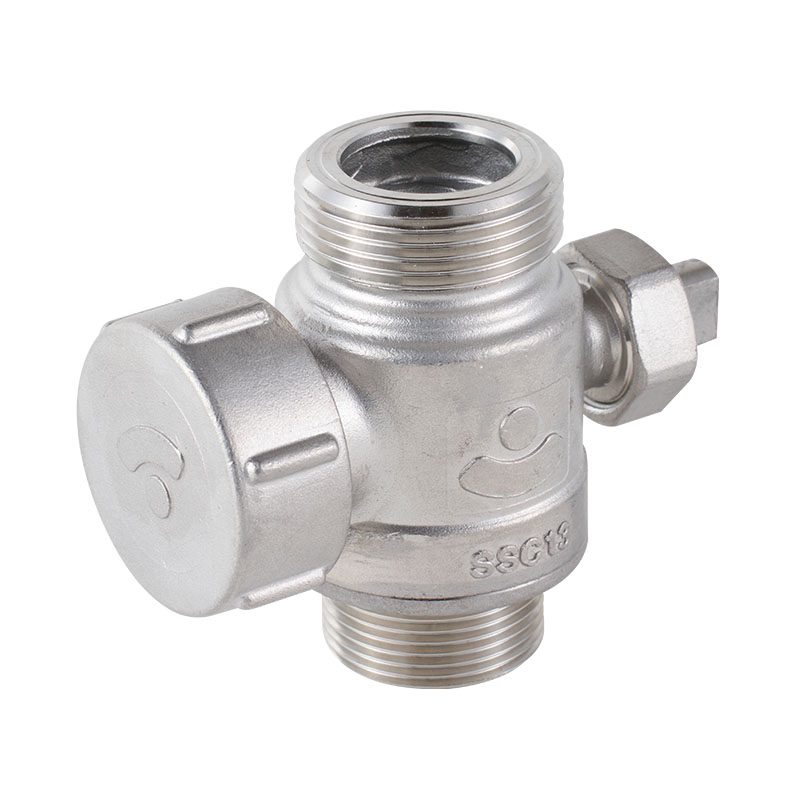
Ensuring consistent quality in fluid control components is critical for maintaining operational stability in pipelines and industrial systems. Butterfly Valve and Butterfly Valve Casting require thorough testing to verify dimensional accuracy, structural integrity, and material properties. Understanding the testing methods applied during production helps engineers and operators identify potential issues before installation, supporting steady performance and manageable maintenance schedules. While butterfly valves appear simple in structure, the casting process introduces variables that must be carefully assessed to maintain practical usability.
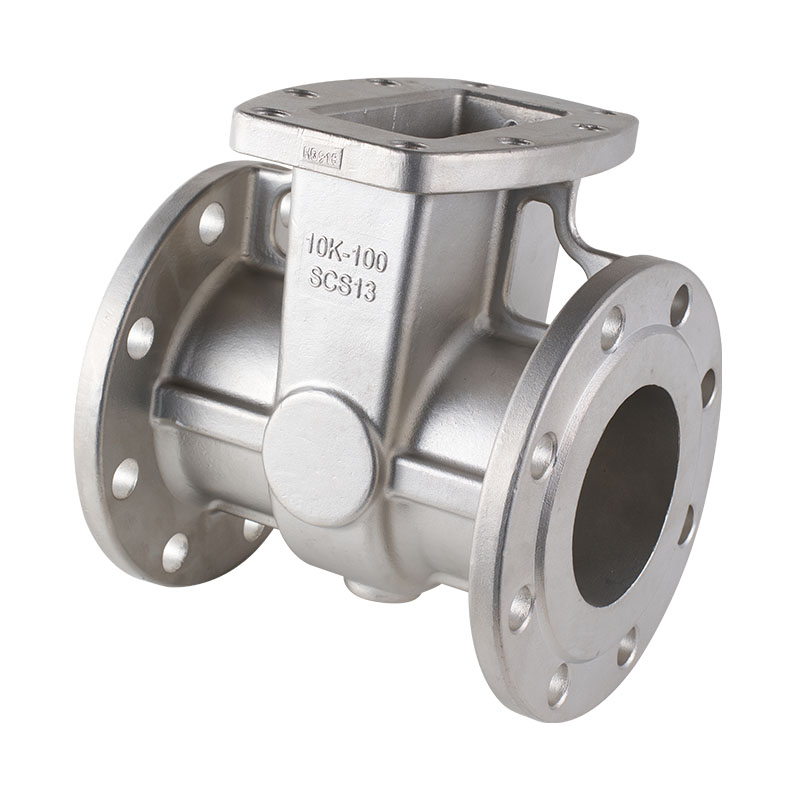
Several testing approaches are commonly employed to confirm that butterfly valve castings meet design and operational standards:
By combining these methods, manufacturers can detect potential weaknesses early, ensuring that the butterfly valve functions as expected under operational conditions.
The quality of butterfly valve casting directly influences operational stability. A casting with consistent wall thickness, smooth internal surfaces, and accurate alignment reduces turbulence and uneven wear during fluid flow. Material choice and casting precision are particularly important in systems that handle chemicals, high pressures, or abrasive fluids. Consistently tested castings provide predictable mechanical behavior, which reduces the likelihood of unplanned maintenance or operational interruptions.
Even with thorough testing, proper installation affects how well a butterfly valve performs. Ensuring correct alignment of the disc within the pipeline prevents contact with the pipe walls, reducing wear and leakage. Access to actuators or manual handles facilitates adjustments and inspection. Proper gaskets and sealing arrangements further support valve function under variable pressures and fluid conditions. Attention to these installation details allows tested castings to maintain their intended operational characteristics.
Water treatment, chemical, and industrial pipelines often present challenges such as pressure fluctuations, debris accumulation, or temperature variations. Testing butterfly valve castings for structural and dimensional accuracy helps mitigate these issues by identifying potential weaknesses before the valve is put into service. Smooth surfaces, proper disc alignment, and verified material properties reduce turbulence, prevent sticking, and allow valves to handle changing operating conditions without unexpected complications.
Routine monitoring complements testing to maintain operational stability. Observing valve cycles, inspecting seal integrity, and checking the body for wear or corrosion provide insights into ongoing performance. Maintenance practices may include cleaning, lubricating moving parts, and replacing worn components. By combining regular monitoring with tested casting quality, operators can manage valves efficiently while avoiding unnecessary interventions or extended downtime.
Material selection and casting design influence testing outcomes and operational reliability. Castings must balance strength, corrosion resistance, and compatibility with the fluid in the system. Adjustments in casting design, such as reinforced sections or coatings, can help valves withstand conditions like high temperature or abrasive liquids. Understanding these factors ensures that tested butterfly valves maintain consistent performance in practical applications, supporting steady fluid control and manageable maintenance schedules.
Using structured testing methods, carefully considered materials, and proper installation techniques, butterfly valves can maintain predictable and manageable performance in a variety of pipeline environments. These practices help operators detect issues early, maintain stable flow, and manage maintenance effectively, ensuring that the valves perform as expected across different operational scenarios.