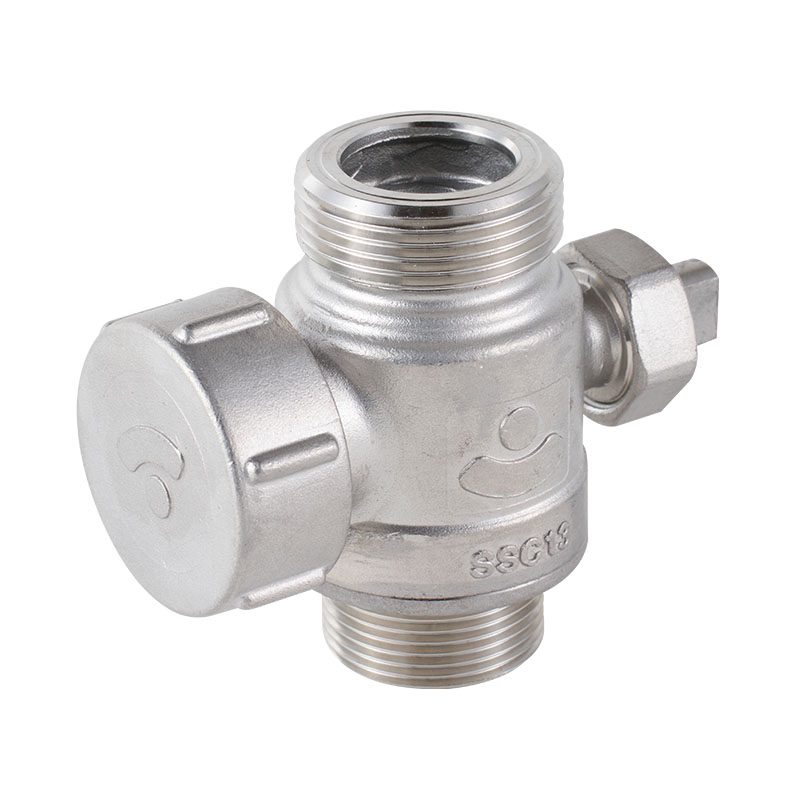
Water treatment systems rely on components that manage fluid flow effectively under varying pressures and chemical conditions. Butterfly Valve and Butterfly Valve Casting are commonly used in these systems to regulate water movement and isolate sections of the pipeline. These valves are simple in concept, yet their design and material properties play a significant role in overall system behavior.
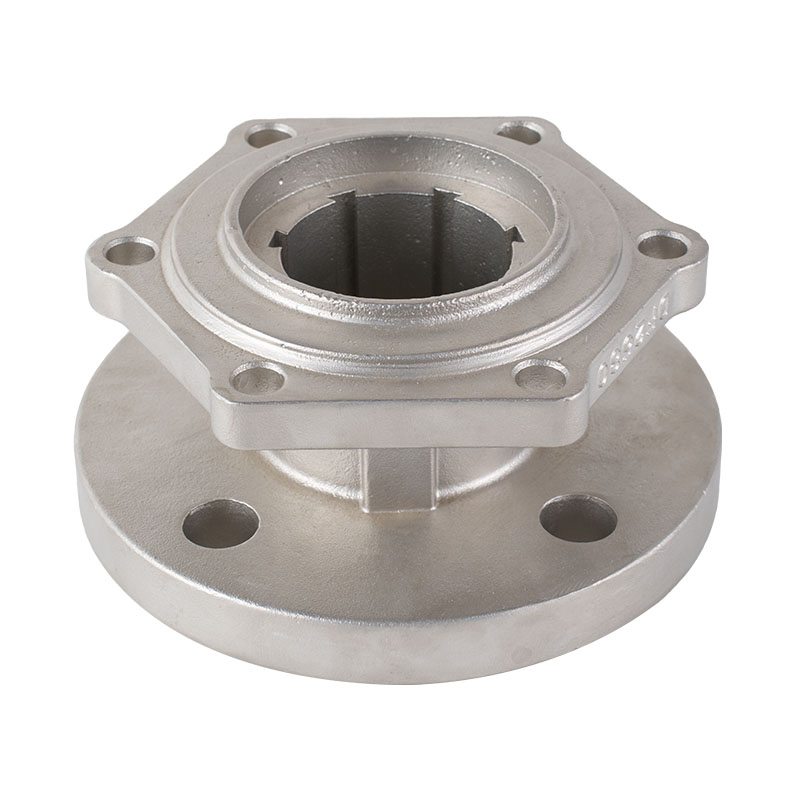
The process used to cast butterfly valves affects both their structural integrity and dimensional accuracy. A well-executed Butterfly Valve Casting ensures uniform wall thickness, smooth internal surfaces, and precise disc alignment. These aspects reduce flow disturbances and prevent uneven wear on the sealing surfaces. Material selection during casting also matters; options such as stainless steel, ductile iron, or bronze are chosen based on water chemistry, pressure, and temperature. Properly cast valves maintain consistent mechanical characteristics, which contribute to predictable control and reduce the need for frequent adjustments or unexpected repairs.
Several operational aspects influence how butterfly valves perform in water treatment facilities:
Addressing these factors during system design and valve selection helps maintain stable flow control without complicating maintenance routines.
Correct installation of butterfly valves plays a practical role in maintaining operational stability. Aligning the valve disc with the pipeline ensures the disc does not contact pipe walls, reducing the risk of wear and leakage. Accessibility of actuators or manual handles facilitates adjustments and inspections. Proper gaskets and sealing arrangements further prevent leakage while keeping the valve functional under varying water pressures.
The performance of butterfly valves depends on the interaction between material properties and environmental conditions. For example, stainless steel provides resistance to corrosion from chemicals commonly used in water treatment, while ductile iron offers structural strength for moderate-pressure systems. Coatings or lining materials can also help reduce friction and protect against abrasion caused by particulates. Understanding the operating environment allows engineers to choose valve materials and casting techniques that sustain performance under realistic water treatment conditions.
Routine monitoring of butterfly valves helps detect irregularities early. This may include observing opening and closing cycles, checking for seal degradation, and inspecting the valve body for signs of wear or corrosion. Maintenance actions can focus on cleaning the disc and seat, lubricating moving parts, and replacing components as needed. These practices support consistent operation and reduce unplanned downtime without introducing overly complex maintenance procedures.
Water treatment pipelines often experience variations in flow demand, seasonal temperature shifts, and chemical exposure. Operators can make practical adjustments to butterfly valves by monitoring actuator settings, ensuring disc alignment, and scheduling inspections based on observed operating conditions. Adjustments and preventive checks, rather than reactive replacements, help maintain operational stability and reduce interruptions in the treatment process.