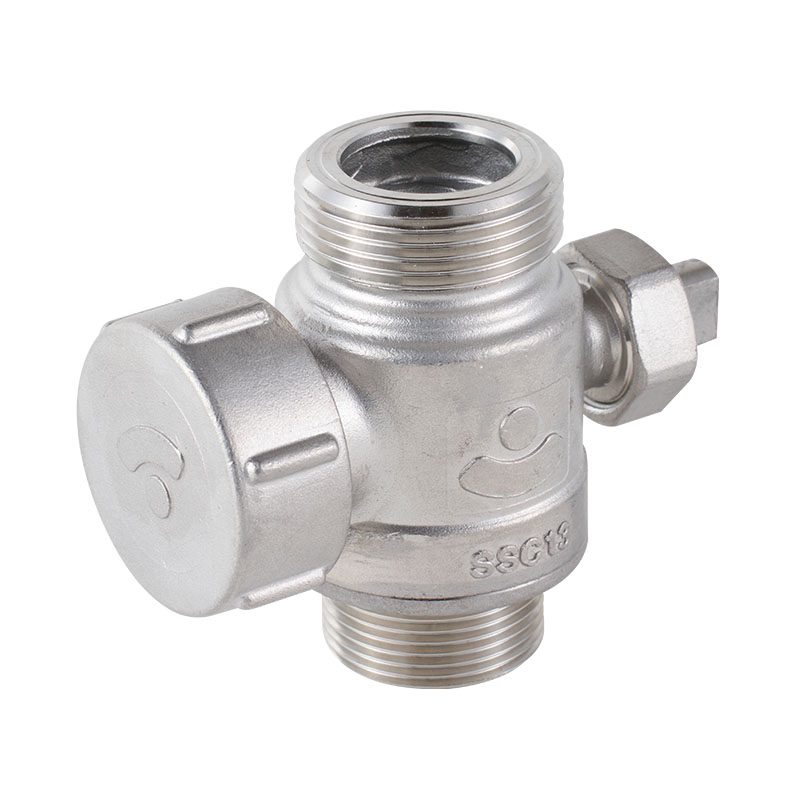
Managing fluid flow in renewable energy pipelines involves dealing with varying pressures, temperatures, and chemical compositions. Butterfly Valve and Butterfly Valve Casting play a significant role in these systems by providing consistent and manageable flow control. While they may appear simple, understanding how their casting and design affect performance can help engineers and operators make informed decisions for pipeline maintenance, operational efficiency, and long-term management.
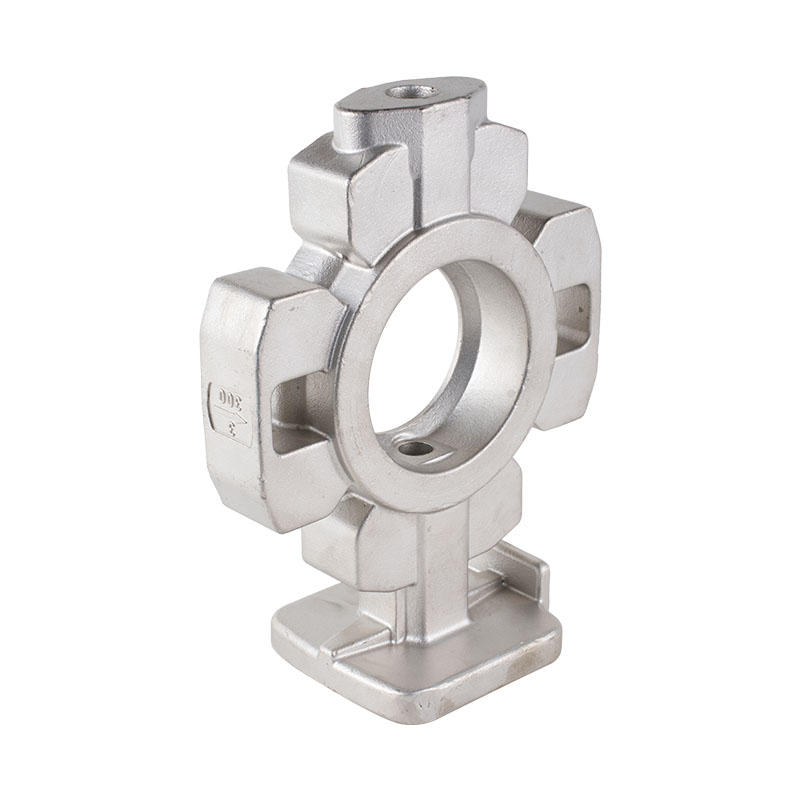
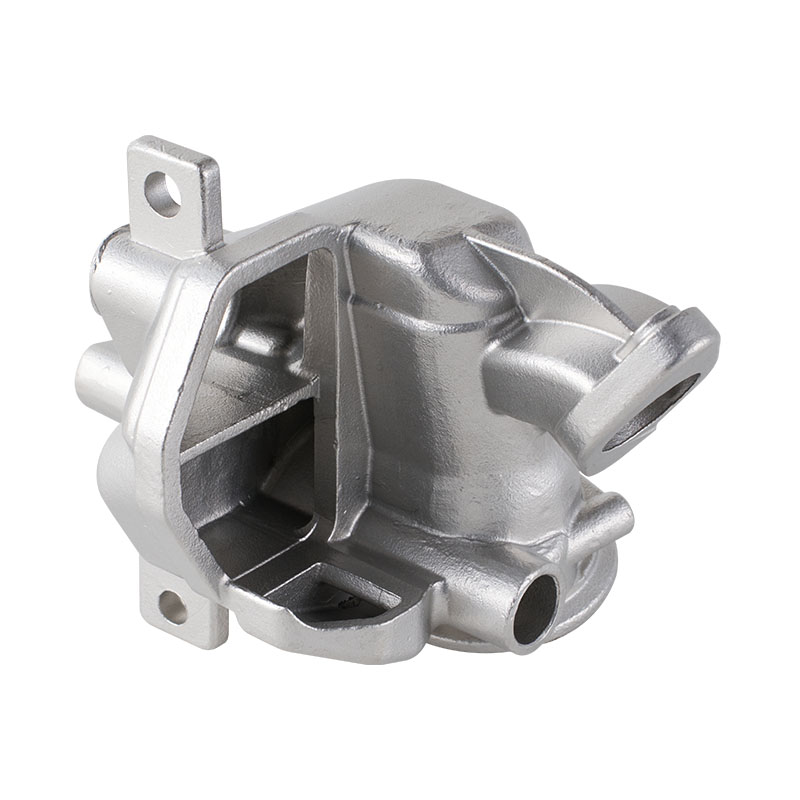
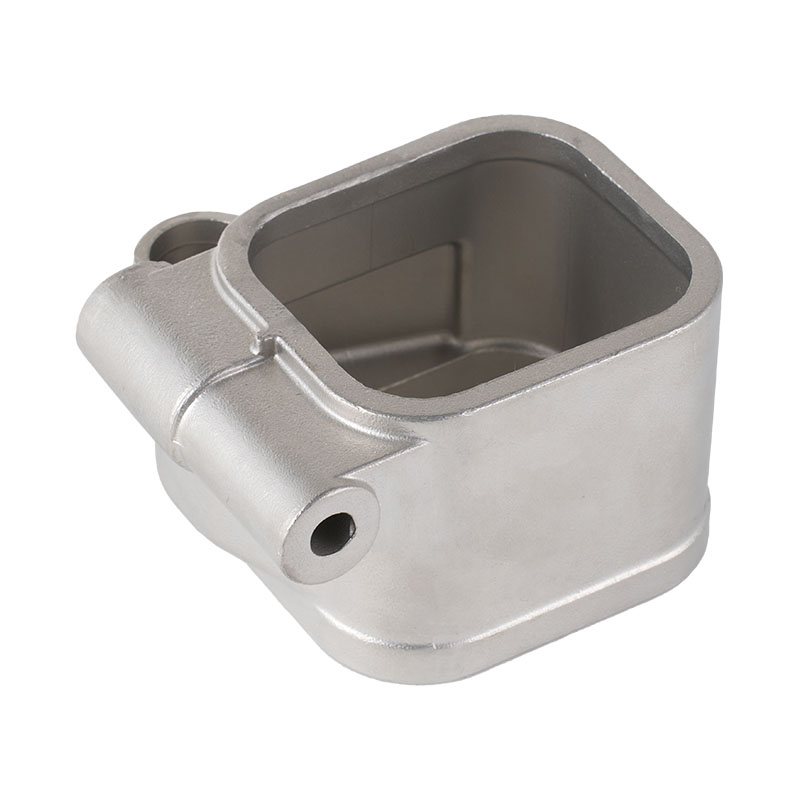
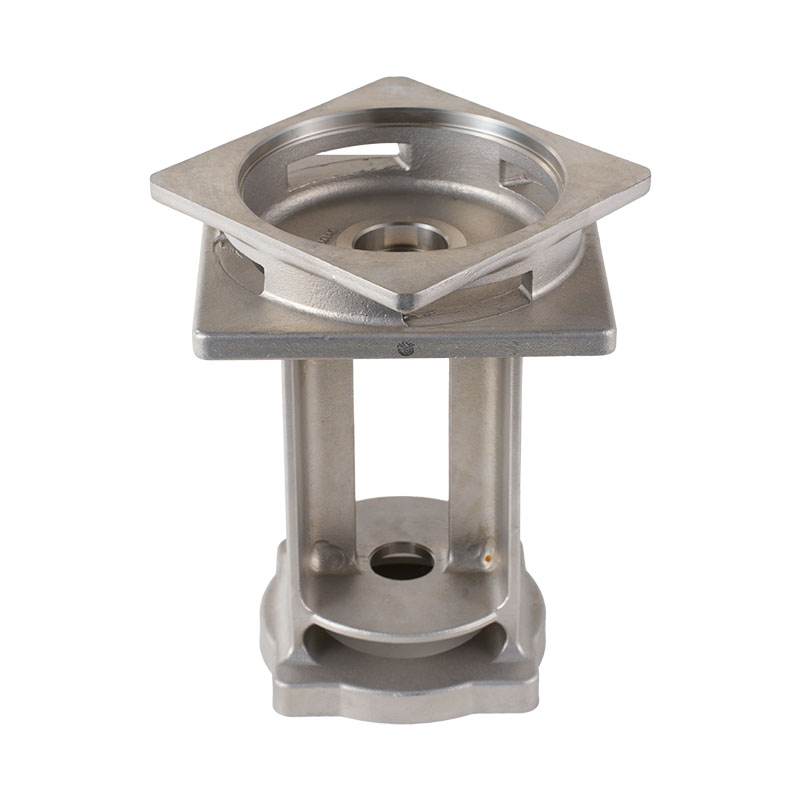
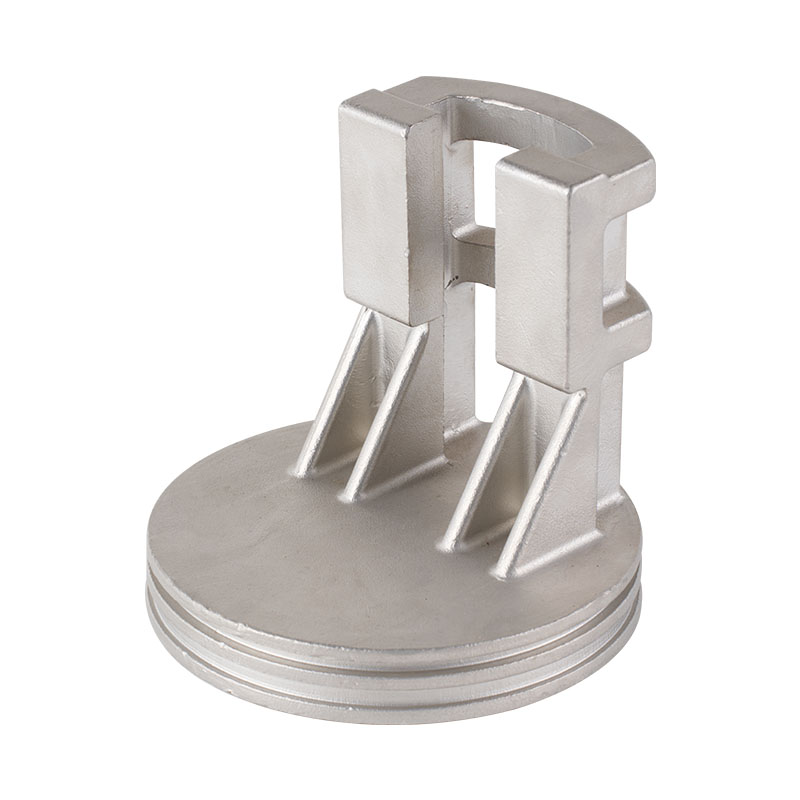
Butterfly valve casting involves forming the valve body through controlled metal casting processes, which ensures uniform dimensions and structural stability. This uniformity helps maintain predictable fluid flow across renewable energy pipelines, where small deviations can affect downstream equipment and energy conversion systems. Casting also allows the selection of appropriate materials for specific conditions, such as stainless steel for corrosive fluids or ductile iron for moderate pressures. By carefully matching casting material to pipeline conditions, operators can reduce unexpected wear and maintain a steady operation without introducing complex maintenance routines.
Butterfly valves are often selected for renewable energy pipelines due to several practical characteristics:
These aspects focus on practical benefits rather than promotional attributes, helping operators understand the operational advantages of butterfly valves.
Renewable energy systems such as hydropower, biomass, and solar-thermal networks often present unique challenges. Abrasive fluids, temperature variations, and fluctuating flow rates demand valves that maintain consistent control under varying conditions. Modifications to the butterfly valve casting, such as reinforced body sections or specialized coatings, can help the valve withstand these conditions without frequent replacement. Understanding these design options allows operators to select valves suited to their specific energy system needs, improving stability and predictability in fluid management.
Proper installation of butterfly valves is essential for reliable operation. Misalignment or incorrect positioning can cause leakage, uneven wear, or interference with actuators. Ensuring that the valve disc does not contact pipe walls and that handles or actuators are accessible simplifies operation and inspection. Correct alignment also helps maintain uniform flow characteristics, which is particularly important for renewable energy pipelines where consistent delivery affects overall system performance.
Operators may encounter issues such as pressure drops, turbulence, or valve sticking. Understanding how butterfly valve casting affects internal surfaces can reduce these challenges. Smooth surfaces and accurate dimensions achieved through casting decrease flow turbulence and allow the valve disc to move freely. Routine inspections to verify seal integrity and disc condition also help sustain steady operation. Practical monitoring of valve performance supports early detection of potential issues and helps maintain a stable fluid flow without complex interventions.
Choosing the right casting material is central to extending valve service life. Materials such as stainless steel, ductile iron, and bronze offer different balances of strength, corrosion resistance, and compatibility with renewable energy fluids. Selecting the material based on operating temperature, chemical exposure, and pressure conditions ensures that valves can operate consistently. Material choice also affects maintenance scheduling and reduces the likelihood of unexpected failures in critical pipeline segments.
Regular monitoring of butterfly valves supports predictable pipeline operation. Checks may include observing the opening and closing cycles, examining sealing surfaces, and inspecting the valve body for wear or corrosion. Maintenance activities can focus on cleaning moving parts, lubricating actuators, and replacing worn components. This practical approach allows the valves to function steadily and reduces the likelihood of interruptions in energy production or fluid delivery.