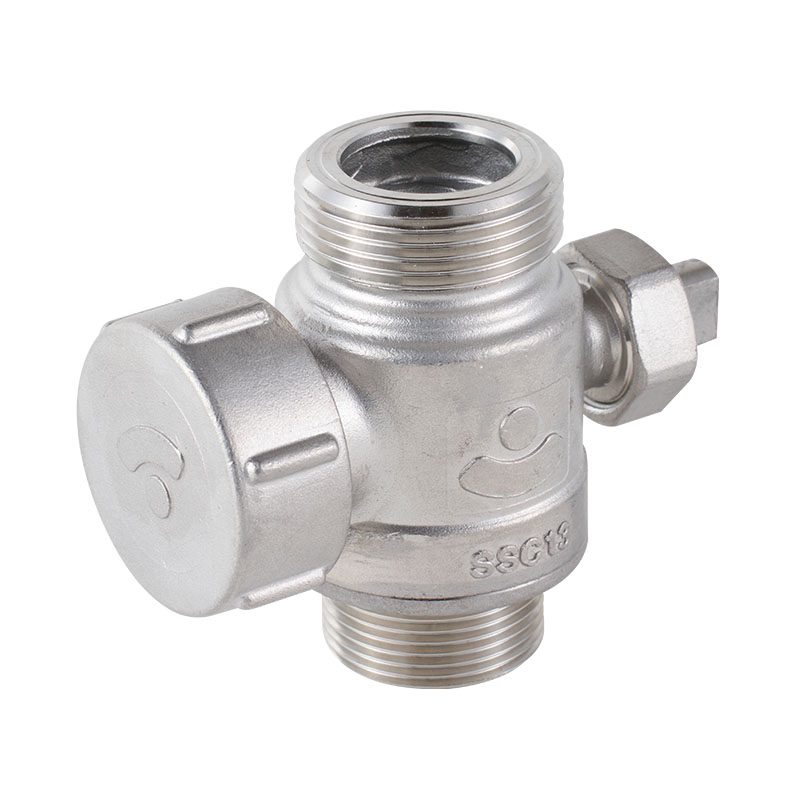
Efficient management of fluid flow in industrial systems requires components that can handle varying pressures and operating conditions. Butterfly Valve and Butterfly Valve Casting play a significant role in these systems by offering practical solutions for controlling liquids and gases. While their function may seem straightforward, understanding how the casting process and valve design affect performance can help operators make informed decisions for system maintenance and upgrades.
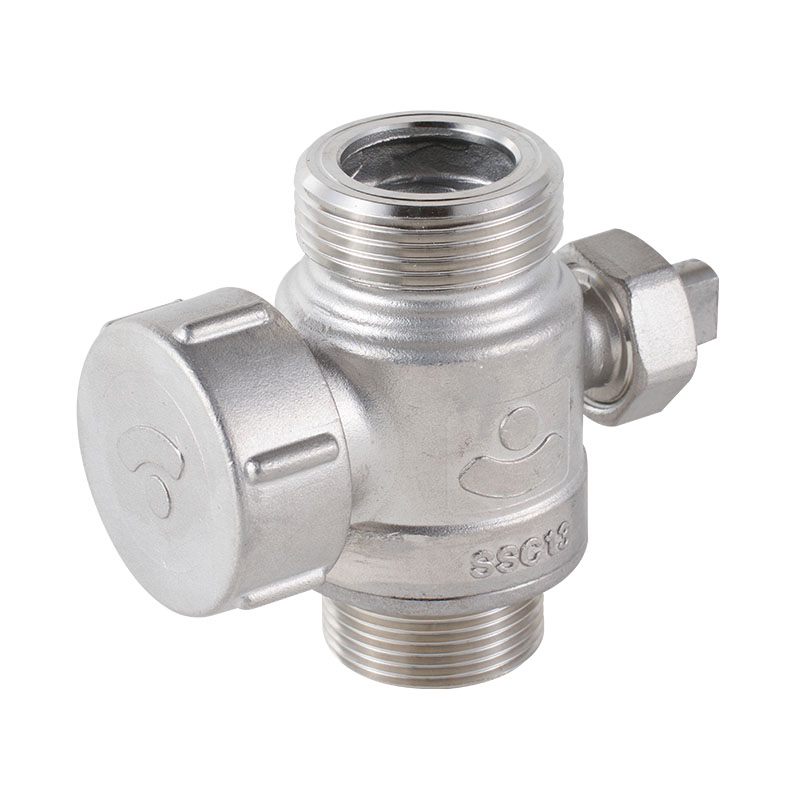
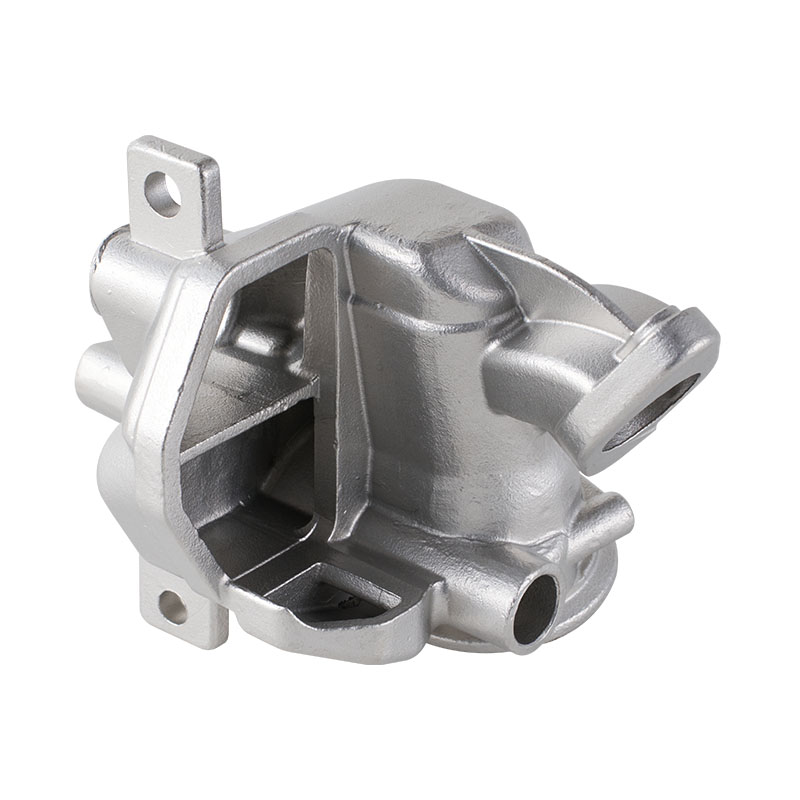
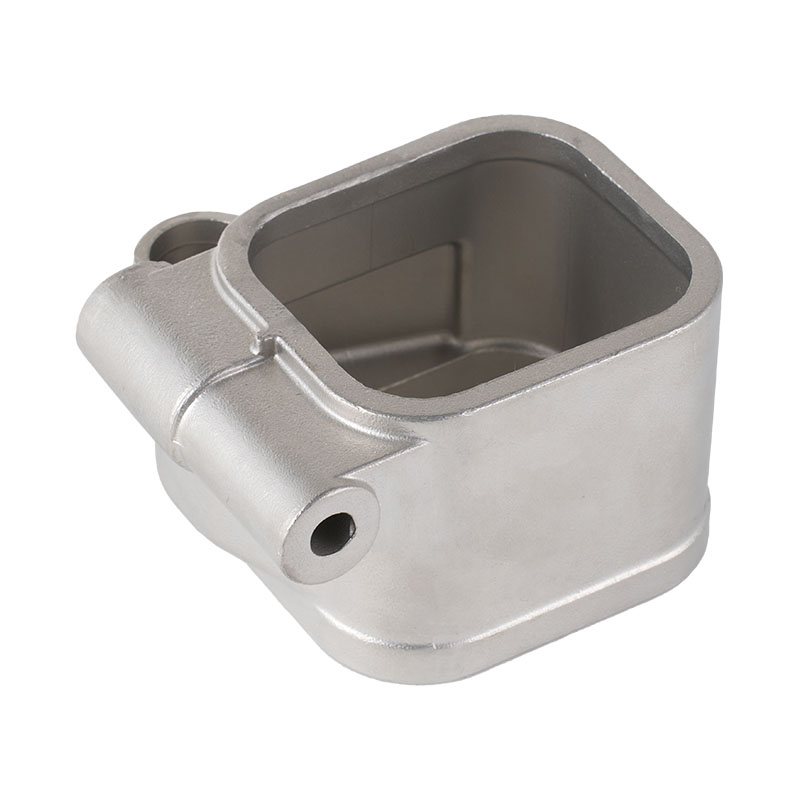
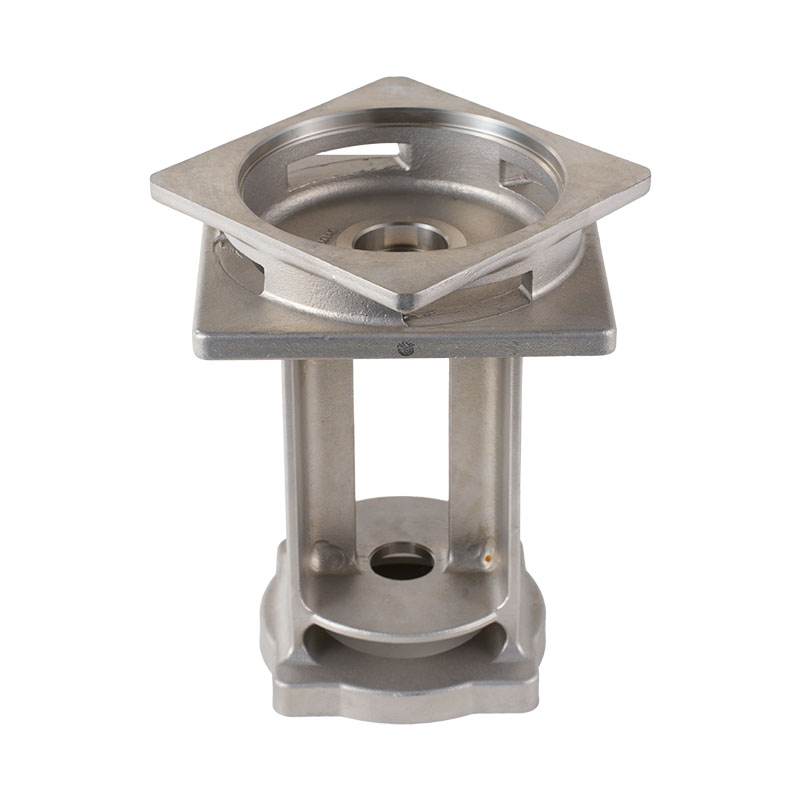
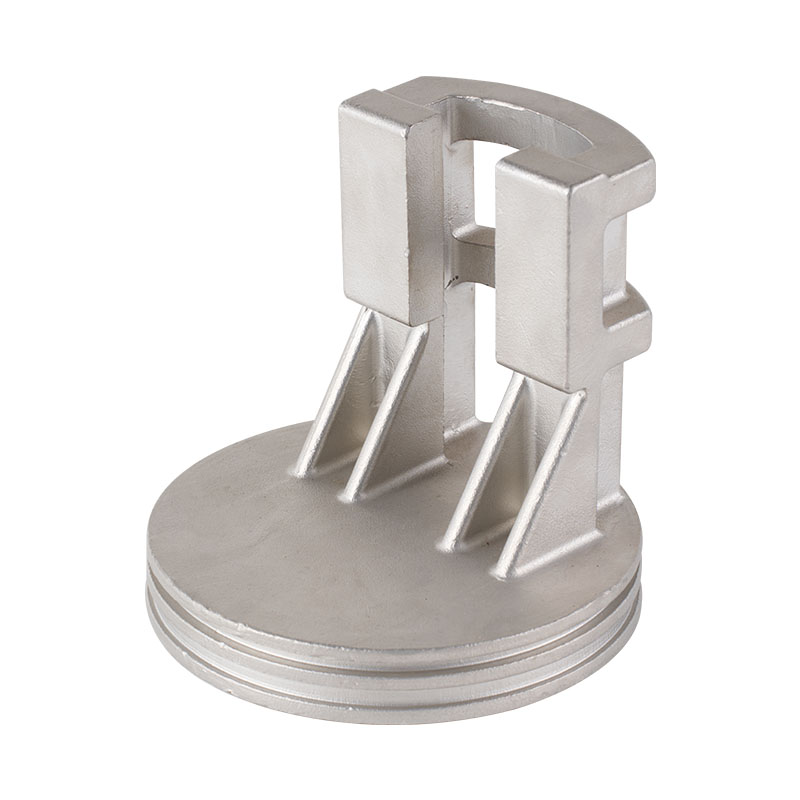
Butterfly valve casting involves forming the valve body using metal casting techniques, which allows for a consistent shape and precise dimensions. This consistency is crucial for maintaining stable flow control, especially in pipelines where pressure fluctuations occur. The casting process also enables the use of materials suited to specific industrial conditions, such as high temperature, chemical exposure, or abrasive liquids. By selecting the appropriate casting material, engineers can align valve characteristics with system requirements, supporting durability and long-term functionality without overcomplicating maintenance needs.
Butterfly valves are valued in industrial environments for several practical reasons:
These points highlight the practical impact of using butterfly valves in daily operations, rather than focusing on promotional attributes.
The casting material used in butterfly valves directly affects how well the valve can handle different industrial scenarios. Common options include cast iron, ductile iron, stainless steel, and bronze. Each material provides a balance of strength, corrosion resistance, and cost efficiency. For example, ductile iron offers sufficient strength for moderate pressures, while stainless steel is often selected for corrosive environments. Choosing the right casting material ensures that the valve performs consistently without introducing unnecessary maintenance challenges.
Correct installation of butterfly valves can prevent issues such as leakage, misalignment, or uneven wear. It is important to ensure that the valve disc does not contact the pipe walls and that the actuator or manual handle is accessible for adjustments. Proper alignment also ensures that flow characteristics remain predictable, which is especially important in systems where precise fluid control is necessary for downstream equipment or chemical reactions.
Operators frequently encounter challenges such as flow turbulence, pressure drops, and valve sticking. Understanding the mechanics of butterfly valve casting can help mitigate these issues. The casting process allows for smooth surfaces and consistent dimensions, which reduce turbulence and promote uniform flow. Regular inspection of the valve disc and sealing surfaces can also prevent sticking, ensuring that fluid control remains steady over time.
Certain industries require butterfly valves that handle unusual conditions, such as abrasive slurries, high temperatures, or aggressive chemicals. Modifications in the casting design, such as reinforced valve bodies or specialized coatings, can help the valve tolerate these conditions without frequent replacement.
Monitoring fluid control systems equipped with butterfly valves can identify irregularities before they escalate into major issues. Routine checks may include observing valve operation cycles, verifying seal integrity, and examining the valve body for wear. Maintenance should focus on cleaning, lubricating moving parts, and replacing worn components. These practices ensure that valves continue to provide consistent performance without introducing unnecessary operational complexity.
In industrial fluid systems, the combination of thoughtfully cast valve bodies and appropriate installation practices supports effective management of flow. Butterfly valves, through careful material selection and routine maintenance, contribute to operational efficiency and predictable system behavior, assisting engineers and operators in maintaining steady fluid control across a wide range of applications.