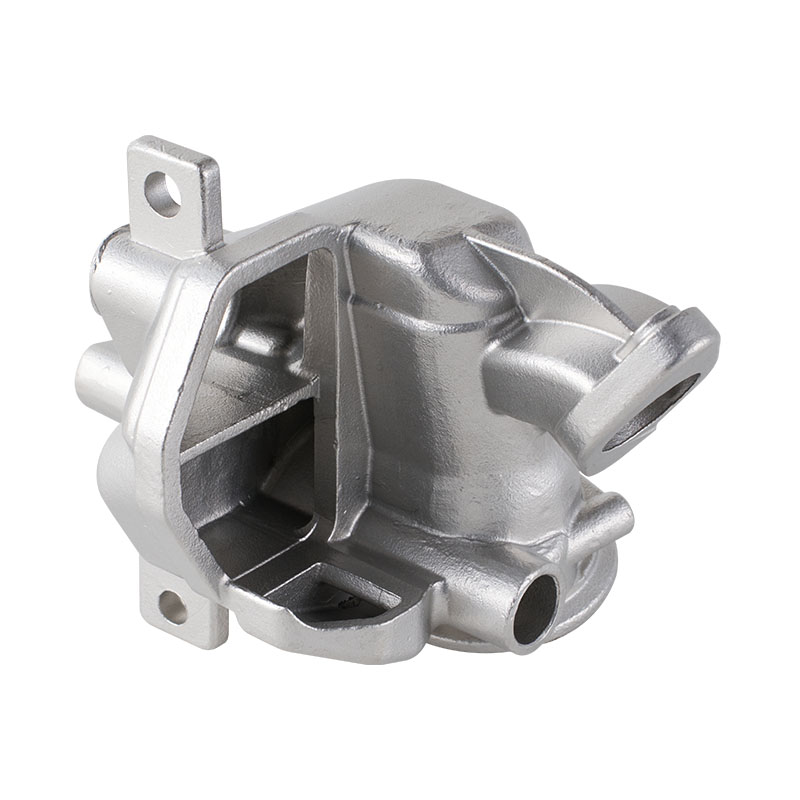
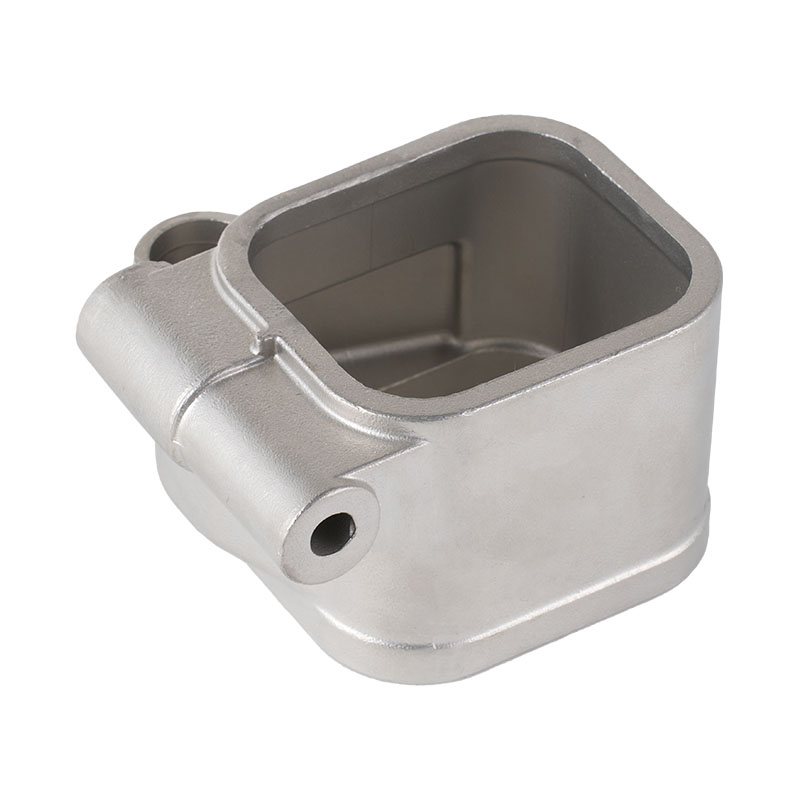
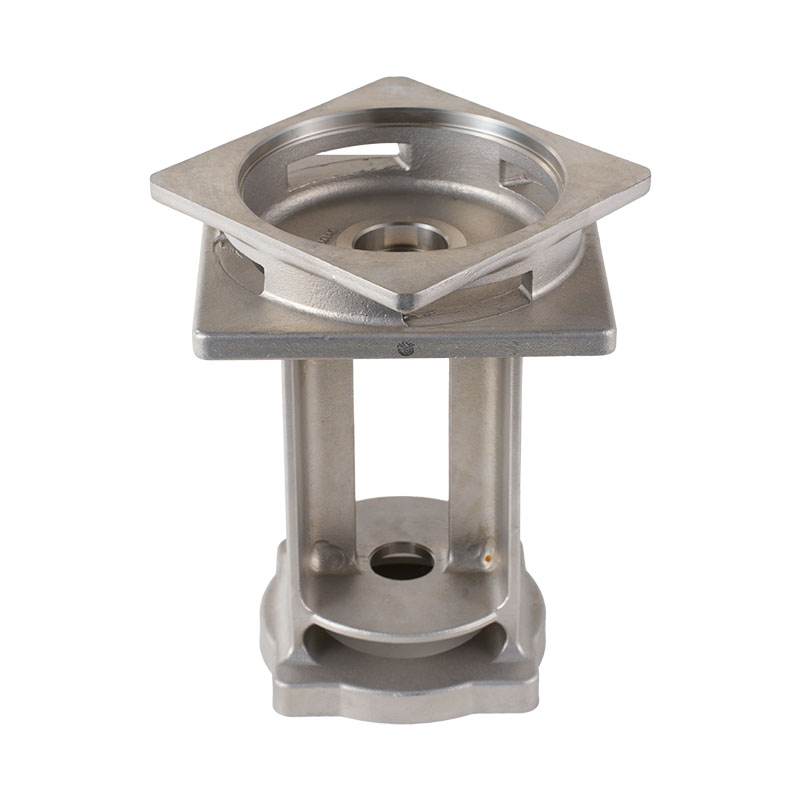
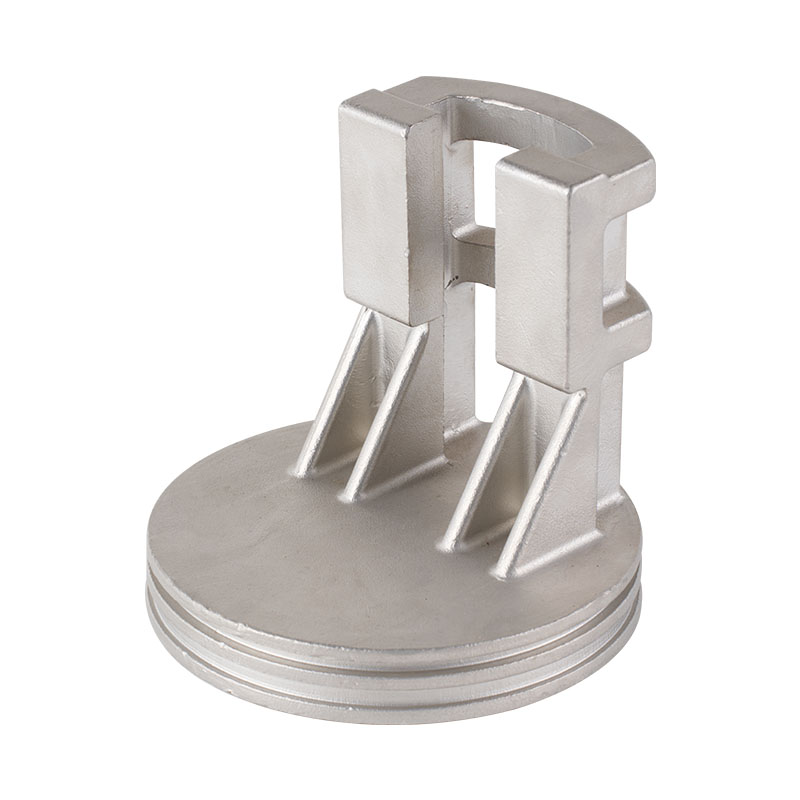
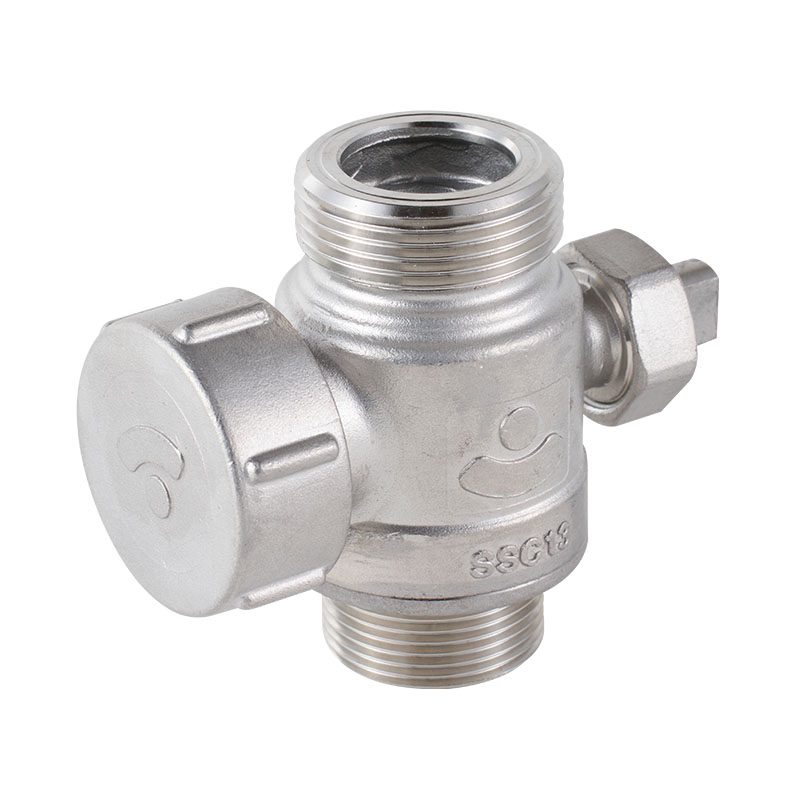
Marine Valve Casting is widely applied in shipboard systems, including ballast management, fuel handling, cooling circuits, and auxiliary fluid networks. Shipboard conditions pose unique challenges, including saltwater exposure, vibration, temperature variation, and prolonged operation at sea. Valve castings are engineered to maintain consistent operation under these demanding conditions, supporting vessels that may remain at sea for 30 to 180 consecutive days without shore-based maintenance.
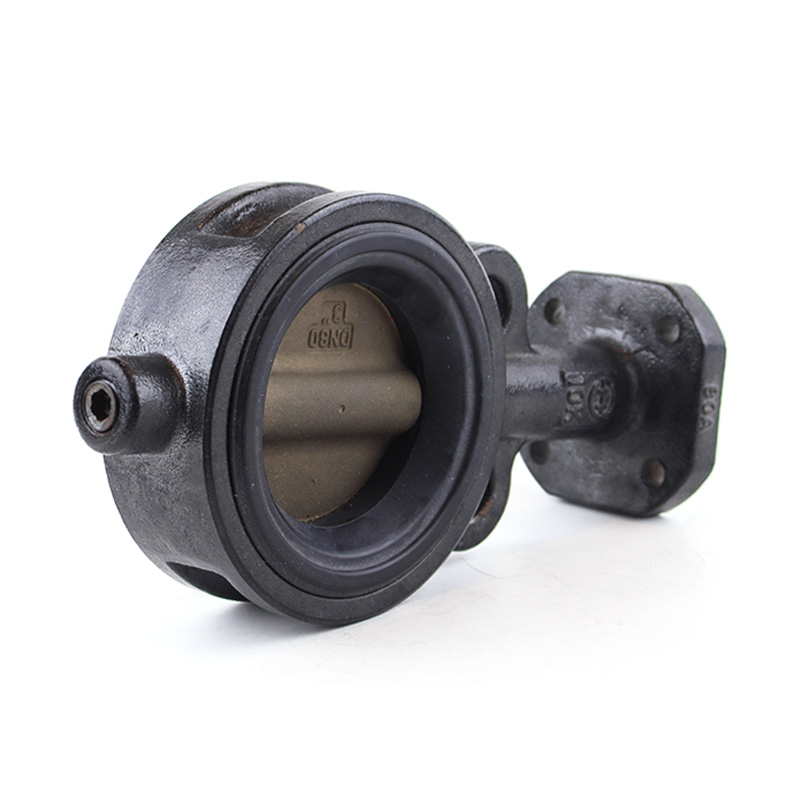
Corrosion resistance is critical in marine environments. Continuous exposure to seawater can accelerate surface degradation, with salt concentrations ranging from 3% to 3.5% in typical ocean conditions. Marine valve castings frequently use bronze alloys, duplex stainless steels, or coated cast iron to enhance durability.
Important design considerations include:
Mechanical durability is essential due to continuous ship movement. Reinforced wall thickness and consistent casting quality help distribute mechanical stress and prevent fatigue. Valves exceeding 500 mm in diameter and handling flow rates up to 1,200 m³ per hour are commonly deployed in large vessels. Uniform material properties allow predictable wear patterns, reducing the need for frequent adjustments and enabling routine maintenance planning.
Marine vessels often operate under variable load conditions and uneven weight distribution, which can create fluctuating stresses on piping networks. Predictable valve behavior allows crews to rely on scheduled inspections rather than corrective actions during voyages. Stable castings support safe ballast operations, fuel distribution, cooling, and auxiliary fluid management even under rough sea conditions or sudden load changes.
Temperature variations also influence marine valve operation. Valves may encounter cold seawater while connected to heated internal systems, creating a thermal differential exceeding 80°C in certain circuits. Appropriate alloy selection, heat treatment, and controlled casting processes ensure castings can tolerate these variations without structural compromise or leakage.
Marine valve castings are typically verified through:
These quality checks provide confidence in reliable operation under both routine and contingency scenarios. Durable valves contribute to operational efficiency, vessel safety, and simplified maintenance planning. Marine valve castings are often integrated with automated monitoring systems that track flow rates, valve positions, and pressure, supporting predictive maintenance and early detection of anomalies.
In conclusion, Marine Valve Casting supports shipboard fluid networks by addressing corrosion, mechanical stress, and environmental variability. Through careful material selection, controlled manufacturing, inspection practices, and consideration of flow rates, pressures, and thermal conditions, Marine Valve Casting enables stable and predictable operation across diverse marine systems.
FAQs
Which materials are used in marine valve casting?
Bronze alloys, duplex stainless steel, and coated cast iron are commonly applied.
Why is corrosion resistance important?
Saltwater exposure affects long-term structural integrity and operational safety.
Do marine valve castings support routine maintenance?
Yes, durable castings align with scheduled inspections and operational continuity.
What is the typical pressure tolerance for marine valves?
Marine valve castings are generally designed to handle pressures up to 25 bar in onboard fluid networks.
Can marine valves handle large flow rates?
Yes, they can manage flow rates up to 1,200 m³ per hour, depending on system design.
Are marine valve castings suitable for extended sea operations?
Yes, valves maintain performance for ships operating continuously for 30–180 days.
Do temperature variations affect valve performance?
Properly designed castings tolerate thermal differentials exceeding 80°C between seawater and heated internal circuits.
Are marine valve castings compatible with automated systems?
Yes, they can be integrated with mo