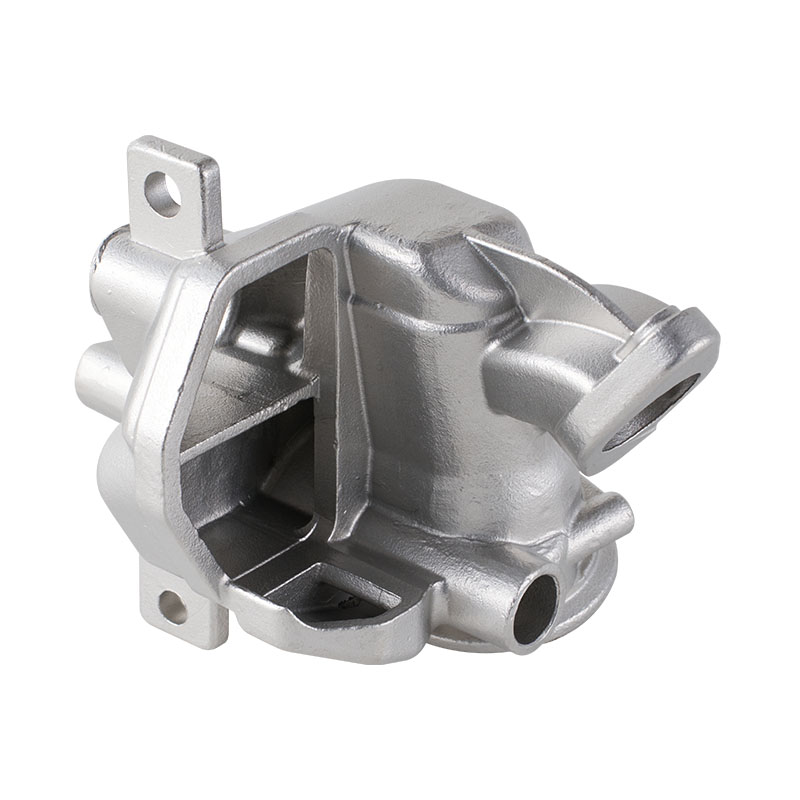
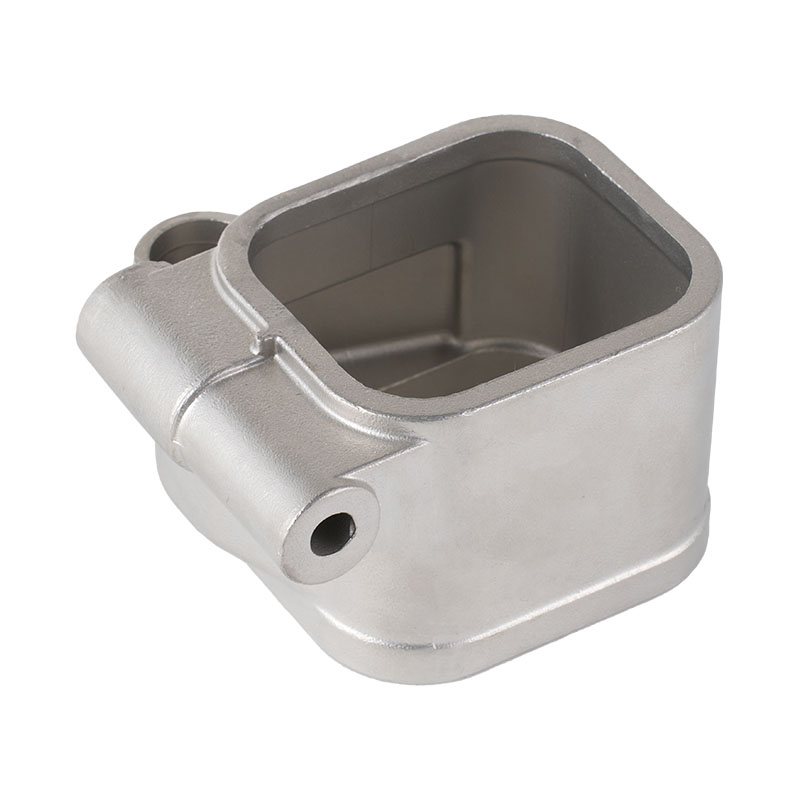
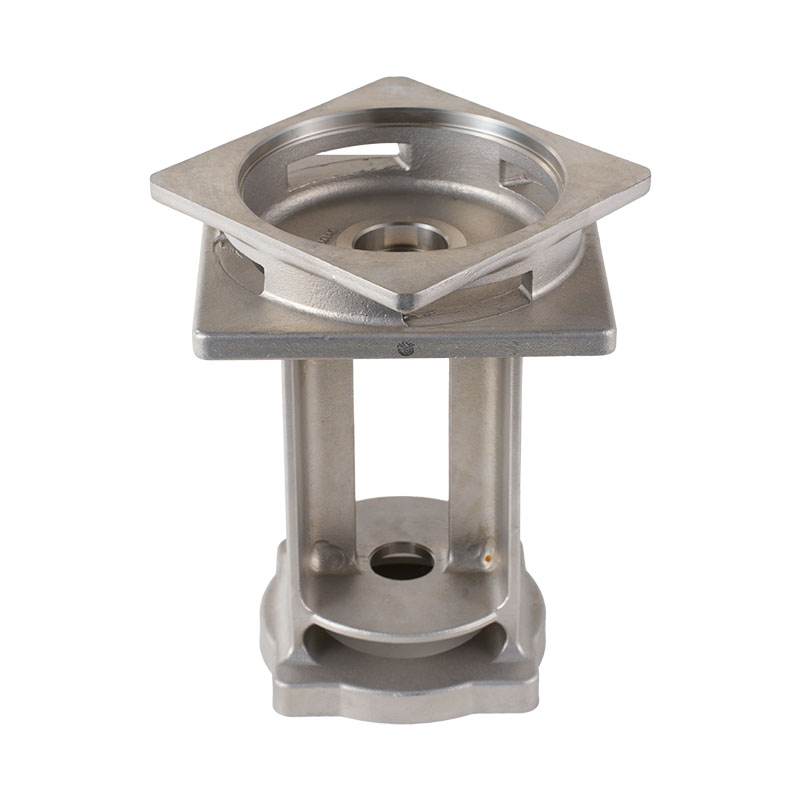
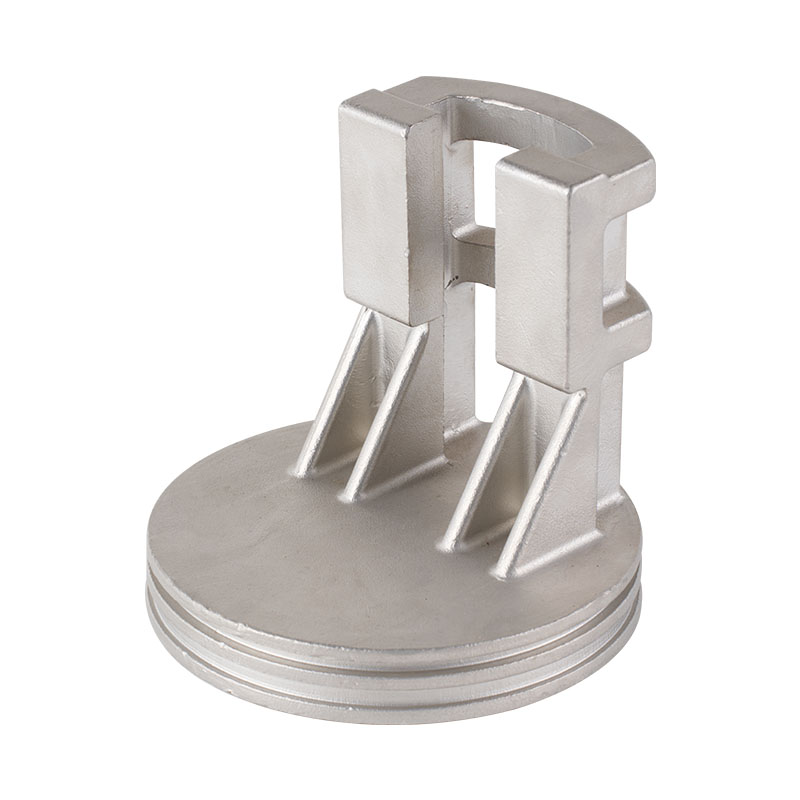
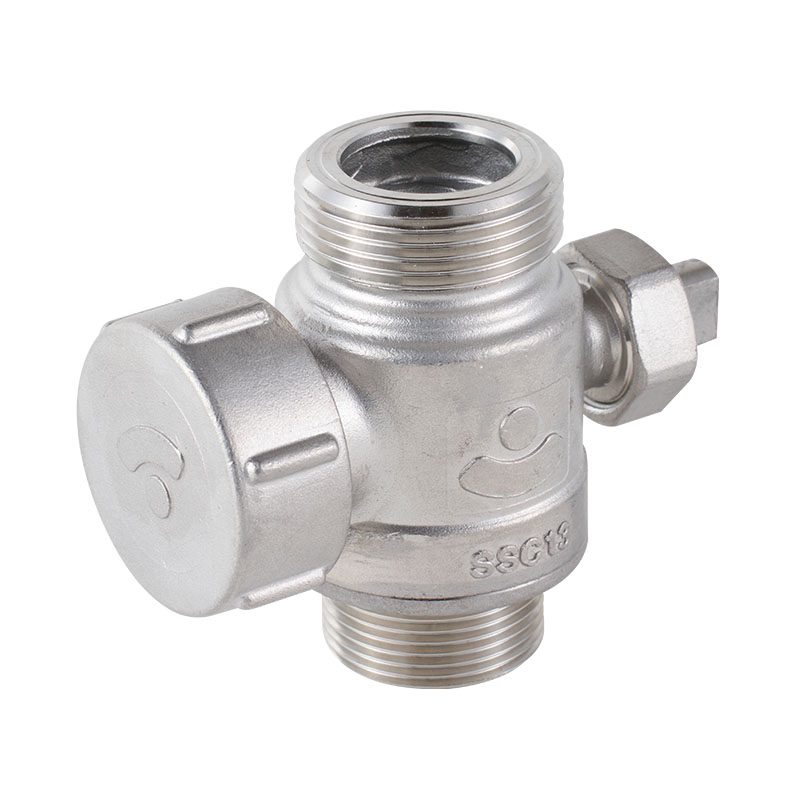
Cryogenic Valve Casting is essential in facilities that handle liquefied gases, industrial gases, and other low-temperature fluids. In such applications, material behavior changes significantly due to thermal contraction and reduced ductility. Valve castings are engineered to maintain stability, sealing performance, and mechanical integrity under extreme cold conditions, often below -160°C. In large-scale operations, valves may operate under repeated temperature cycles over 1,000 times per year, highlighting the importance of predictable mechanical performance.
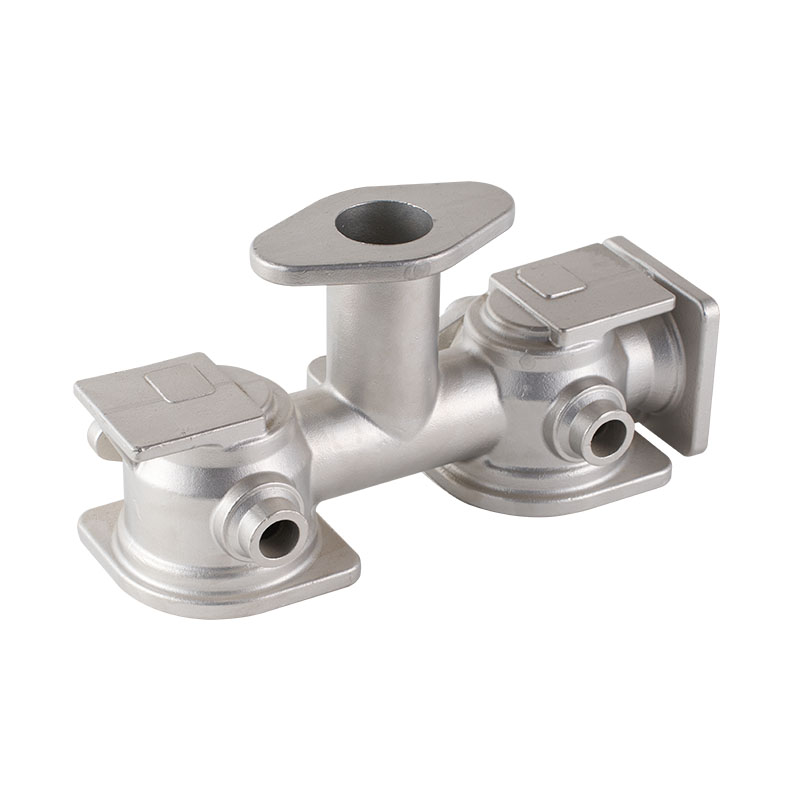
Low-temperature toughness is a central consideration. Materials performing well at ambient temperatures may experience a 50–70% reduction in impact resistance when exposed to cryogenic conditions. Austenitic stainless steels and nickel-based alloys are frequently used for their ability to retain ductility and toughness under extreme cold. Test results indicate these materials sustain consistent mechanical performance under repeated thermal cycles of -196°C to 25°C, which is critical for applications like LNG storage and industrial gas transport.
Design considerations for Cryogenic Valve Casting include:
Cryogenic systems often experience temperature transitions during startup, shutdown, or integration with ambient-temperature processes. Castings designed for controlled thermal behavior maintain predictable performance, preventing distortion and supporting smooth operational transitions. Uniform wall thickness and controlled solidification improve stability under thermal cycling that can reach 1,500 cycles over a decade in industrial facilities.
Leak prevention is particularly important. Even a small leak in a cryogenic system can produce rapid gas expansion at rates exceeding 100 m³ per minute, which could affect pressure balance. Valve designs may incorporate extended bonnets, reinforced seating, and isolated critical components to maintain stable operation. Predictable performance reduces the need for frequent intervention and supports safe facility operation.
Cryogenic valve castings are often part of larger integrated systems where precise flow control is critical for maintaining pressure and thermal regulation. They are commonly used in LNG storage tanks up to 200,000 m³, industrial gas pipelines exceeding 50 km, and chemical processing units that combine cryogenic and ambient-temperature circuits. Proper valve selection and casting quality allow coordination with insulation systems, temperature sensors, and pressure relief devices, helping prevent thermal shock or overpressure conditions.
Operational reliability is enhanced when castings exhibit uniform mechanical response during repeated cold cycles. Facilities often employ predictive monitoring systems tracking valve movement, seal condition, and actuator alignment, ensuring early detection of potential performance changes. Cryogenic valves are typically specified based on lifecycle assessments, including expected thermal cycling frequency, fluid compatibility, and flow rates up to 2,500 m³ per hour, making them critical for long-term process reliability.
Quality assurance measures include:
Cryogenic valve castings often work alongside insulation systems, pressure monitoring devices, and automated control systems. Predictable performance ensures coordination between valves, pipelines, and monitoring instruments, reducing operational risk and improving process efficiency.
In summary, Cryogenic Valve Casting enables stable operation in low-temperature facilities by addressing material behavior, dimensional consistency, and sealing performance. Material selection, controlled manufacturing, system integration, and rigorous testing, along with consideration of operating pressures, flow rates, and thermal cycles, contribute to reliable operation across extreme temperature applications.
FAQs
At what temperatures is cryogenic valve casting used?
Applications below approximately -160°C typically require cryogenic designs.
Do cryogenic valves differ in operation from standard valves?
Operation is similar; materials are optimized for low-temperature performance.
Is specialized testing necessary?
Yes, low-temperature impact and pressure testing are commonly performed.
What flow rates can cryogenic valves handle?
Cryogenic valves can typically manage flow rates up to 2,500 m³ per hour, depending on design.
Can cryogenic valves operate with repeated temperature cycles?
Yes, properly designed castings can withstand over 1,500 cycles without performance loss.
Are cryogenic valves compatible with automated control systems?
Yes, predictable performance allows integration with pressure, flow, and temperature monitoring systems.
How large can cryogenic systems be where these valves are applied?
They are used in LNG storage tanks up to 200,000 m³ and pipelines exceeding 50 km.