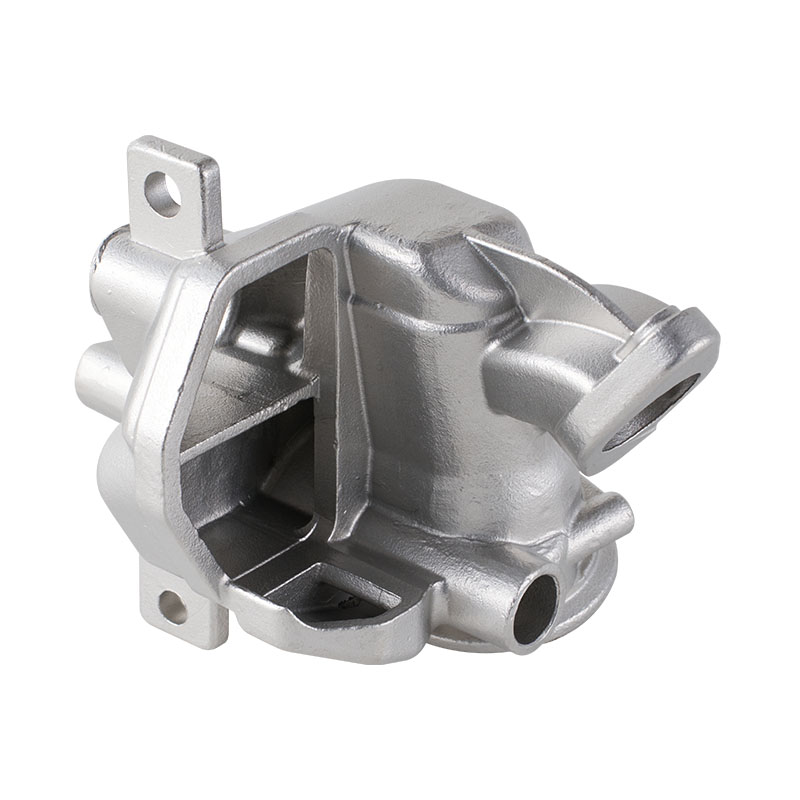
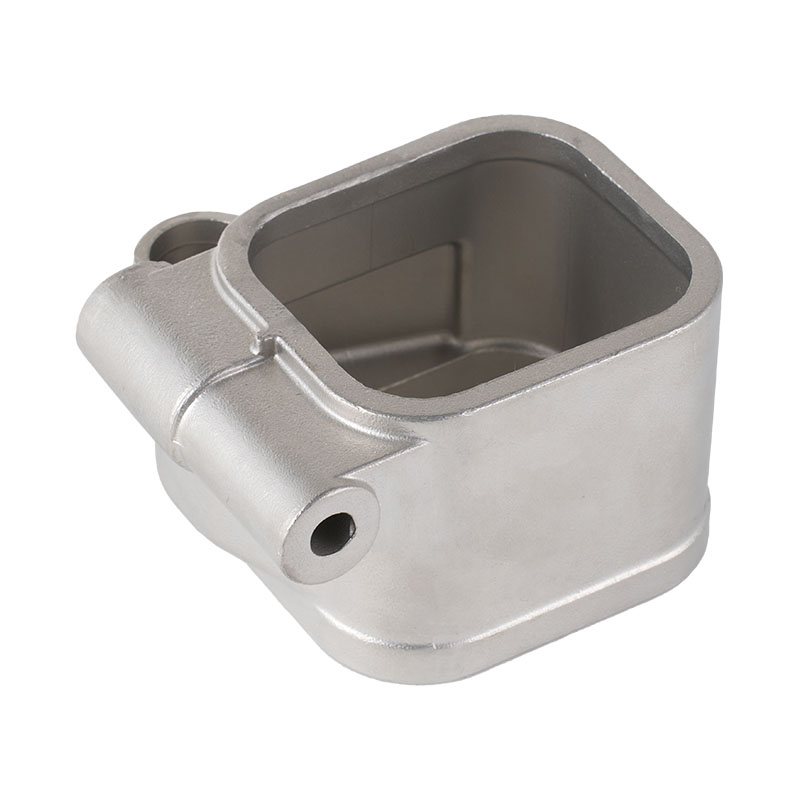
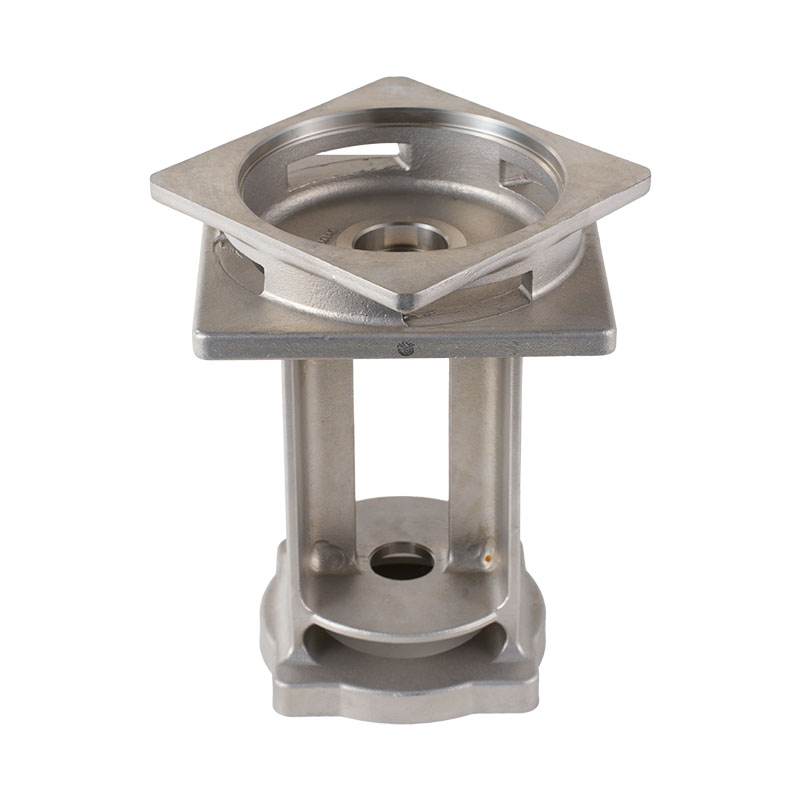
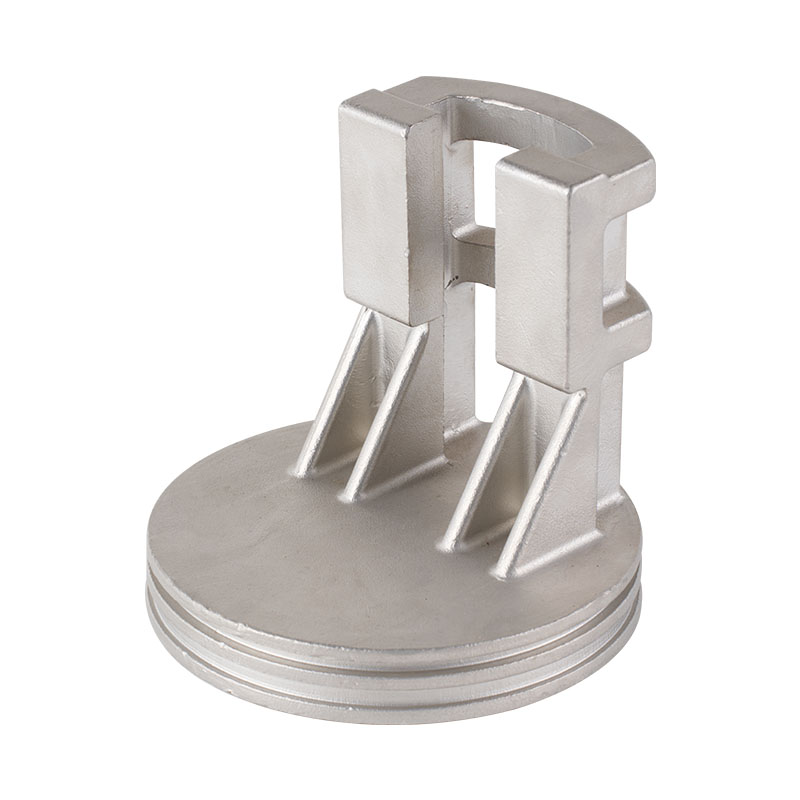
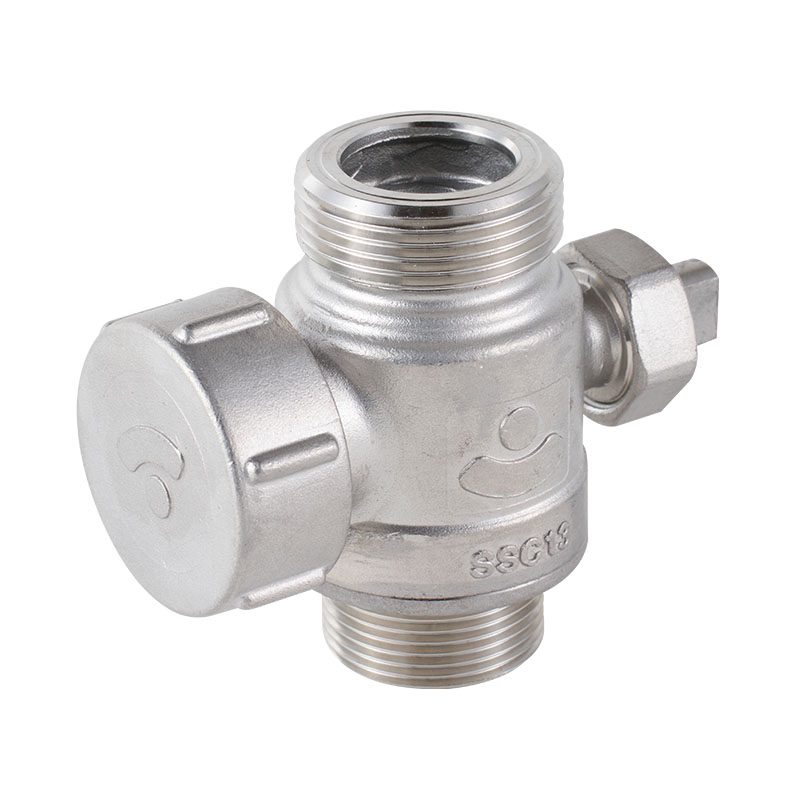
Petroleum Valve Casting plays a critical role in oilfield infrastructure, including drilling platforms, pipeline networks, and refining facilities. These systems are exposed to high pressure, mechanical stress, and chemically active fluids, requiring valves to perform reliably over long operational periods. Castings must provide predictable sealing, mechanical stability, and corrosion resistance in order to support continuous flow control.
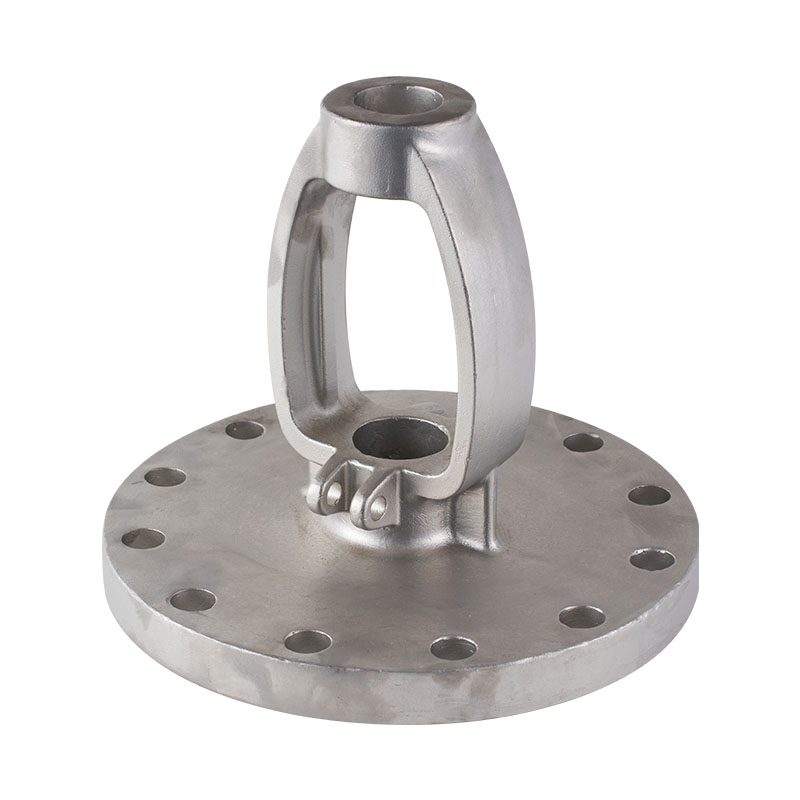
High-pressure tolerance is a primary consideration. Valves in upstream and midstream facilities often operate under sustained pressures that can fluctuate due to process demands. Petroleum valve castings are engineered with reinforced sections, controlled wall thickness, and optimized geometry to maintain dimensional stability and prevent leakage during long-term service. Operational studies indicate that valves with consistent casting quality exhibit fewer variations in performance under repeated high-pressure cycles.
Key design aspects include:
Corrosion exposure is significant in petroleum applications. Fluids may contain water, sulfur compounds, and other reactive elements. Alloy steels and stainless steels with corrosion-resistant properties are frequently applied to maintain surface integrity and minimize wear. Field observations suggest corrosion-resistant castings extend inspection intervals and reduce unplanned maintenance events.
Casting precision is critical for long-term performance. Smooth internal surfaces, aligned seats, and uniform dimensions are essential for effective sealing. Modern production processes include controlled cooling, stress-relieving heat treatments, and precision machining to enhance material stability.
Quality verification processes involve:
Petroleum valve castings are often installed in remote or hard-to-access locations such as offshore platforms or long pipelines. Consistent material properties support planned maintenance schedules and reduce the risk of unexpected downtime. Predictable mechanical behavior also enables integration with automated monitoring systems, where stable valve performance ensures accurate flow and pressure readings.
Operators frequently incorporate petroleum valve castings into broader system planning. By balancing corrosion-resistant materials with precision casting techniques, valves provide reliable flow control, extended service life, and compatibility with automated systems. These factors contribute to operational efficiency, cost management, and long-term asset planning.
In conclusion, Petroleum Valve Casting is widely applied across oilfield and refining operations to support continuous flow control, high-pressure endurance, and corrosion management. Controlled manufacturing, material selection, and comprehensive quality checks ensure reliable performance over long operational periods.
FAQs
Why is casting used for petroleum valves?
Casting enables reinforced designs suitable for high-pressure and chemically active environments.
Which materials are typically applied?
Alloy steels and corrosion-resistant stainless steels are common.
Do petroleum valve castings support maintenance planning?
Yes, consistent designs help schedule inspections and reduce unscheduled interventions.
Are petroleum valve castings suitable for offshore operations?
Yes, they are designed to withstand remote and high-pressure offshore environments.
How does valve material affect flow control in petroleum systems?
Materials influence sealing performance and corrosion resistance, impacting consistent flow control.
Can petroleum valve castings be monitored remotely?
Integration with automated systems allows for remote flow and pressure monitoring.
Do petroleum valve castings have standardized inspection intervals?
Yes, inspection schedules can be aligned with operational and regulatory requirements.