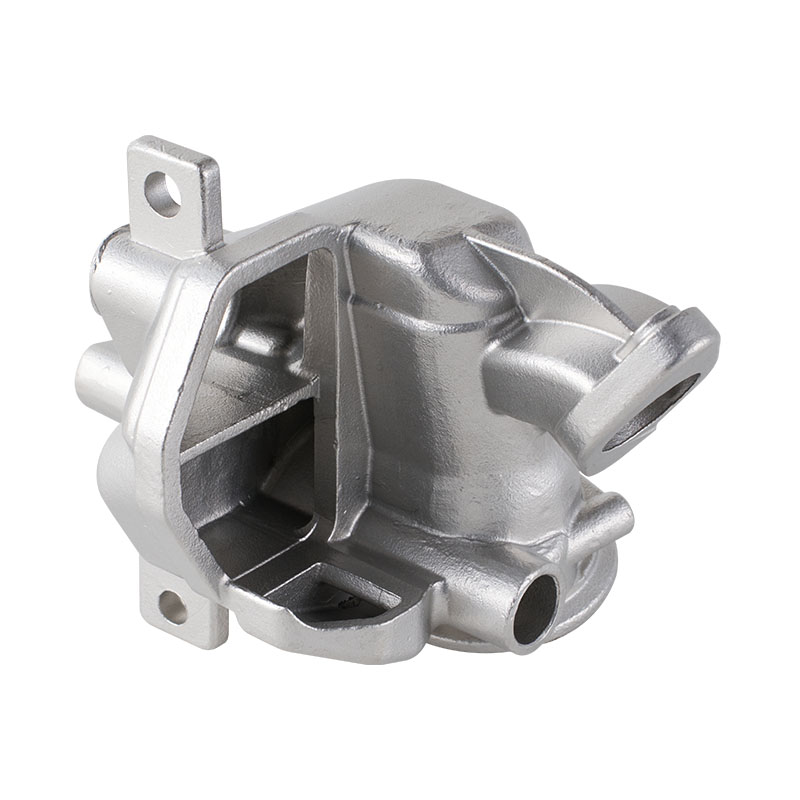
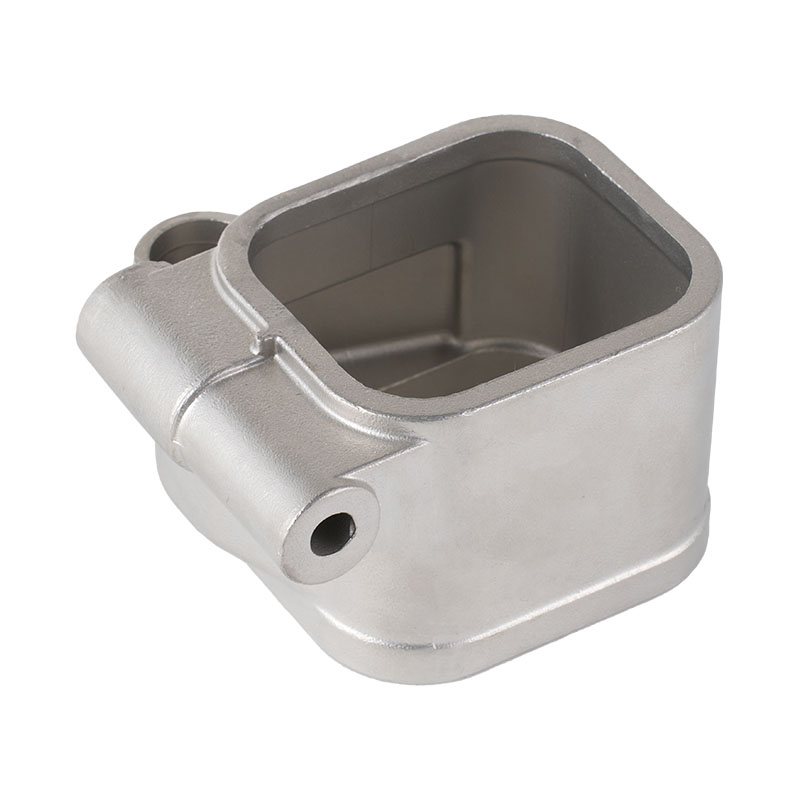
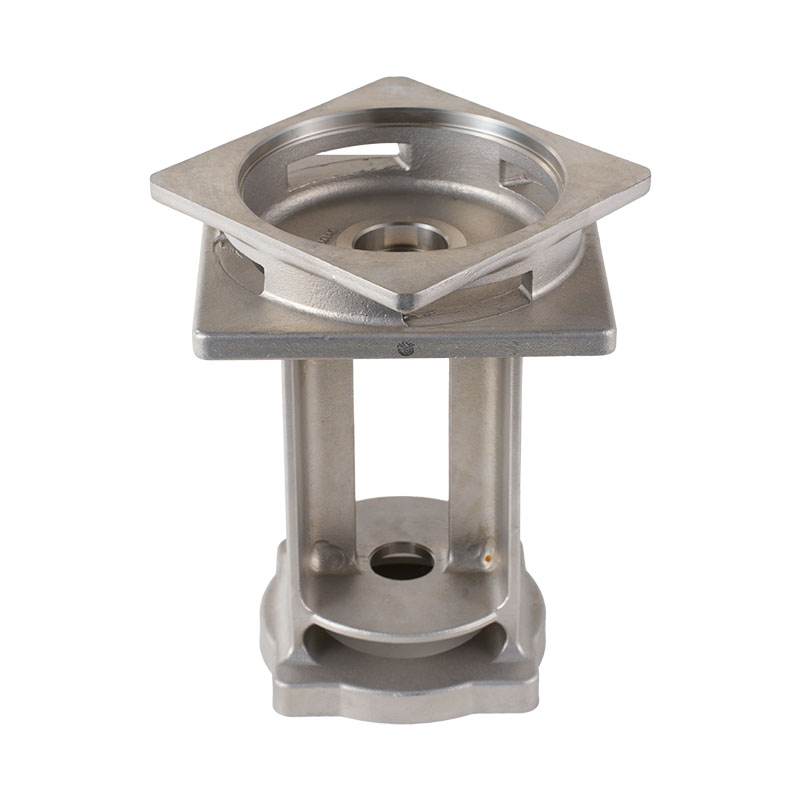
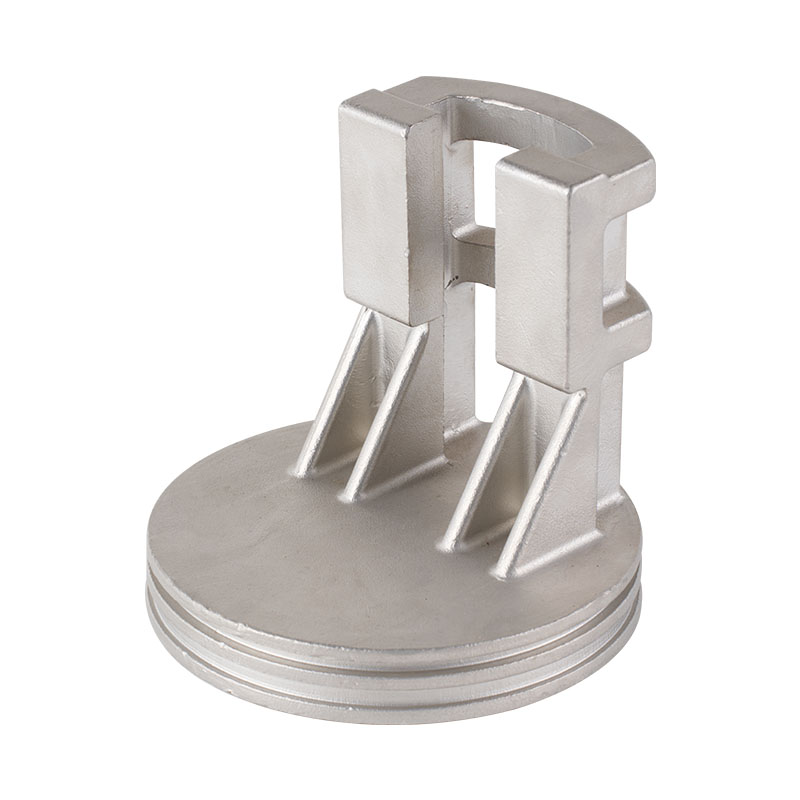
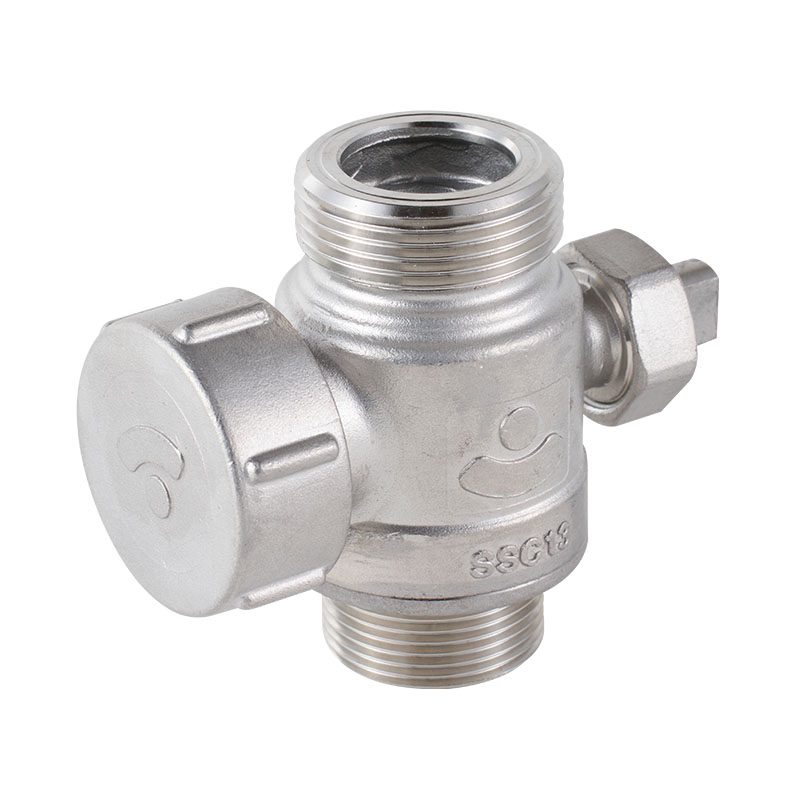
Flame Retardant Valve Casting is widely used in industrial environments where high temperatures, pressurized systems, and potential fire exposure coexist. Industries such as chemical processing, power generation, and manufacturing often operate near heat sources, where valves must maintain performance under sustained thermal conditions. Flame-retardant valve castings are designed not only to handle emergency scenarios but also to ensure predictable operation under daily high-temperature exposure, contributing to overall system stability.
In fire-related incidents, valve components can face rapid temperature increases. Standard castings may deform or experience reduced sealing effectiveness under such exposure. Flame-retardant designs aim to preserve structural integrity during thermal events, helping systems continue to function within their safety parameters. Operational assessments suggest valves with flame-retardant properties exhibit fewer leakage issues under high-temperature conditions compared to conventional options.
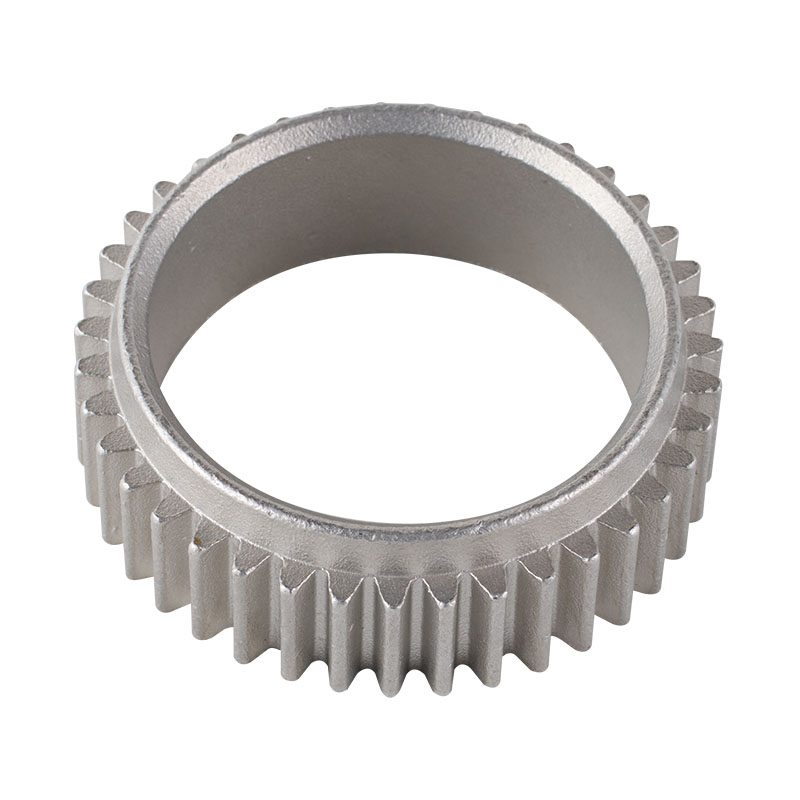
Key considerations in the design of Flame Retardant Valve Casting include:
The materials used, often heat-resistant stainless steels or alloy steels, are chosen for their ability to retain strength and ductility for defined periods of thermal exposure. Heat treatment and controlled solidification processes improve microstructure, enhancing stability under sudden temperature fluctuations.
Manufacturing processes significantly influence performance. Precision sand casting or investment casting helps reduce voids and internal defects. Quality inspection typically involves:
In industrial layouts, valves are often installed near continuous heat sources, such as boilers, reactors, or steam lines. Flame-retardant castings ensure predictable thermal expansion and contraction patterns, supporting reliable sealing over extended periods. These valves are also frequently integrated with automated monitoring systems, where stable mechanical response ensures accurate readings and coordinated actuator performance.
Maintenance planning benefits from predictable material behavior. Uniform microstructure reduces irregular wear, allowing scheduled inspections to be effective and avoiding unexpected interventions. In continuous-process facilities, this predictability aids operational continuity and planning.
Flame-retardant valve bodies are also part of broader safety systems. Engineers coordinate them with fire suppression systems, temperature sensors, and pressure relief mechanisms to provide cohesive safety management. Field reports indicate facilities incorporating these valves experience improved operational consistency during both routine high-temperature exposure and emergency events.
In summary, Flame Retardant Valve Casting is applied in industrial facilities to maintain stable operation in heat-prone and emergency scenarios. Material selection, controlled casting, and rigorous inspection collectively support valve reliability. Flame Retardant Valve Casting remains a key component in industrial fire planning and operational safety strategies.
FAQs
Where are flame-retardant valve castings commonly used?
They are installed in chemical plants, power facilities, and manufacturing environments where heat and fire risks exist.
Do flame-retardant castings affect normal operation?
They function comparably to standard valves under routine conditions.
Are inspections different from standard valves?
Inspection procedures focus on structural and dimensional consistency, similar to conventional castings.
How long can flame-retardant valves operate near high-temperature sources?
They are designed for sustained exposure under normal operating ranges without rapid degradation.
Can flame-retardant valves be retrofitted into existing systems?
Yes, they can often replace standard valves if size and connection compatibility are met.
Do flame-retardant valves require special training for maintenance?
Routine maintenance follows standard industrial valve procedures.
How do flame-retardant valves interact with automated fire safety systems?
Stable valve operation supports accurate sensor readings and actuator coordination during high-temperature events.