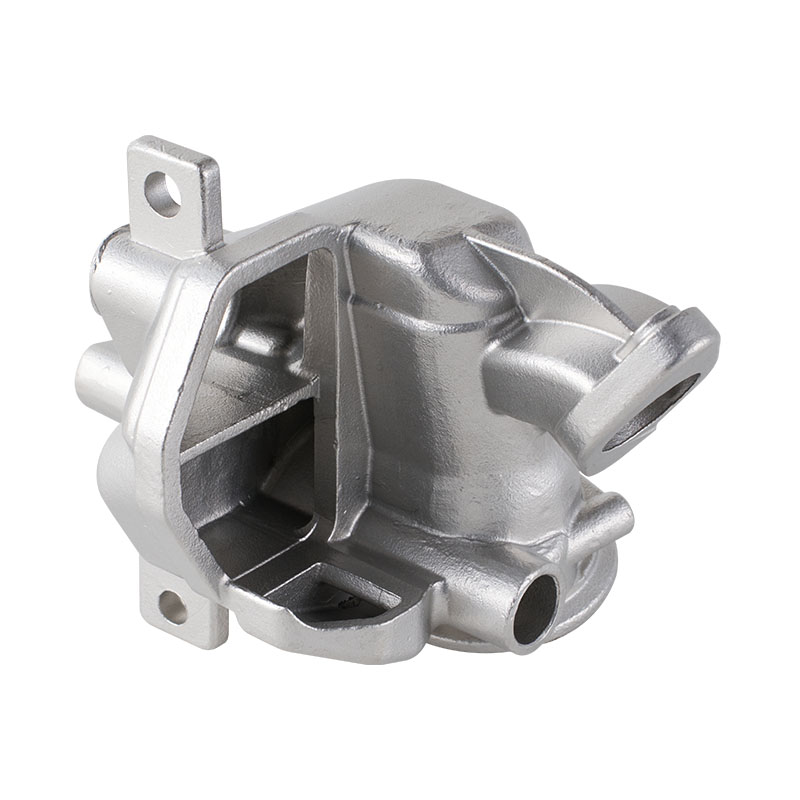
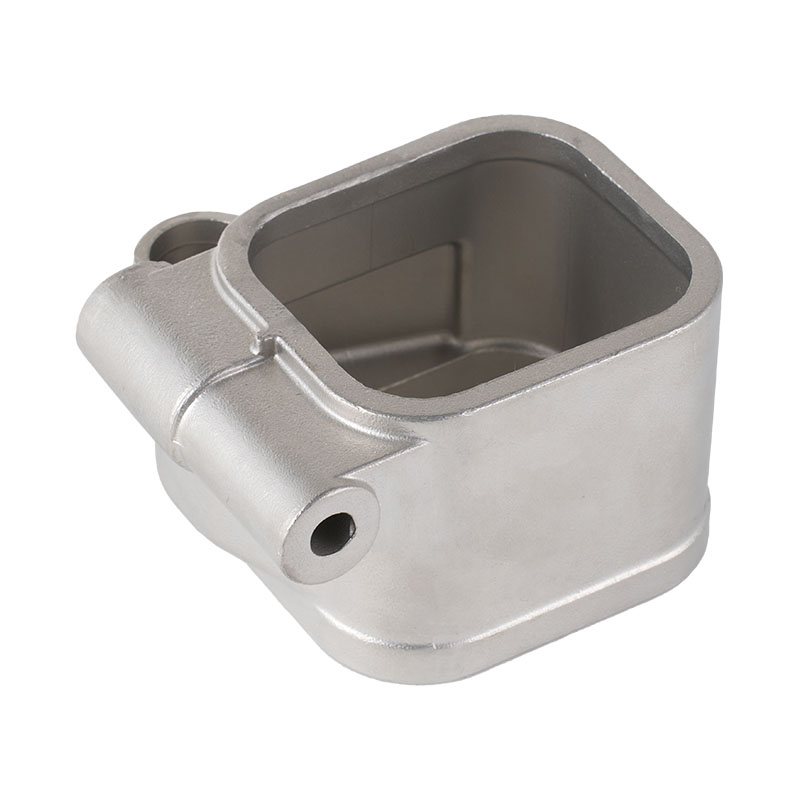
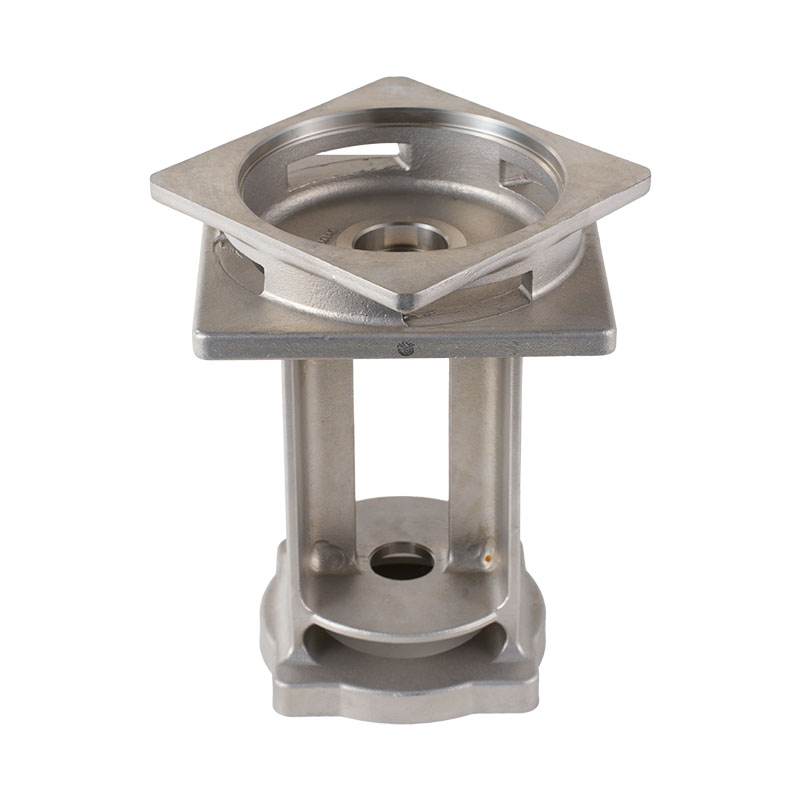
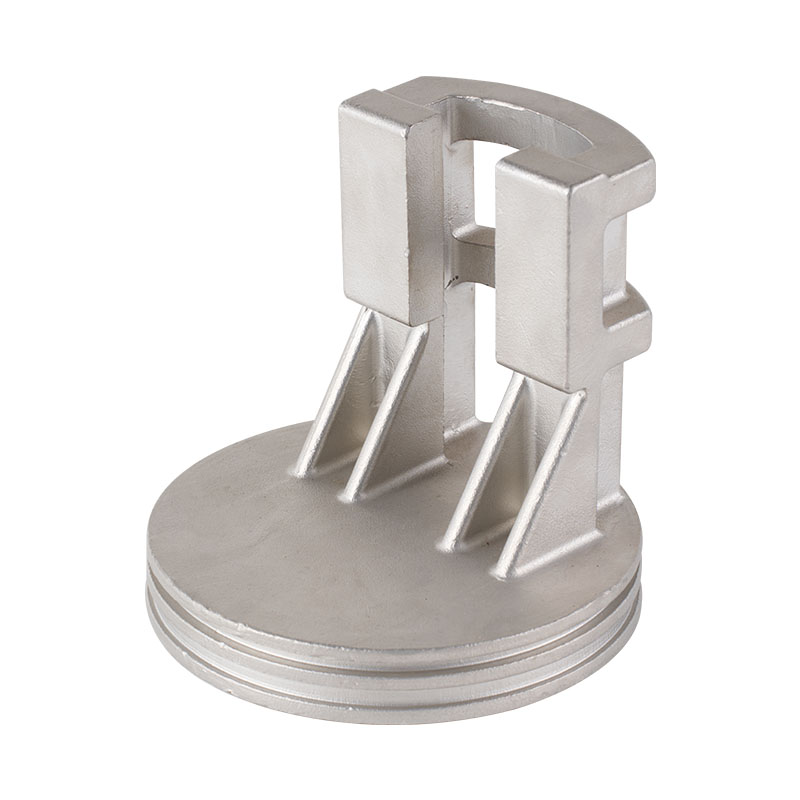
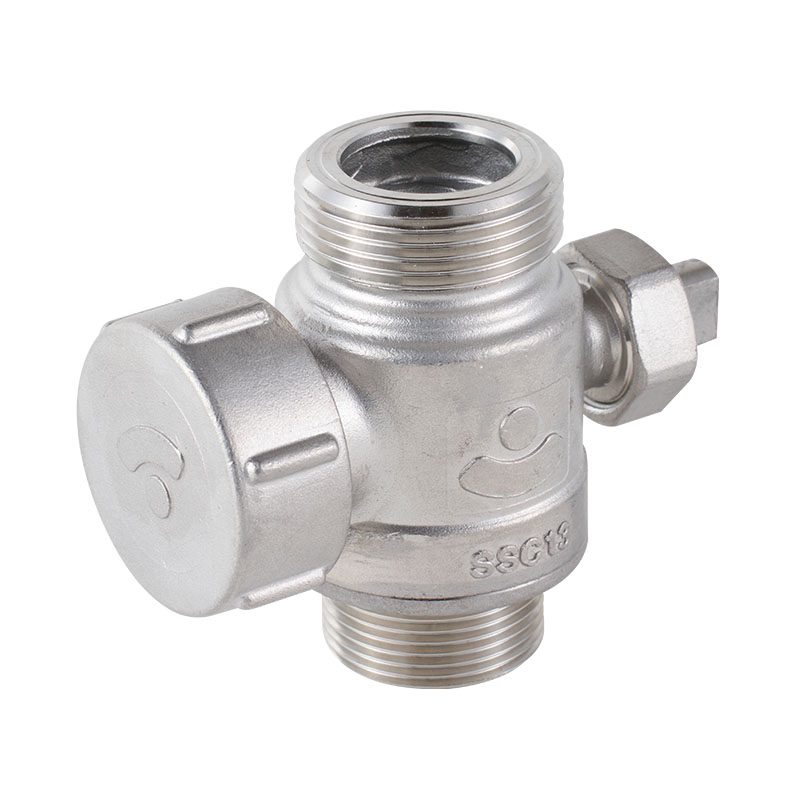
Pipe fittings casting is a critical technology in industrial, commercial, and municipal piping systems. Beyond material selection, production efficiency, mechanical performance, and compliance with quality standards are key factors that determine the reliability and lifespan of fittings. These aspects ensure safe operation and reduce maintenance costs for water, chemical, and gas transport systems.
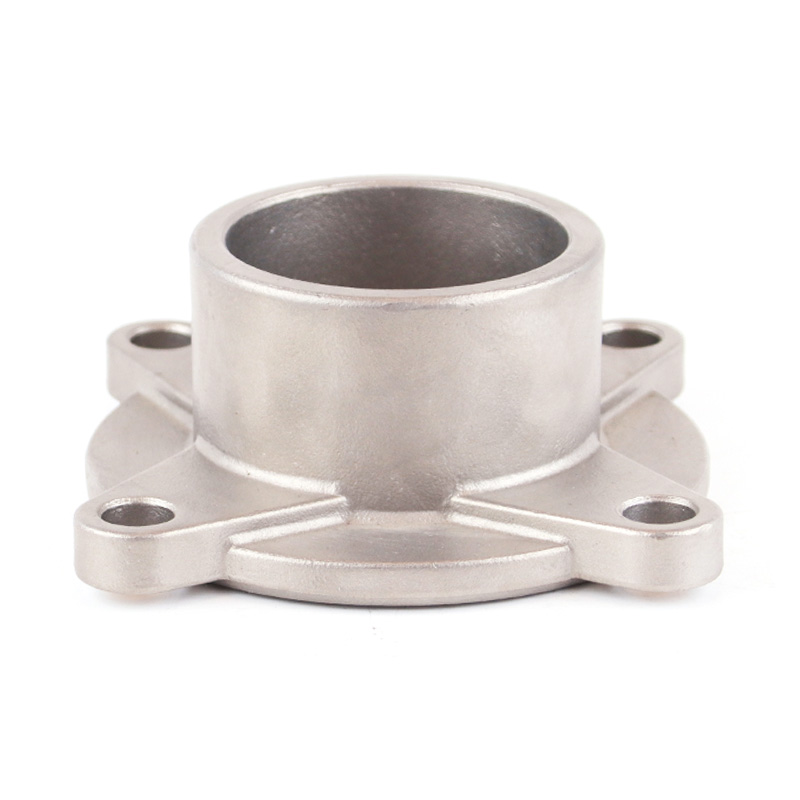
The casting method directly impacts production speed, material usage, and overall cost. Sand casting is flexible and cost-effective for large-diameter fittings but may require additional machining for precise threads or flanges. Investment casting, though more expensive, produces small, intricate fittings with high precision, reducing assembly time. Shell molding provides consistent wall thickness and surface quality for medium-sized fittings while maintaining efficiency. Gating and riser designs improve yield and reduce material waste, which is especially important in large-volume projects. Efficient production planning also allows manufacturers to meet tight deadlines for infrastructure projects while controlling overall project budgets.
Mechanical performance is critical for safe operation. Ductile iron, a common material, has a minimum tensile strength of approximately 420 MPa and is typically pressure-rated for service up to 3.5 MPa. Hydrostatic testing often applies 1.5 to 2 times the working pressure to ensure structural integrity. Gray cast iron, with tensile strength around 214 MPa, is suitable for lower-pressure applications. Fittings are also evaluated for impact resistance and fatigue performance to confirm they can withstand repeated stress and dynamic pressure surges. In practical applications, this ensures that municipal water networks, industrial chemical pipelines, and steam systems operate reliably over long service lifetimes.
Compliance with recognized standards ensures that Pipe Fittings Casting components meet predictable performance requirements. International and regional standards, such as ASME, ANSI, and ISO specifications, define fitting dimensions, pressure classes, wall thickness, and material grades for different applications. Adhering to these standards not only guarantees interoperability between components from different manufacturers but also ensures that fittings can safely perform under their design conditions. For example, ductile iron fittings produced to ANSI/AWWA standards provide consistent pressure ratings and dimensional accuracy, making them suitable for integration into large municipal or industrial systems. Strict compliance with these standards facilitates global procurement and installation while reducing the risk of failures or incompatibility in complex piping networks.
The combination of material choice, casting process, and adherence to standards determines suitability for specific applications. Ductile iron fittings are widely used in municipal water and wastewater systems, while cast steel fittings are preferred for high-pressure chemical or industrial pipelines. Surface treatments, such as epoxy coatings, can further enhance corrosion resistance, reduce maintenance, and extend service life. Well-designed fittings also simplify installation and future replacement, downtime, and operational disruption.
Q1: How does casting method affect cost and production speed?
Sand casting is cost-effective for large fittings but may need extra machining. Investment casting reduces machining for small parts, while shell molding balances quality and efficiency.
Q2: What mechanical strength can cast fittings achieve?
Ductile iron fittings can exceed 420 MPa tensile strength, with hydrostatic tests typically conducted at 1.5–2 times working pressure. Gray cast iron fittings have lower strength, suitable for lower-pressure systems.
Q3: Are there standards for pipe fittings casting?
Yes. ASME, ANSI, and ISO standards define dimensional, pressure, and material requirements for various pipe fittings, ensuring interoperability and safe performance in their intended applications.
Q4: How does compliance with standards benefit system installation?
Standards guarantee consistent sizing, pressure ratings, and material quality, allowing seamless integration of fittings into complex piping networks with reduced risk of operational failure.