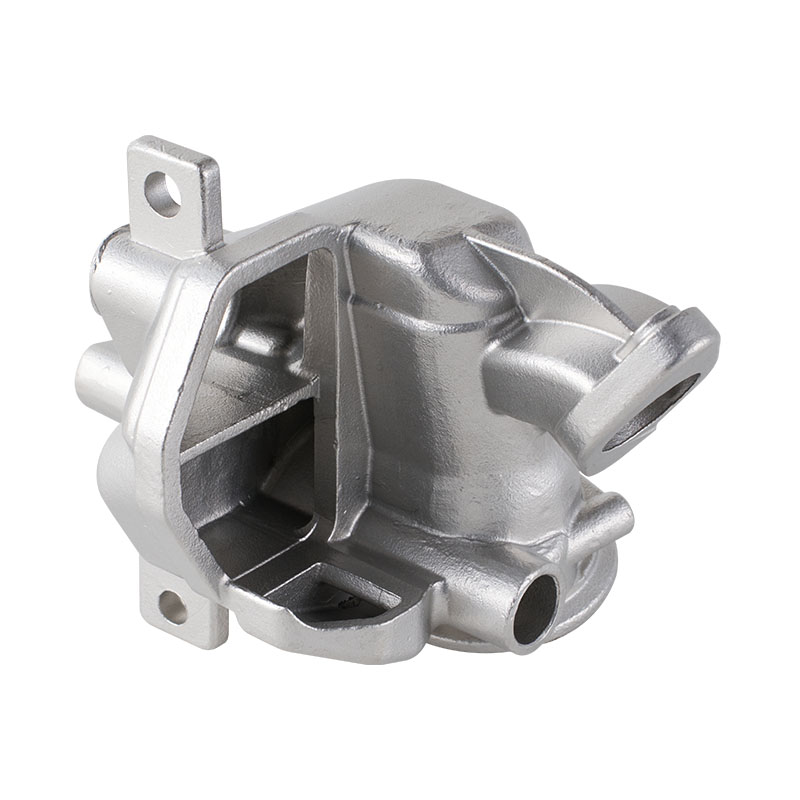
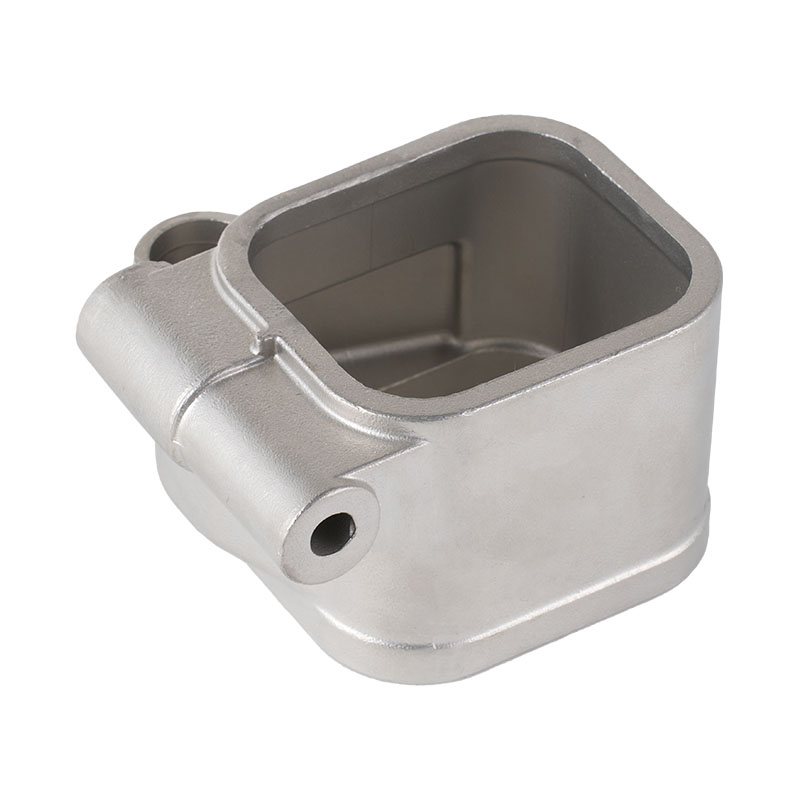
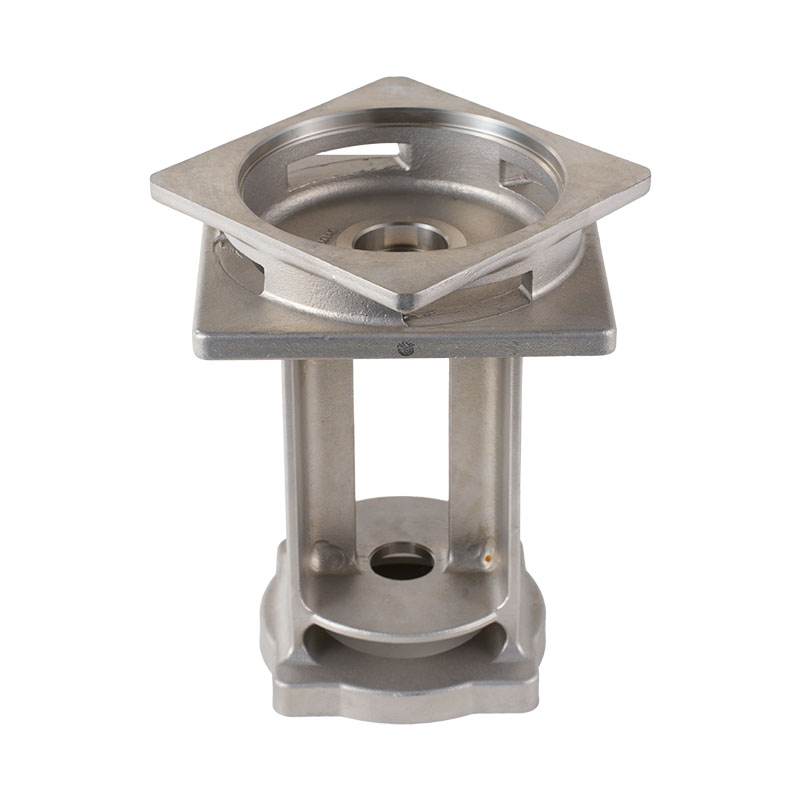
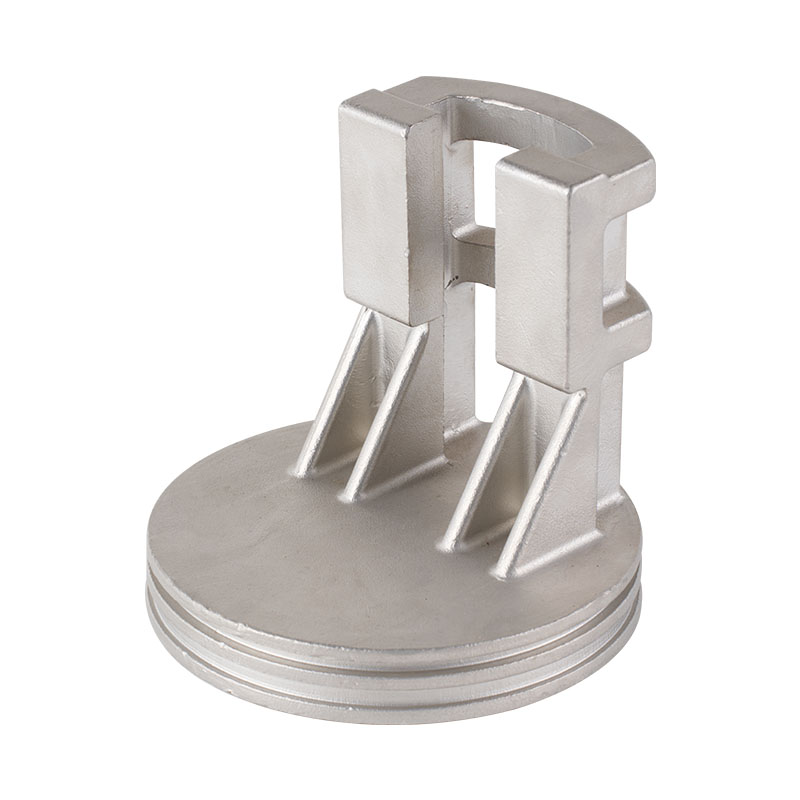
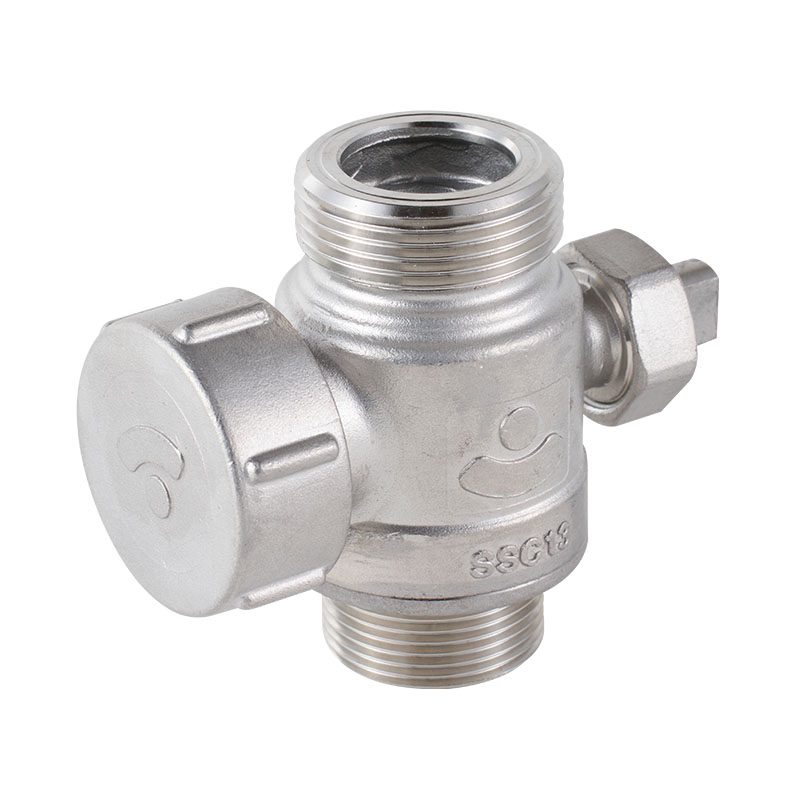
Ball valve castings play a key role in fluid control systems across industrial sectors. The performance of a ball valve depends heavily on both the base material and the casting method used in production. Material selection affects corrosion resistance, pressure and temperature tolerance, and overall durability. Precision in casting ensures the integrity of the valve body and contributes to reliable operation in demanding environments. The manufacturing processes typically include investment casting, sand casting and shell molding, which are chosen depending on design complexity and performance requirements. Ball Valve Casting components produced with strict quality control deliver consistent dimensional accuracy and service life.
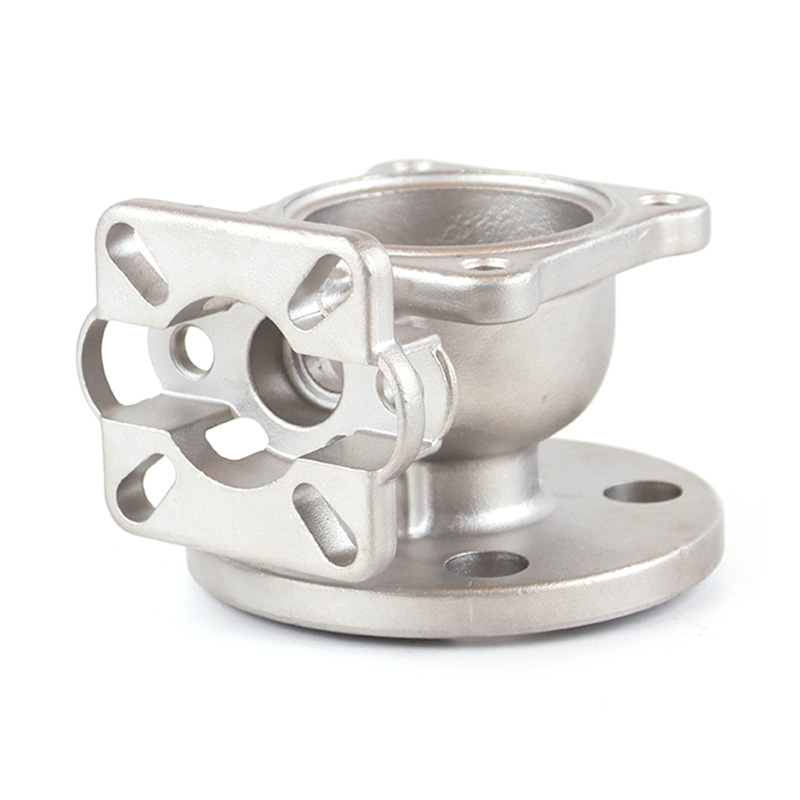
Different materials are chosen based on service conditions and media characteristics. Each material brings specific strengths and limitations:
Different materials also influence casting process choice. For example, complex stainless steel valve bodies are often produced via precision investment casting, which delivers smooth surface finishes and accurate internal geometries that reduce leakage risk.
Casting method influences valve quality metrics such as dimensional accuracy, surface finish, and mechanical integrity. Common casting processes include:
Selection of an appropriate casting method balances production cost, design complexity, and performance expectations.
In fluid systems exposed to corrosive media, material choice and surface treatment greatly influence service life. Coatings such as epoxy or PTFE liners can enhance resistance to pitting and chemical attack in aggressive environments. In water treatment and offshore applications, corrosion‑resistant materials reduce long‑term maintenance costs.
Strict inspection protocols ensure casting quality and operational safety:
These tests are performed at various stages of production to verify compliance with standards.
Q1: Why does material choice matter for ball valve castings?
Material determines corrosion resistance, pressure limits and temperature tolerance. For example, stainless steel offers superior corrosion protection compared to carbon steel.
Q2: What are the main casting methods used?
Investment casting, sand casting and shell molding are widely used. Investment casting provides finer detail, while sand casting suits larger, simpler parts.
Q3: How do manufacturers ensure casting quality?
Quality is confirmed through radiographic, ultrasonic and pressure tests to detect internal defects and verify performance.