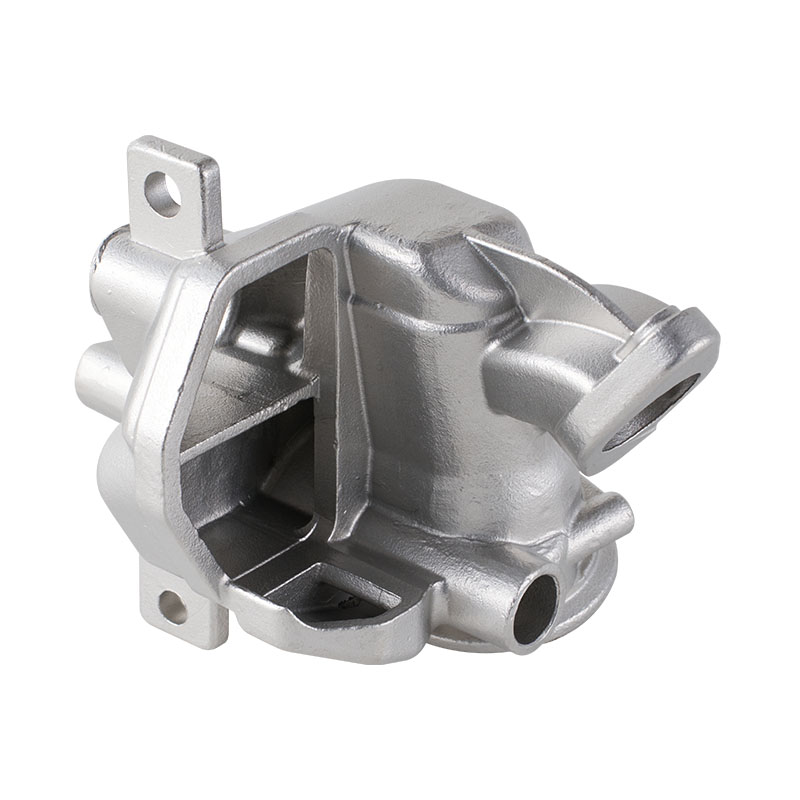
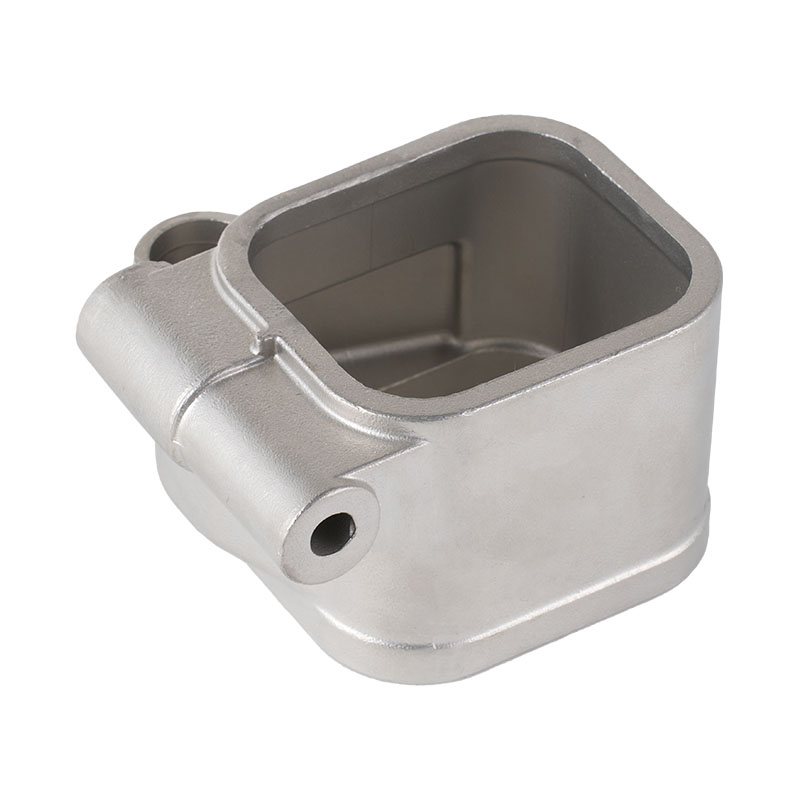
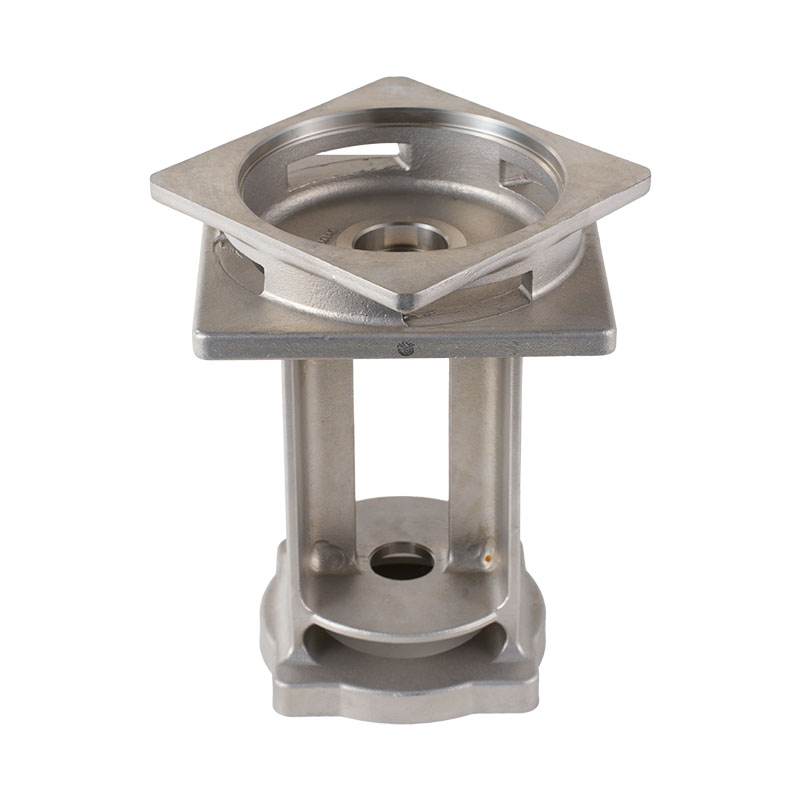
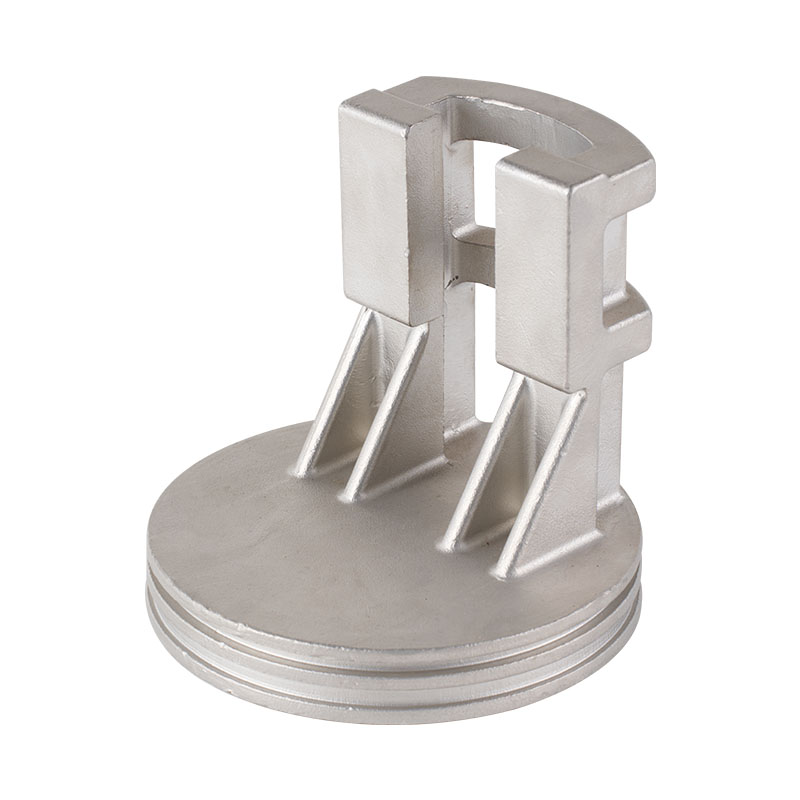
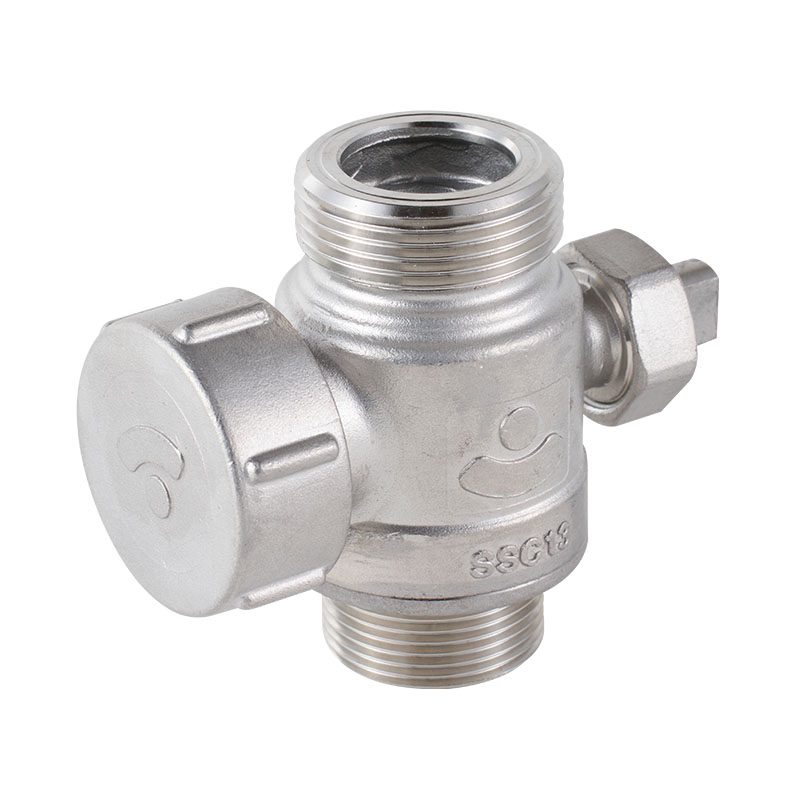
Cast components are essential in ATV suspension systems, particularly in areas where strength and durability are critical. Precision cast parts like control arms, suspension mounts, and other accessories are widely used in ATV Parts And Accessories Casting, allowing complex shapes while maintaining mechanical reliability. Casting processes ensure components meet strict tolerances, making them suitable for demanding off‑road conditions and supporting long-term performance.
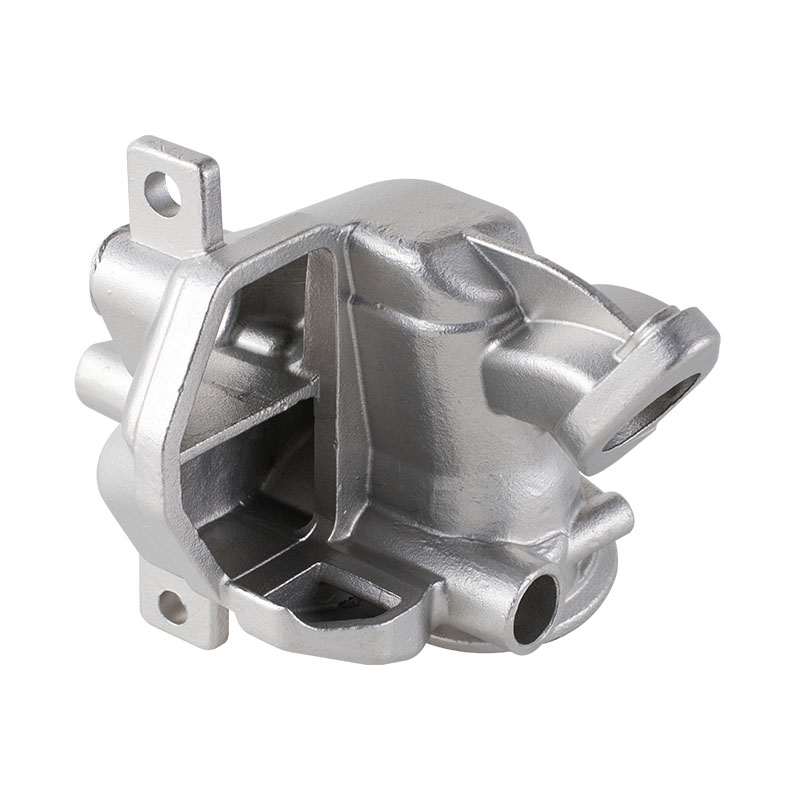
Aluminum alloys are commonly used for ATV suspension parts because they offer a balance of strength and weight. Compared to steel, aluminum can weigh up to one‑third as much while maintaining sufficient mechanical properties. In typical ATV applications, cast aluminum control arms and suspension links must withstand repeated dynamic loads from uneven terrain without permanent deformation.
ATV owners commonly encounter bent or cracked control arms, which should be addressed promptly. Even minor distortion can misalign suspension geometry, causing abnormal tire wear and handling issues.
Replacing a damaged cast suspension component follows these general steps:
Minor surface damage or small cracks may be repaired with TIG welding by skilled technicians. Aluminum casting responds differently to heat than wrought materials, so post‑weld stress relief is recommended. Experienced metalworkers sometimes repair minor cracks on engine and suspension housings successfully, ensuring reliable operation.
Q1: Is aluminum casting strong enough for suspension control arms?
Yes. Modern aluminum casting alloys for ATV suspension are engineered for strength and durability, with tensile strengths typically above 200 MPa.
Q2: What are common failure modes for cast suspension parts?
Failures often occur from impact overload, fatigue cracking, or casting defects such as porosity. Regular inspections help detect early issues.
Q3: Can a cracked cast aluminum control arm be repaired?
Minor surface cracks may be repairable by skilled welding, but structural cracks usually require replacement for safety.
Q4: Where can quality cast ATV parts be sourced?
High-quality suppliers specializing in ATV Parts And Accessories Casting provide components with strict quality controls, ensuring durability for structural and accessory applications.