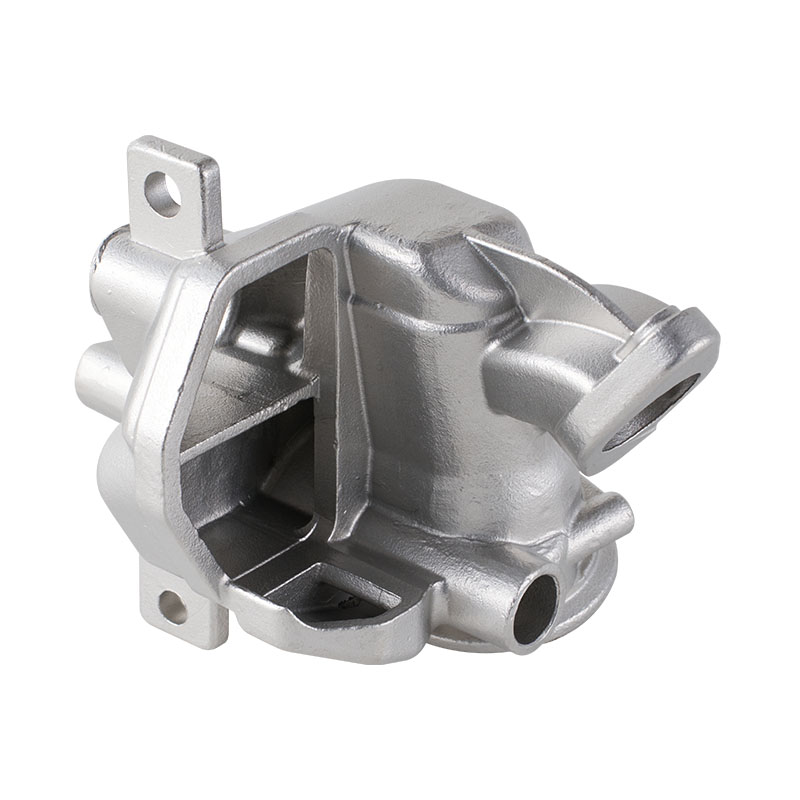
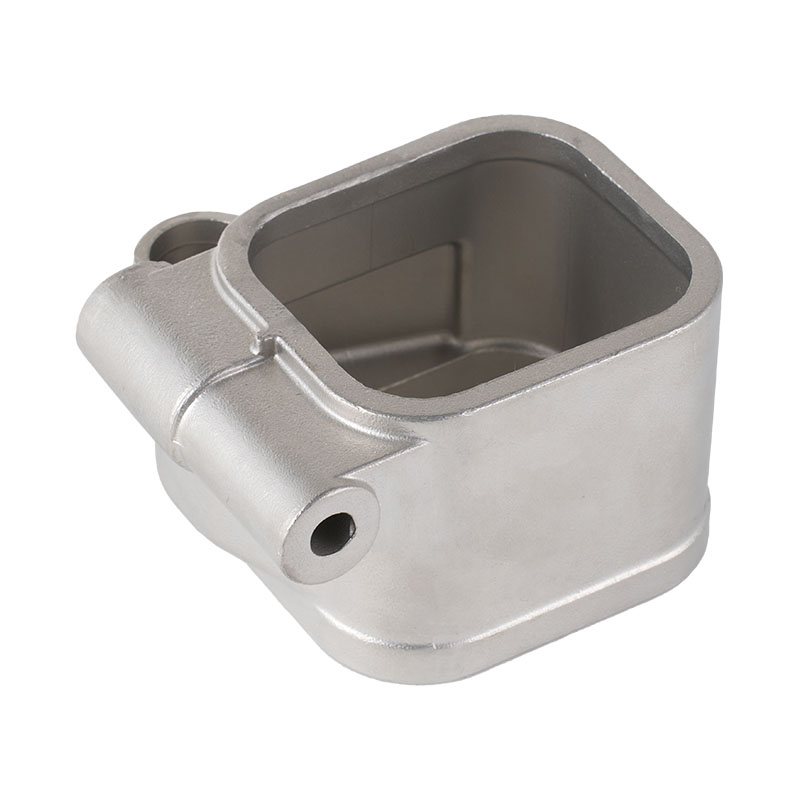
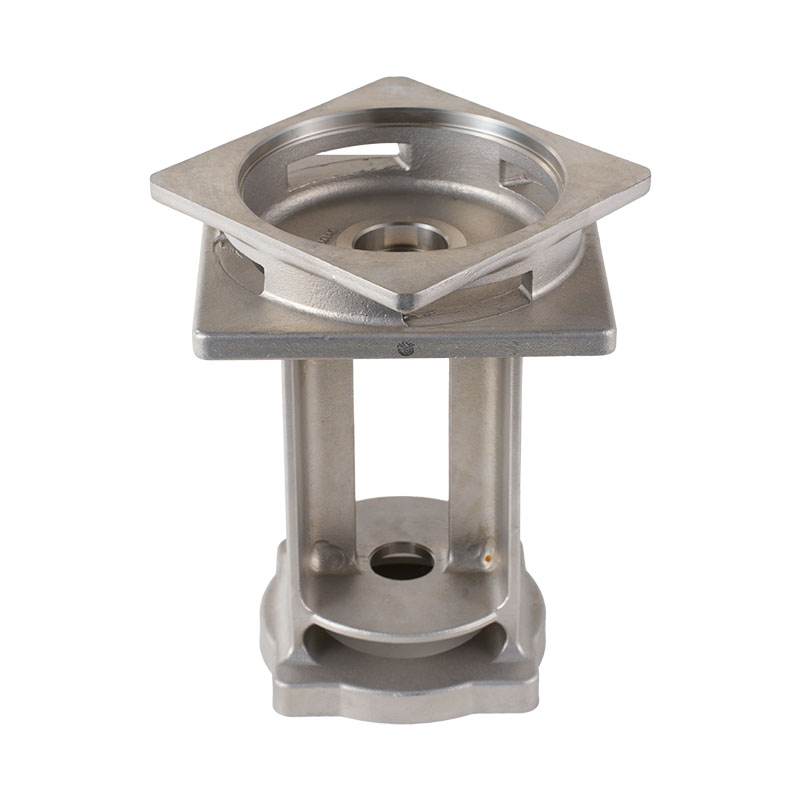
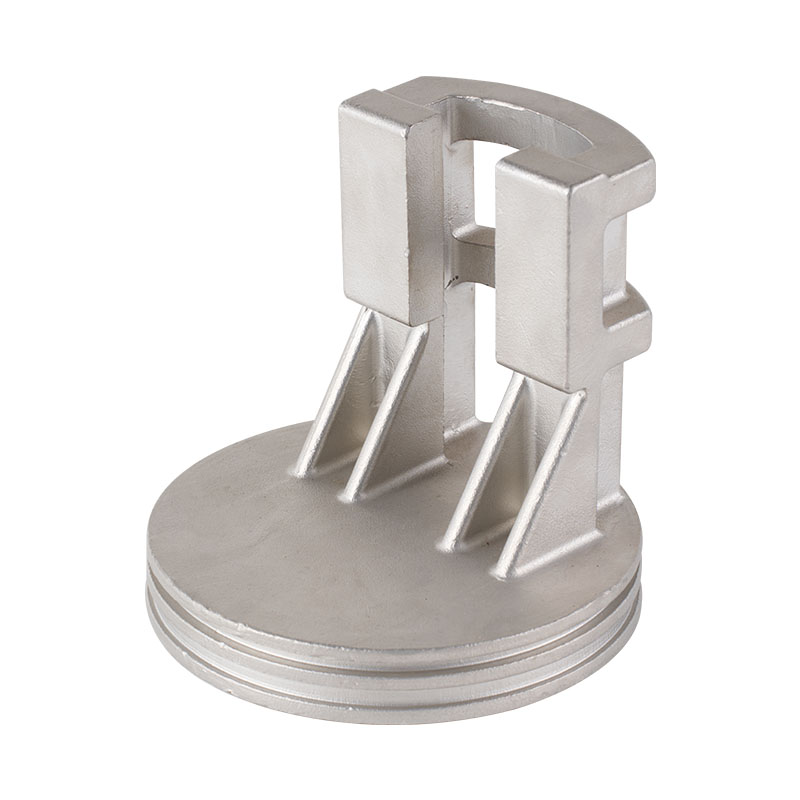
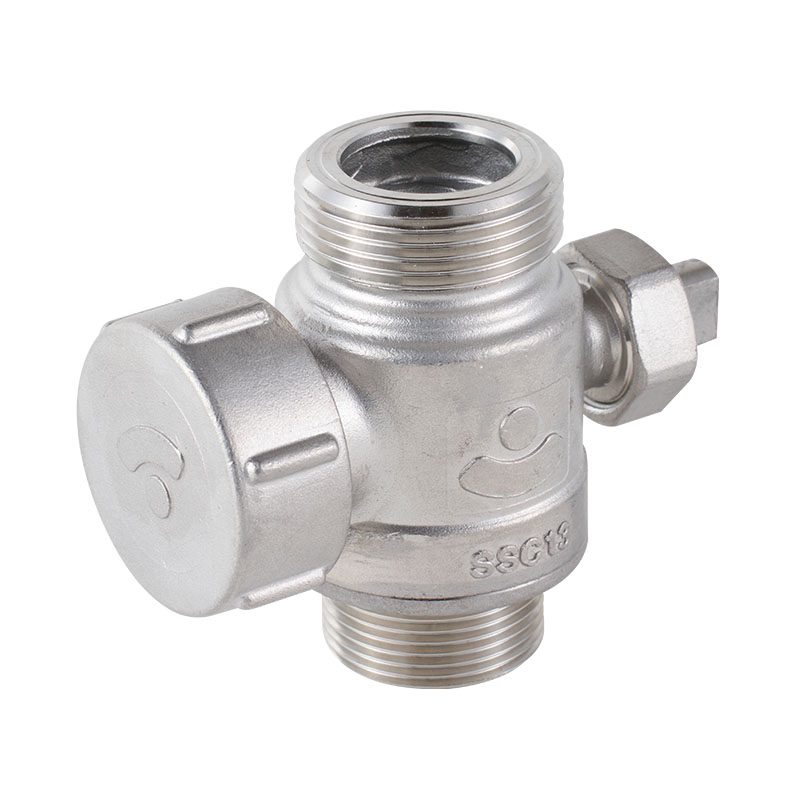
Agricultural machinery plays a central role in improving farming efficiency, and casting parts are fundamental to the structure and operation of this equipment. Within Agricultural Machinery Accessories, casting components are widely used to support load-bearing, motion transmission, and equipment stability. As farming systems continue to scale up globally, the role of agricultural machinery casting parts has become increasingly significant.
One of the most visible trends in the agricultural equipment sector is the growth of large and high-capacity machines. According to industry data, tractors above 150 horsepower account for over 45% of new tractor sales in large-scale farming regions, reflecting a steady increase in machine size and power. This shift directly drives demand for heavy-duty casting parts capable of handling higher stress and longer operating cycles.
Key reasons for the increased use of heavy cast components include:
Casting technology allows manufacturers to produce thick-walled and reinforced parts that support these operating conditions while maintaining dimensional consistency. For large tractors and harvesters, cast structural parts contribute to operational stability and reduced mechanical fatigue.
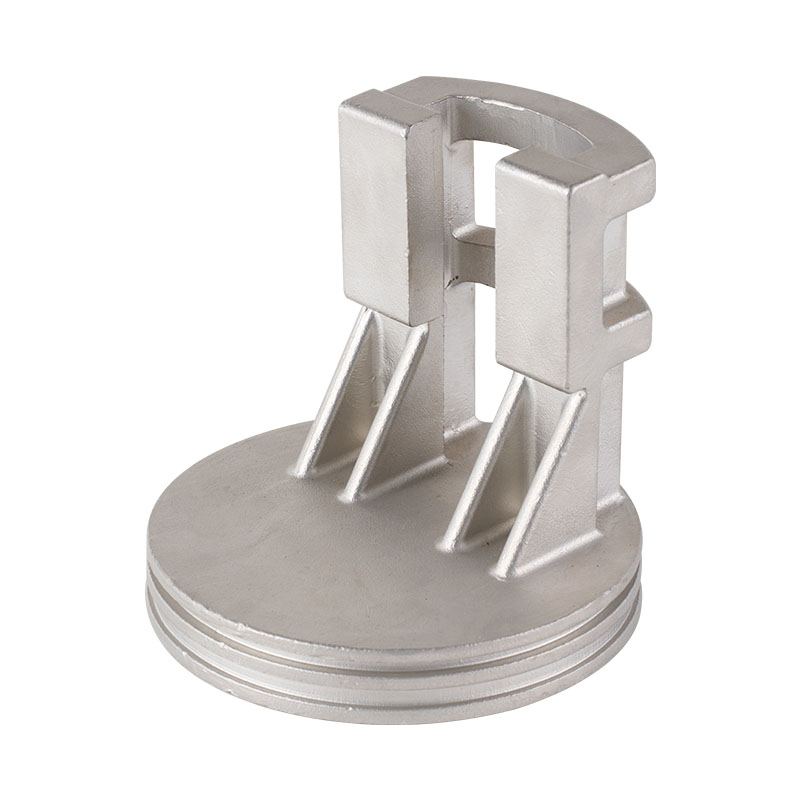
Agricultural machinery casting parts are applied across multiple systems. Among Agricultural Machinery Accessories, several cast components play especially important roles:
Industry estimates suggest that casting parts represent approximately 30–40% of the total structural components in many agricultural machines, highlighting their importance within equipment design.
Another widely discussed topic is the variation in casting specifications across different regions. Agricultural practices, terrain, and equipment usage patterns influence how machinery is designed and, consequently, how casting parts are produced.
Examples of regional differences include:
Flexible casting designs to support multi-purpose equipment
These differences require manufacturers to adjust mold design, material grades, and dimensional tolerances while maintaining consistent performance standards. Casting processes provide the flexibility needed to serve diverse regional markets without major production changes.
Examining the use of casting parts in agricultural machinery highlights how essential these components are to equipment functionality. The growing presence of large-scale agricultural machines has increased reliance on cast parts that can support higher loads and complex mechanical structures. Components such as housings, connectors, and support elements are now commonly integrated into multiple systems within modern equipment. At the same time, differences in regional machinery design and operating environments continue to influence casting requirements. Across the category of Agricultural Machinery Accessories, casting parts contribute to consistent machine performance and adaptable equipment design in diverse agricultural markets.