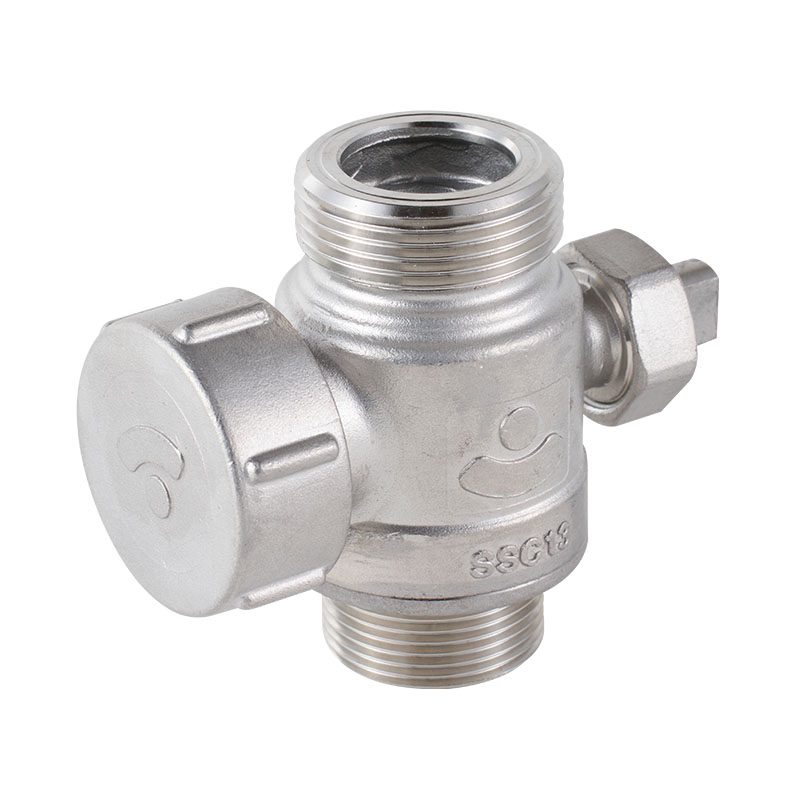
Piping systems in tight spaces demand reliable flow control components. Pump discharge lines. Equipment connections. Instrumentation branches. Industrial skids. Without check valves, backflow causes equipment damage and process contamination. A threaded vertical check valve delivers the backflow prevention required for compact and high-mounted installations. It provides a spring-assisted or gravity-operated disc that closes instantly when flow stops. It offers threaded ends for simple, tool-free installation. It makes system protection reliable and piping layouts more efficient.
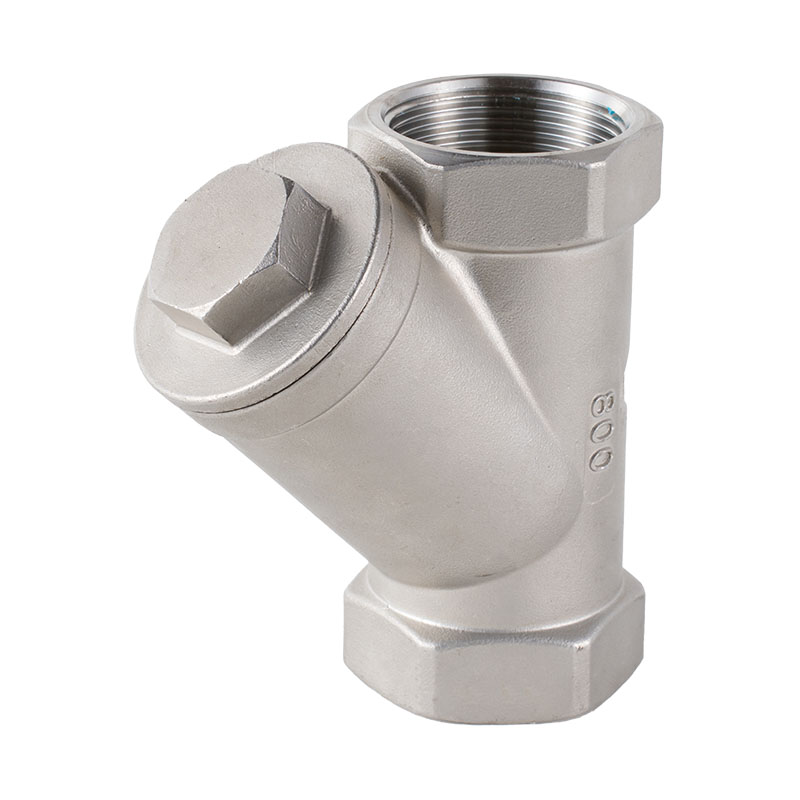
The disc lifts vertically to allow forward flow
Forward flow pressure raises the disc. A threaded vertical check valve features a disc that moves upward along a guide. The flow passes through the valve. The pressure drop is small. The system operates efficiently.
The disc returns to the seat when forward flow stops
Flow reversal is prevented. A threaded vertical check valve uses gravity or a spring to return the disc to the closed position. The disc seats securely. The backflow is blocked. The system is protected.
The spring assists in rapid closure
Spring tension is adjustable. A threaded vertical check valve incorporates a spring that accelerates disc closure when forward pressure drops. The closing is immediate. The backflow is prevented. The damage is avoided.
Threaded ends eliminate the need for flanges
Flanges add cost and require more space. A threaded vertical check valve screws directly into the pipeline. The installation is simple. The valve occupies less space. The piping layout is compact.
Threaded connections allow quick installation and replacement
Maintenance is simplified. A threaded vertical check valve is installed with standard pipe wrenches. The valve is removed easily. The replacement is quick. The downtime is minimized.
Threaded valves are available in various end configurations
Different systems require different connections. A threaded vertical check valve is available with NPT, BSP, or metric threads. The thread type matches the piping. The valve fits the system. The installation is correct.
Typical specifications for threaded vertical check valves:
Pump discharge lines
Pumps require backflow prevention. A threaded vertical check valve is installed on the pump discharge. The valve closes when the pump stops. The fluid does not backflow. The pump is protected.
Compressor and air systems
Air lines require directional flow control. A threaded vertical check valve is used in compressed air systems. The valve prevents reverse flow. The pressure is maintained. The system operates reliably.
Instrumentation and analyzer systems
Sample lines need contamination prevention. A threaded vertical check valve is installed in small-bore tubing. The valve protects the instrument. The sample is pure. The analysis is accurate.
Steam and condensate systems
Steam lines require backflow prevention. A threaded vertical check valve is used in steam tracing and condensate return lines. The valve withstands the temperature. The steam flows correctly. The system is efficient.
OEM skids and packaged equipment
Original equipment manufacturers need compact components. A threaded vertical check valve is specified for packaged pumping systems. The valve fits in tight spaces. The equipment is compact. The system ships as a unit.
The cracking pressure must suit the system requirements
Different systems require different opening pressures. A threaded vertical check valve should be selected with the appropriate spring or gravity setting. The valve opens at the correct pressure. The flow is maintained. The pressure loss is small.
The material must be compatible with the process fluid
Fluid compatibility is essential. A threaded vertical check valve should be specified with the correct body and seat material. The valve resists corrosion. The seat seals effectively. The system remains contained.
The connection type must match the existing piping
Thread compatibility is critical. A threaded vertical check valve should be selected with the correct thread standard. The valve connects properly. The seal is tight. The installation is reliable.
The valve must be serviceable in the installed position
Maintenance access affects downtime. A threaded vertical check valve should be designed for easy disassembly. The internal components are accessible. The valve is serviced quickly. The system returns to service.
A threaded vertical check valve provides a compact, reliable solution for backflow prevention. But it determines whether reverse flow is blocked or allowed to damage equipment. It decides whether a system operates safely or risks contamination and damage. Choose a valve with appropriate material, correct cracking pressure, matching connections, and serviceable design. Your equipment will be protected. Your operations will be reliable. That is the purpose of a threaded vertical check valve. To provide dependable backflow protection in tight installations.