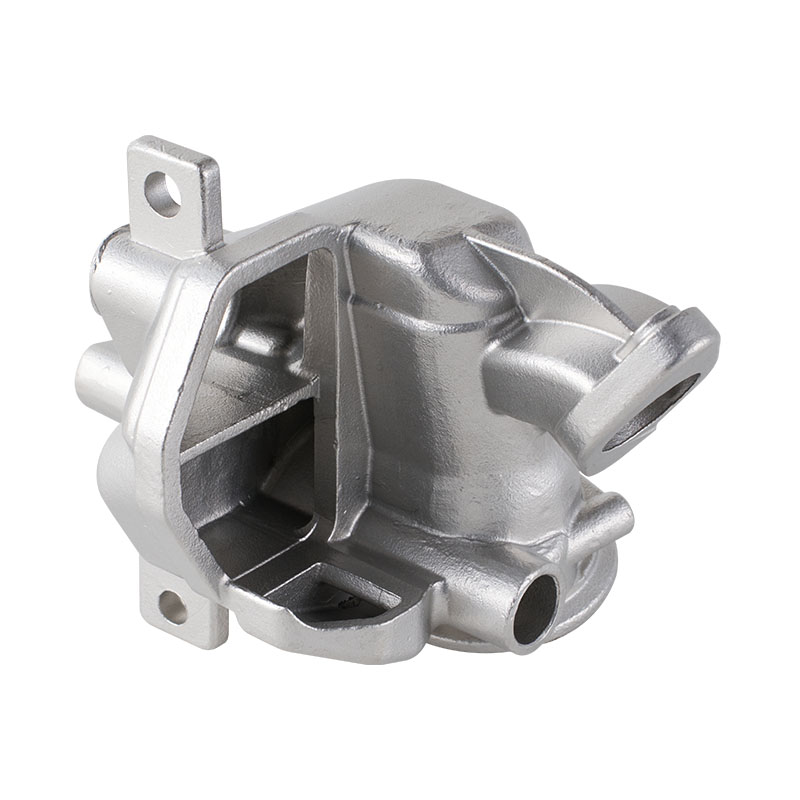
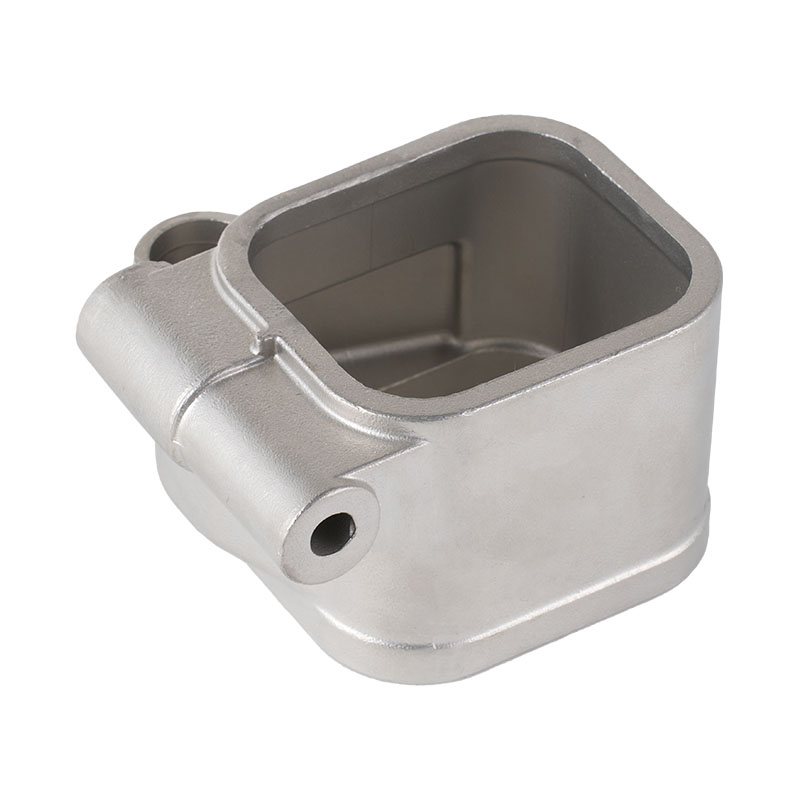
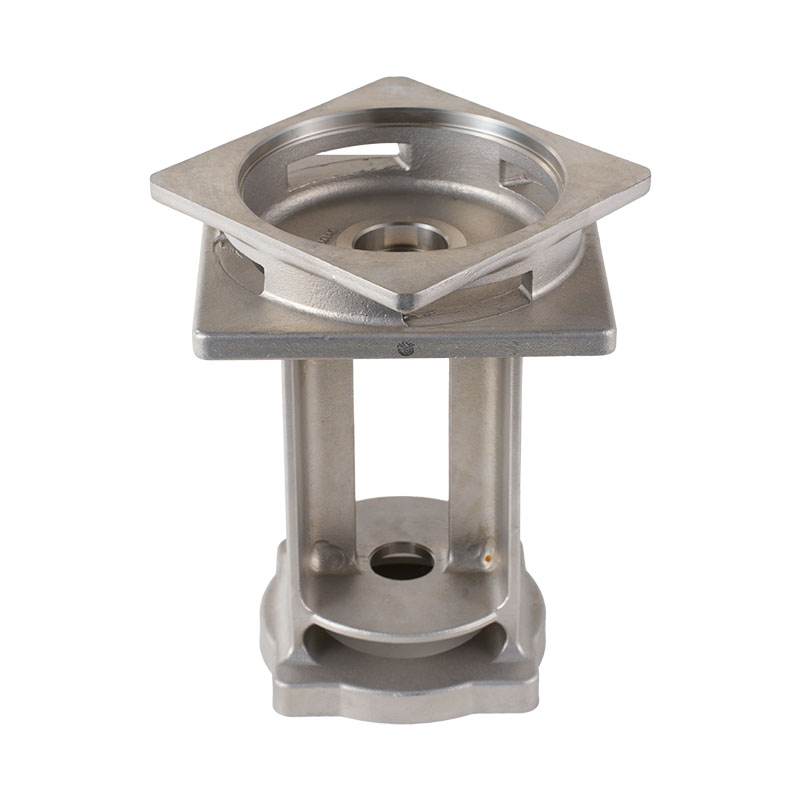
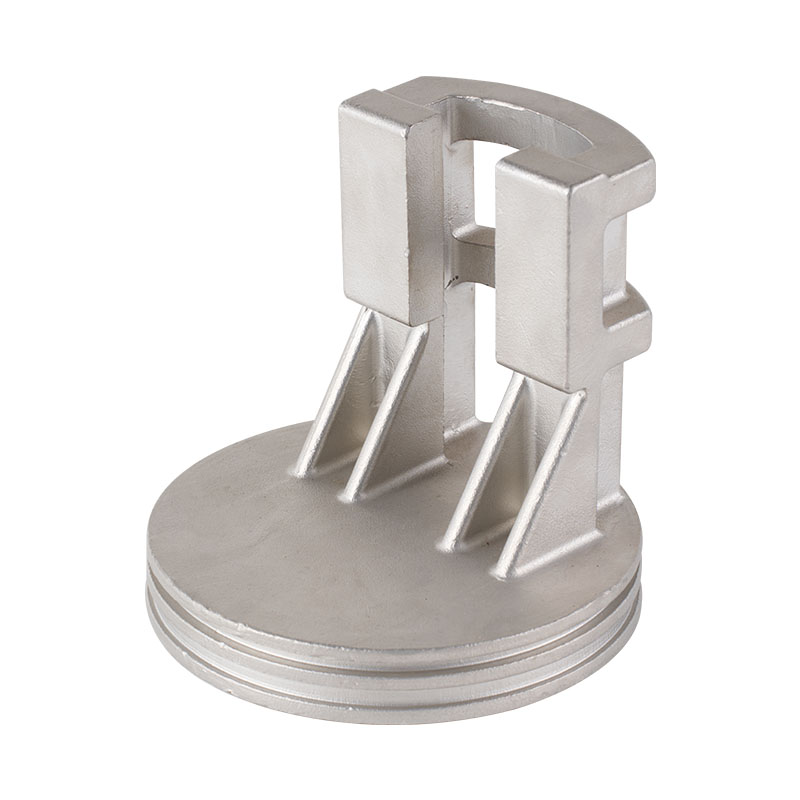
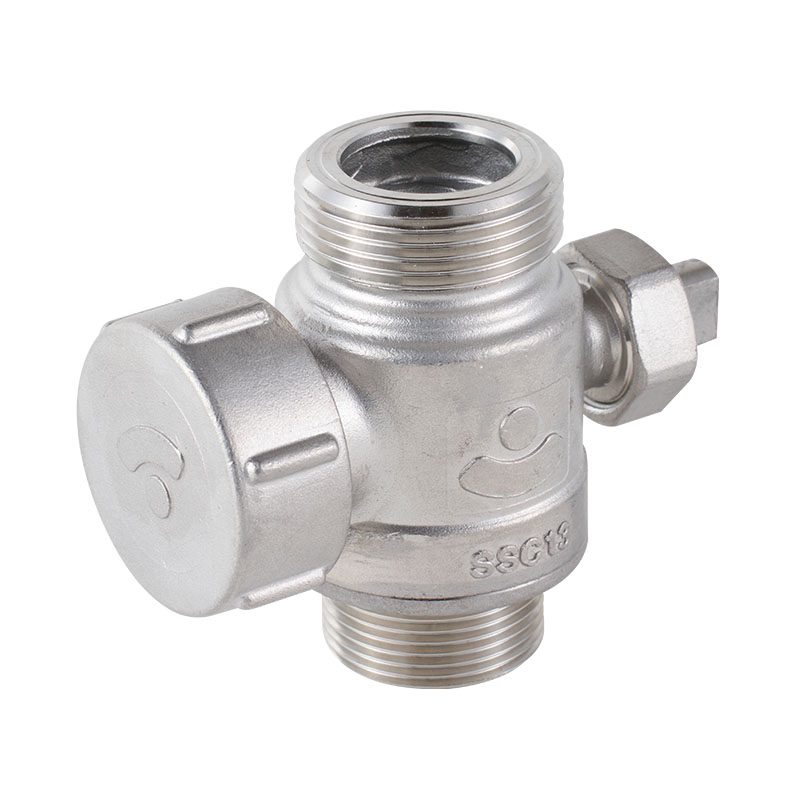
Industrial fluid systems require durable, corrosion-resistant components. Chemical plants. Marine environments. Food processing. Pharmaceutical production. Without suitable materials, valve bodies corrode and systems fail. A stainless steel casting valve body delivers the corrosion resistance and strength required for aggressive service conditions. It provides a robust housing that contains system pressure. It offers material compatibility with a wide range of process fluids. It makes flow control systems more reliable and maintenance intervals longer.
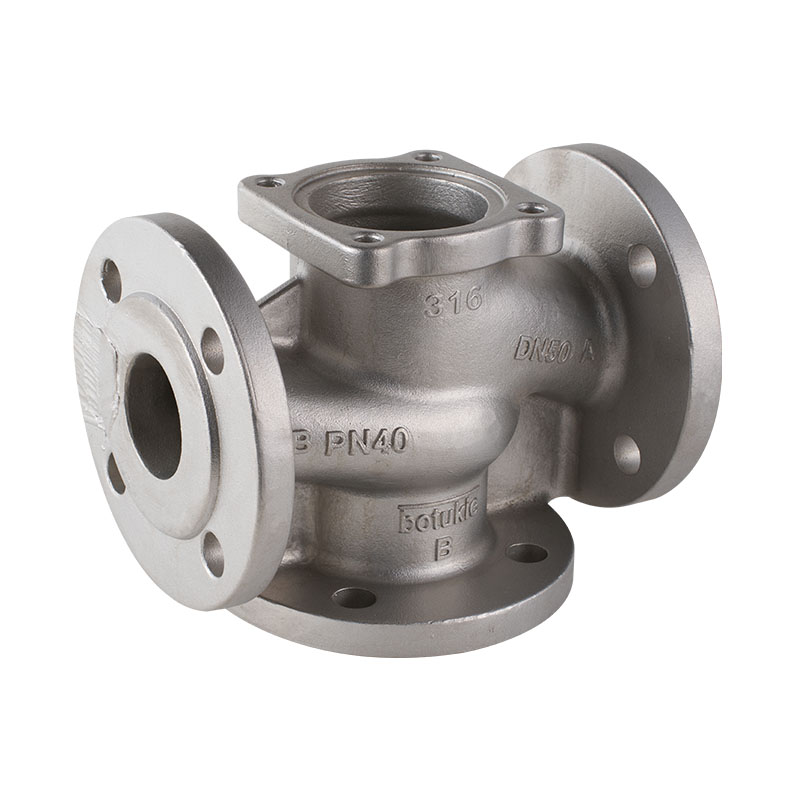
Stainless steel resists corrosion from aggressive fluids and environments
Many process fluids attack ordinary metals. A stainless steel casting valve body is manufactured from alloys that form a protective passive layer. The layer resists chemical attack. The valve body remains intact. The system stays clean.
Stainless steel provides strength at elevated temperatures
High-temperature applications require stable materials. A stainless steel casting valve body maintains its mechanical properties at operating temperatures. The body does not weaken. The valve contains the pressure. The operation is safe.
Stainless steel offers outstanding castability for complex geometries
Complex valve designs require intricate cores. A stainless steel casting valve body is produced using investment casting or precision sand casting. The process creates detailed shapes. The body is dimensionally accurate. The machining is minimized.
The body design incorporates smooth flow passages
Pressure drop affects system efficiency. A stainless steel casting valve body features streamlined flow paths that minimize turbulence. The fluid passes through smoothly. The energy loss is reduced. The system operates efficiently.
The body provides precise mounting for the valve trim
Discs, seats, and shafts require accurate alignment. A stainless steel casting valve body has machined bores and mounting faces that hold the trim components. The disc rotates smoothly. The seat seals tightly. The valve operates consistently.
The body includes flanges or connections for pipeline installation
Installation requires standardized connections. A stainless steel casting valve body is available with flanged, threaded, or welded ends. The connection matches the piping system. The installation is straightforward. The system is assembled.
Typical specifications for stainless steel casting valve bodies:
Chemical and petrochemical processing plants
Corrosive chemicals require compatible materials. A stainless steel casting valve body is used for acids, solvents, and caustics. The body resists the fluid. The valve controls the flow. The process continues safely.
Food and beverage production facilities
Hygienic processing demands cleanable materials. A stainless steel casting valve body is used for food-grade applications. The body has smooth surfaces that resist bacterial growth. The valve is easy to clean. The product remains pure.
Pharmaceutical and biotechnology manufacturing
Sterile processes require non-reactive materials. A stainless steel casting valve body is specified for clean applications. The body does not leach contaminants. The valve maintains purity. The product is safe.
Marine and offshore installations
Saltwater environments accelerate corrosion. A stainless steel casting valve body is used for seawater and brine services. The body resists pitting and crevice attack. The valve operates reliably. The system remains functional.
Material composition must be verified by testing
Certification provides assurance. A stainless steel casting valve body should be supplied with material test reports. The chemistry meets the specification. The corrosion resistance is ensured. The valve is qualified.
Radiographic inspection detects internal defects
Porosity compromises pressure integrity. A stainless steel casting valve body should be examined radiographically for internal soundness. The casting is free of defects. The body holds pressure. The valve is safe.
Dimensional accuracy must be confirmed on critical mating surfaces
Sealing requires precision. A stainless steel casting valve body should be inspected for flange flatness and bore concentricity. The connections seal properly. The trim fits correctly. The valve operates smoothly.
Pressure testing validates the body's containment capability
Hydrostatic testing confirms integrity. A stainless steel casting valve body should be tested at 1.5 times the rated pressure. The body holds the test pressure. The valve is certified. The system is protected.
A stainless steel casting valve body is the foundation of corrosion-resistant flow control. But it determines whether a valve withstands aggressive service conditions or fails prematurely. It decides whether maintenance intervals are measured in years or months. Choose a valve body with verified material composition, sound casting integrity, confirmed dimensional accuracy, and certified pressure testing. Your fluid systems will be reliable. Your operations will be protected. That is the purpose of a stainless steel casting valve body. To deliver the corrosion resistance and strength that demanding applications require.