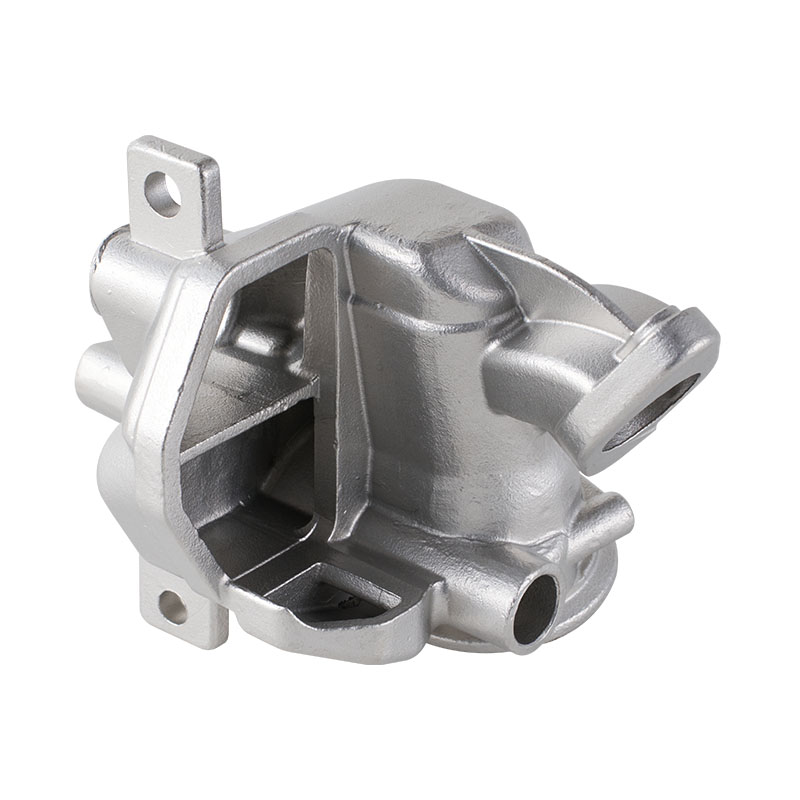
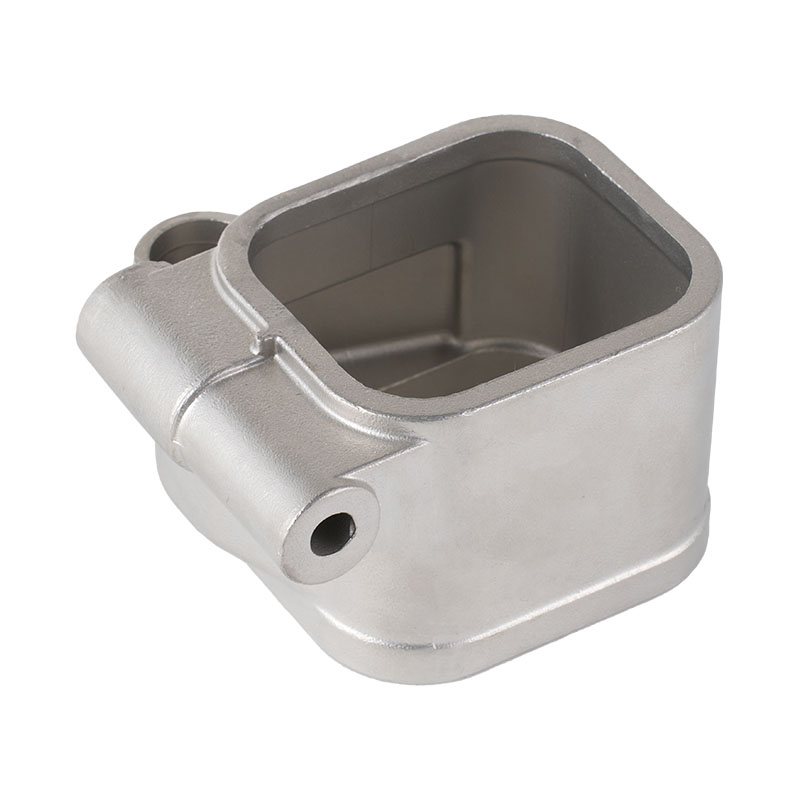
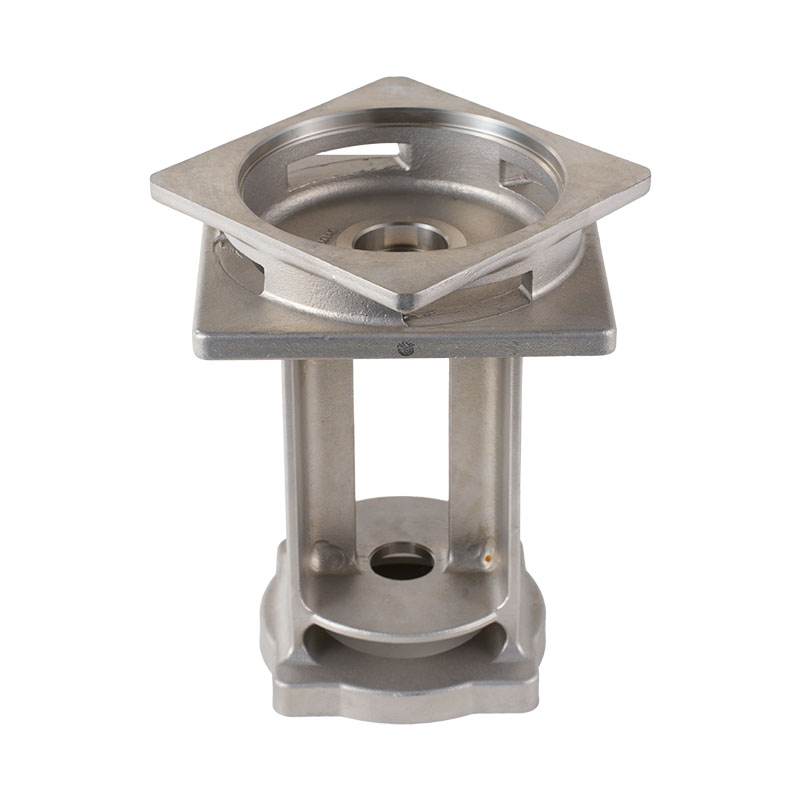
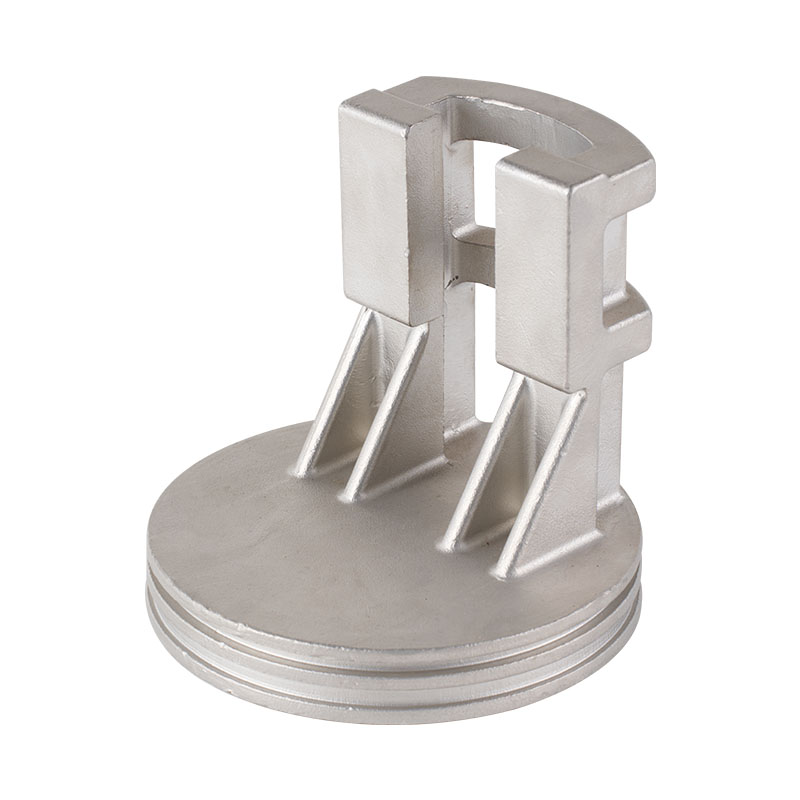
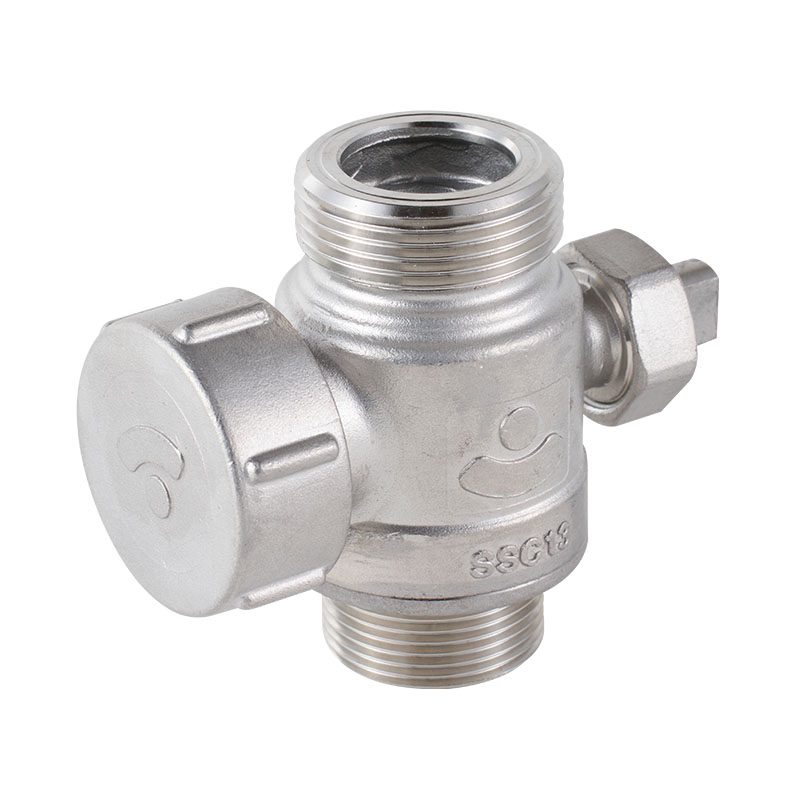
Industrial systems require reliable pressure relief to prevent catastrophic failures. Boilers. Pressure vessels. Pipelines. Storage tanks. Without dependable safety valves, overpressure events cause equipment damage and safety hazards. Stainless steel safety valve casting parts deliver the structural integrity required for pressure relief applications. They provide corrosion-resistant materials that withstand harsh process fluids. They ensure precise dimensional accuracy for consistent set pressures. They make pressure relief systems safer and more reliable.
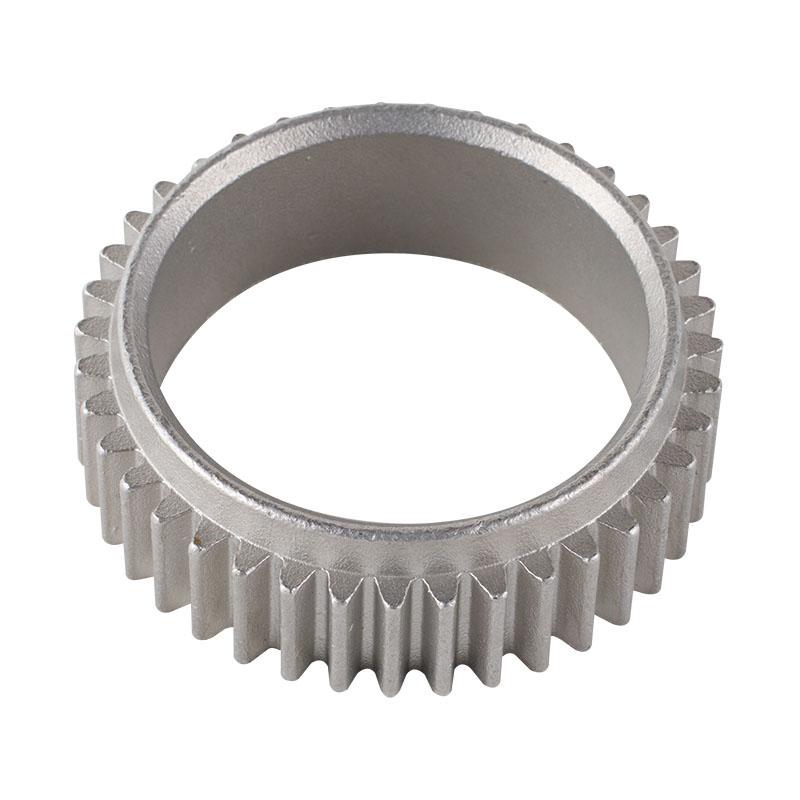
The casting provides the pressure-retaining boundary for the valve body and bonnet
The valve body contains system pressure. Stainless steel safety valve casting parts form the primary pressure boundary. The casting is designed for the pressure rating. The valve retains the fluid. The system is contained.
The casting supports the internal mechanism that controls relief
Moving parts require stable mounting. Stainless steel safety valve casting parts provide the structure for discs, guides, and springs. The mechanism operates smoothly. The valve opens at the set point. The pressure is released.
The casting's dimensional accuracy affects the valve's set pressure
Precision is essential for correct operation. Stainless steel safety valve casting parts have machined surfaces that determine the disc seat geometry. The set pressure is consistent. The valve operates accurately. The system is protected.
Alloy selection determines corrosion resistance
Stainless steels provide the required protection. Stainless steel safety valve casting parts are available in CF8, CF8M, CF3M, 316L, and 304L. The alloy matches the fluid. The casting resists corrosion. The component lasts.
Casting defects are unacceptable in safety-critical components
Flaws compromise pressure retention. Stainless steel safety valve casting parts are produced with controlled processes that less porosity and inclusions. The casting is inspected for defects. The integrity is confirmed. The valve is safe.
Machining creates the sealing geometry
Sealing surfaces require precision. Stainless steel safety valve casting parts have seat faces and guide bores machined to tight tolerances. The sealing is effective. The valve seats tightly. The leakage is prevented.
Common specifications for stainless steel safety valve castings:
Oil and gas processing facilities
Refineries and processing plants require pressure relief. Stainless steel safety valve casting parts are used in separators, heat exchangers, and pressure vessels. The castings withstand corrosive environments. The valves protect the equipment. The facility operates safely.
Chemical and petrochemical manufacturing
Corrosive fluids demand reliable materials. Stainless steel safety valve casting parts are specified for chemical service. The castings resist attack from acids and solvents. The valves operate reliably. The process is contained.
Pharmaceutical and biotechnology production
Clean processes require hygienic materials. Stainless steel safety valve casting parts are used in sterile applications. The castings have smooth surfaces that resist contamination. The valves maintain purity. The product is protected.
Power generation and steam systems
High-temperature service demands robust components. Stainless steel safety valve casting parts are used in boilers and steam lines. The castings withstand thermal cycling. The valves relieve excess pressure. The plant remains safe.
Material traceability provides confidence in the component
Every casting must be traceable to its melt. Stainless steel safety valve casting parts should be supplied with material test certificates. The chemistry is verified. The properties meet the standard. The casting is qualified.
Non-destructive testing detects flaws that compromise integrity
Safety components require thorough inspection. Stainless steel safety valve casting parts should undergo dye penetrant and radiographic testing. Defects are identified. The casting is sound. The valve is safe.
Hydrostatic testing confirms pressure-holding capability
The casting must hold system pressure. Stainless steel safety valve casting parts should be hydrostatically tested. The casting holds the test pressure. The integrity is confirmed. The relief system is reliable.
Dimensional verification ensures correct assembly and function
Critical dimensions must be confirmed. Stainless steel safety valve casting parts should be inspected for key dimensions. The seat faces are flat. The bores are concentric. The valve operates as designed.
Stainless steel safety valve casting parts provide the foundation for overpressure protection systems. But they determine whether a facility is protected from overpressure events or at risk of failure. Choose castings with appropriate material certification, verified integrity, tested pressure-holding capability, and confirmed dimensional accuracy. Your pressure systems will be safe. Your operations will be protected. That is the purpose of stainless steel safety valve casting parts. To deliver the precision and durability that pressure relief systems demand.