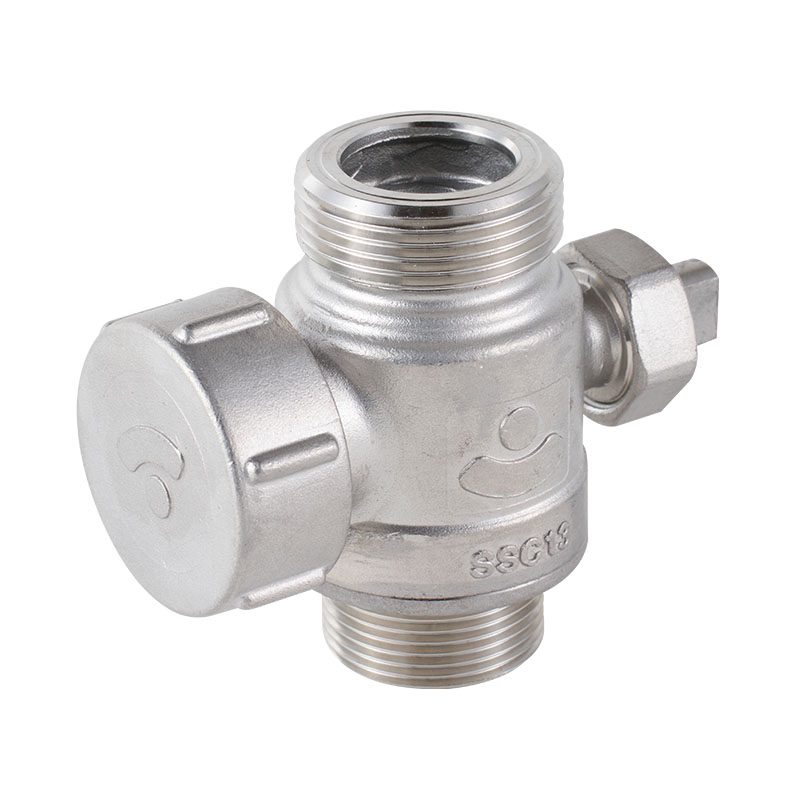
You've seen ball valves before. They're everywhere—plumbing, industrial piping, gas lines, water treatment. But not all ball valves are built the same way. A 3-piece ball valve casting is the foundation of a valve that's easier to maintain, more reliable, and built to last. It's called "3-piece" because the body comes in three sections—two end caps and a center section. This design lets you service the valve without pulling it out of the pipeline.
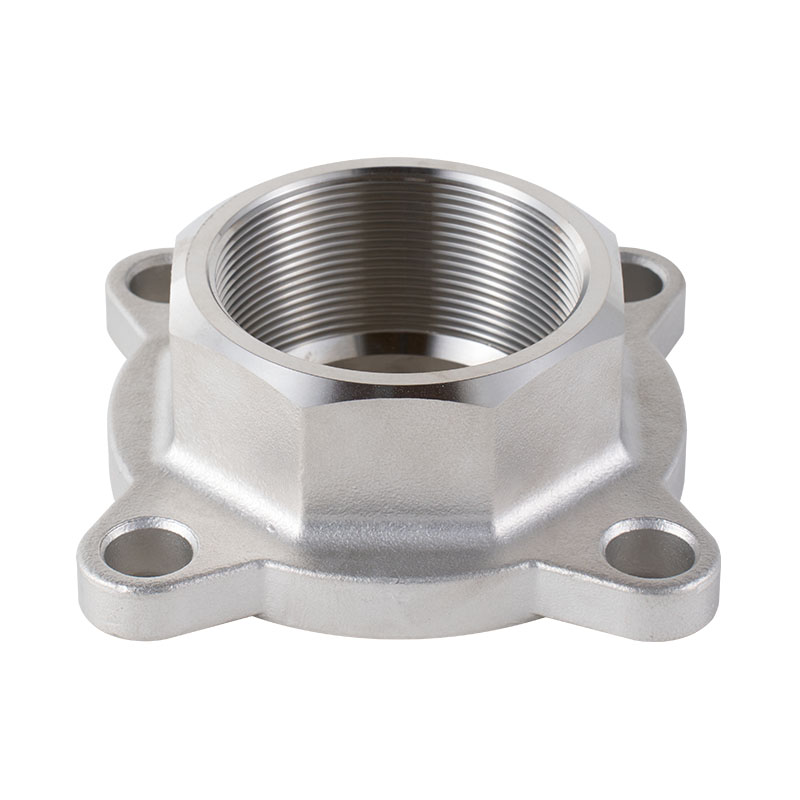
The three-piece design means you can service it in place
A one-piece or two-piece ball valve requires you to remove the entire valve from the pipe to replace seals or clean the ball. A 3-piece ball valve casting allows you to unbolt the center section from the end caps and pull the internal components out without disturbing the pipe connections. That's a huge time-saver when you're maintaining a system that can't be shut down for long.
The casting process determines the valve's strength
The body of a 3-piece ball valve is made from cast materials—stainless steel, carbon steel, brass, or ductile iron. A 3-piece ball valve casting manufacturer uses precision casting techniques to create a body that's free from porosity and structural defects. The casting has to hold pressure, resist corrosion, and maintain dimensional stability over years of use.
The material choice affects performance
Different fluids, different temperatures, different pressures. A 3-piece ball valve casting is available in a range of materials. Stainless steel (CF8, CF8M) for corrosive fluids. Carbon steel for high-pressure applications. Brass for water and air. The material has to match the service conditions, or the valve won't last.
The center section
This is the main body that holds the ball and the seats. A 3-piece ball valve casting manufacturer produces the center section with precision-machined bores that hold the ball and seals. The internal surfaces have to be smooth to allow the ball to rotate freely without leaks.
The end caps
These bolt onto the center section. A 3-piece ball valve casting has end caps that are cast separately and then machined to match the center section. They have threaded, flanged, or welded ends to connect to the pipeline. The mating surfaces have to be flat and true to ensure a leak-free seal when bolted together.
The ball and seats
The ball is the rotating element that controls flow. It's machined from a casting or forged blank, then polished to a smooth finish. The seats are the sealing elements—usually PTFE, reinforced PTFE, or metal—that seal against the ball. A 3-piece ball valve casting manufacturer ensures the ball and seats are matched to the body for a tight seal.
The bolts and hardware
The three sections are held together by bolts or studs. A 3-piece ball valve casting manufacturer uses high-strength hardware that can handle the pressure and temperature of the service. The bolts are torqued to spec, and the gaskets seal the joints.
Common specs for 3-piece ball valve castings:
Chemical and petrochemical processing
Corrosive fluids, high temperatures, high pressures. A 3-piece ball valve casting in stainless steel is standard in chemical plants. The design allows maintenance without shutting down the entire process line—critical for continuous operations.
Oil and gas pipelines
Pipeline valves need to be reliable and serviceable. A 3-piece ball valve casting lets operators maintain the valve without cutting the pipe or shutting down the system. Cast carbon steel bodies handle the pressure, and the bolted construction allows access for cleaning and seal replacement.
Water and wastewater treatment
Water isn't aggressive, but the environment can be. A 3-piece ball valve casting in ductile iron or brass is common in water applications. The bolted design makes it easy to replace seals when they wear out.
Power generation
Steam and high-temperature water require valves that hold up under pressure. A 3-piece ball valve casting in high-grade stainless steel or alloy steel handles the bad conditions. The design allows maintenance during scheduled outages.
Material grade
The casting material has to match the service. A 3-piece ball valve casting in the wrong grade won't last. CF8M is better than CF8 for corrosive service. WCB is fine for moderate temperatures but not for bad high heat. Know your operating conditions before you specify.
Casting quality
Porosity, inclusions, and shrinkage are defects that compromise pressure retention. A 3-piece ball valve casting manufacturer with good quality control uses X-ray or dye penetrant inspection to detect internal flaws. If they don't test, don't buy.
Machining accuracy
The cast body has to be machined to tight tolerances for the valve to seal properly. A 3-piece ball valve casting that's out of spec will leak or bind. The manufacturer should have CNC machining capabilities and documented quality checks.
Seat compatibility
The seat material has to work with the fluid and temperature. PTFE is standard for most applications but has a temperature limit. Reinforced PTFE or metal seats are needed for higher temperatures or abrasive fluids. The valve body has to accommodate the seat material you need.
Testing and documentation
Every valve should be pressure-tested before it leaves the factory. A 3-piece ball valve casting manufacturer should provide test certificates—hydrostatic shell test and seat leakage test. If they can't document the tests, the valve is unproven.
Hardware quality
The bolts and gaskets that hold the three pieces together are critical. A 3-piece ball valve casting manufacturer should use corrosion-resistant bolts (stainless or coated) and gaskets that match the service conditions. If the hardware fails, the valve leaks.
A 3-piece ball valve casting gives you a valve that's built to last and easy to keep running. The three-piece design means you don't have to cut it out of the line to service it. The casting quality, material grade, and machining accuracy determine how well it performs. And the manufacturer behind it—whether they test, inspect, and document—makes all the difference. Choose one that does.