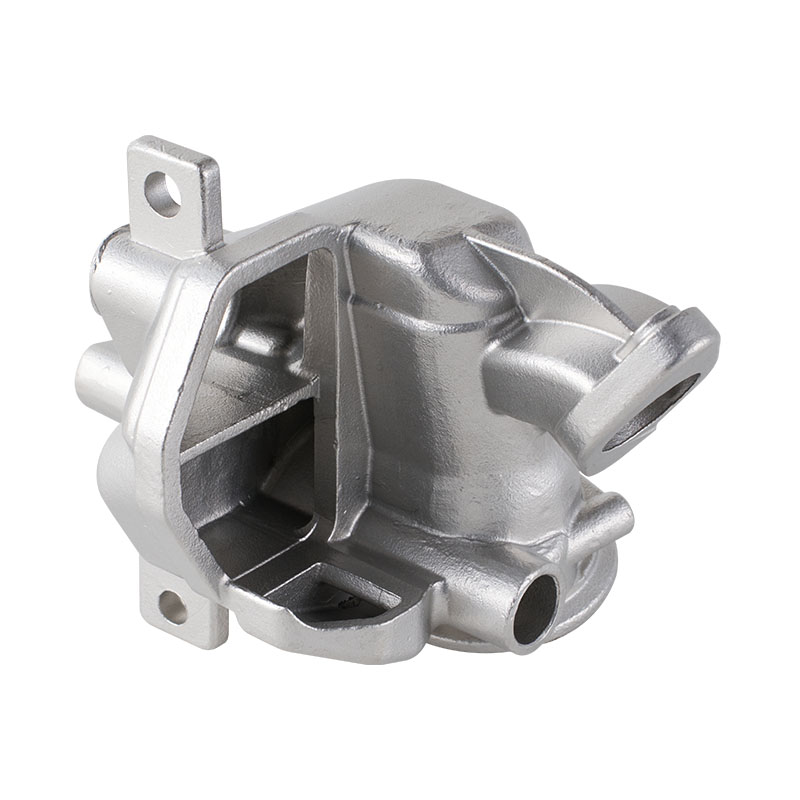
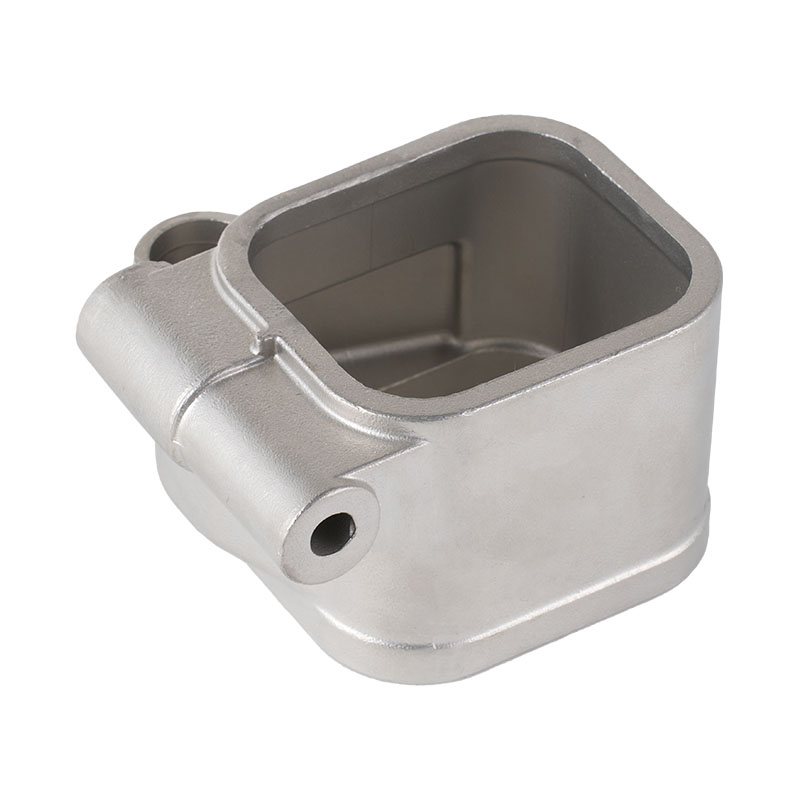
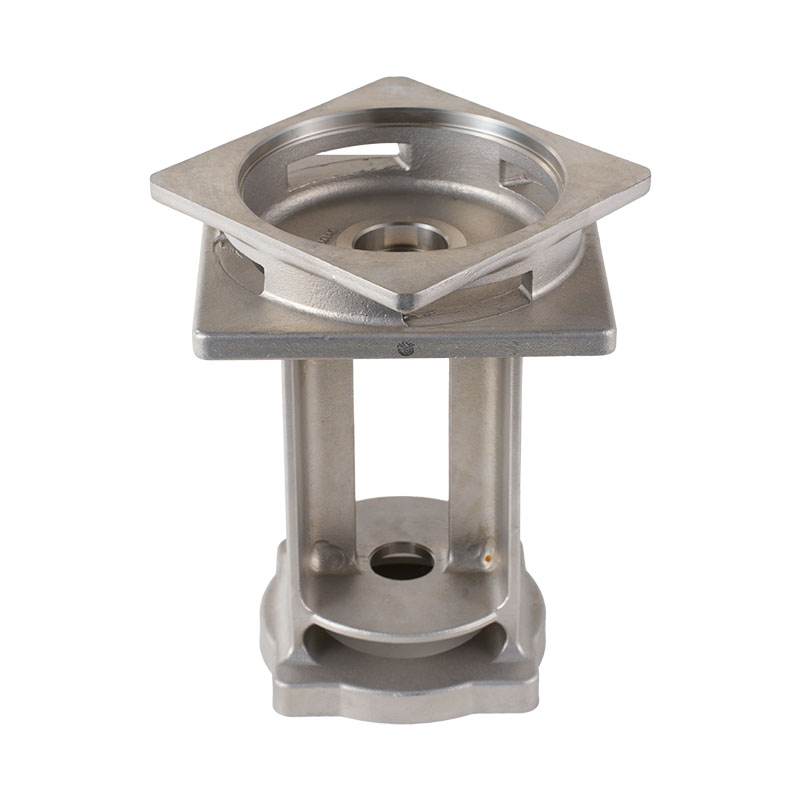
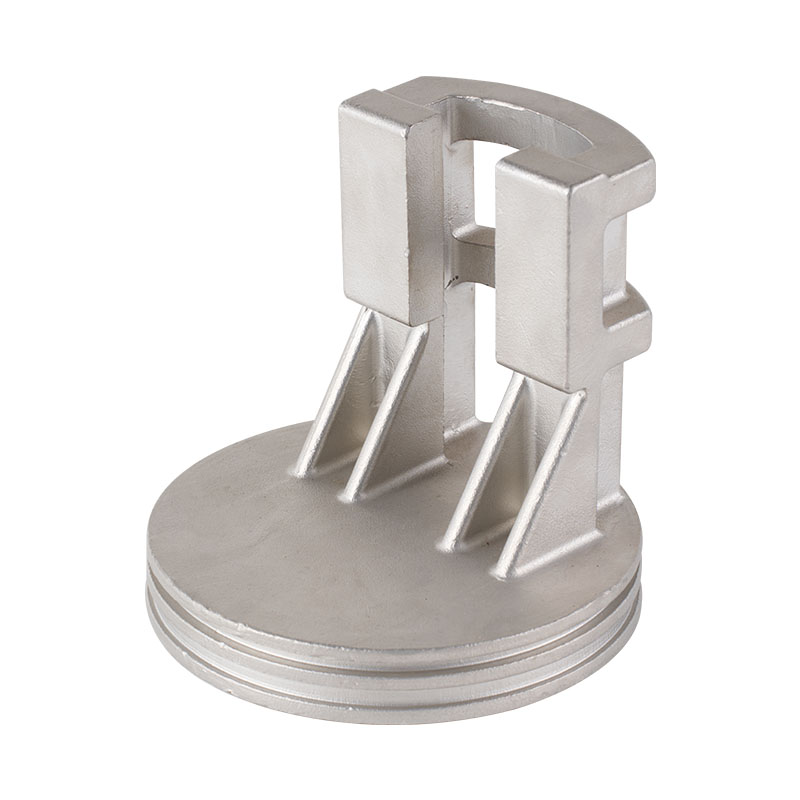
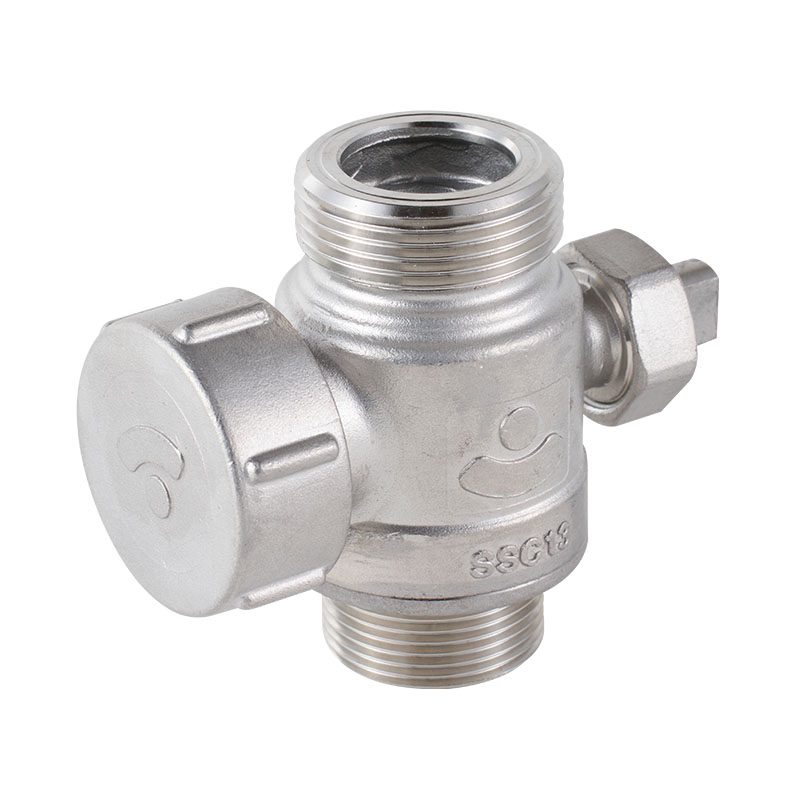
Fluid equipment used in industrial processing now requires more stable and adjustable flow control than before, and Butterfly Disc together with Regulating Valve Casting is becoming an important part of this transition. These valve components are being developed to support smoother movement, balanced flow regulation, and more accurate control in systems handling water, gas, steam, chemicals, and other industrial media. This article explains how regulating valve casting technology is improving precision control in fluid equipment, what structural changes are influencing valve performance, and why these developments matter for daily industrial operation.
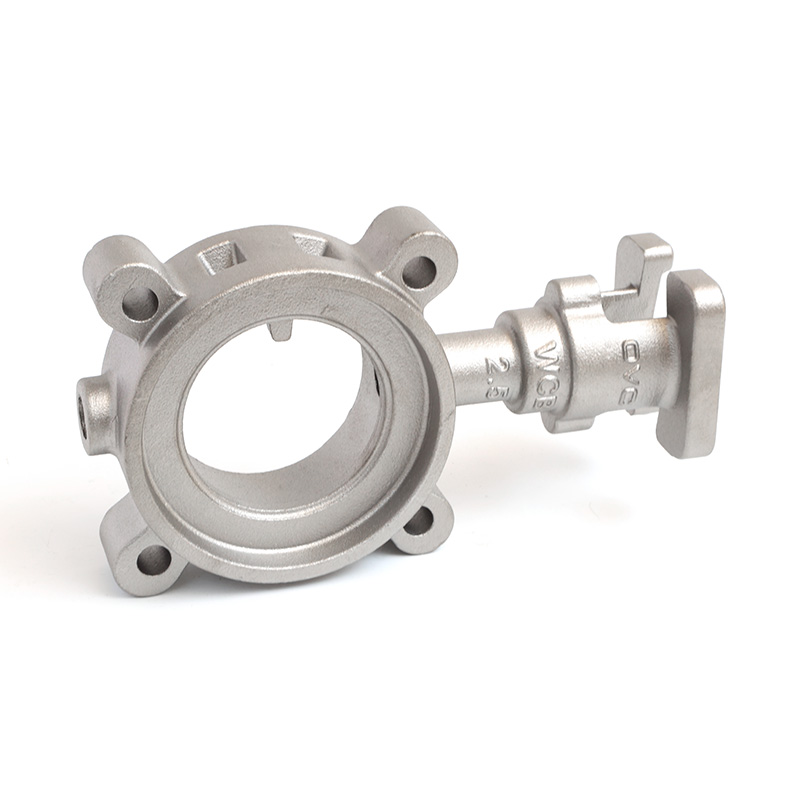
Many industrial systems no longer operate under fixed flow conditions. Modern production lines often adjust pressure, temperature, and flow rate continuously according to sensor feedback and automated control signals. As a result, valves are expected to perform more than simple shut-off functions. They are now used as active control components inside fluid equipment.
Traditional valve structures sometimes struggle with precision adjustment during partial opening positions. Uneven movement, excessive operating torque, or unstable internal flow may affect control consistency. In fluid systems where small pressure changes influence production quality, inaccurate regulation can create operational difficulties.
Butterfly Disc structures are widely used because their rotational movement allows gradual flow adjustment within a relatively compact valve body. When combined with carefully designed regulating valve castings, these systems can support smoother operation during repeated adjustment cycles.
Casting quality has become increasingly important in this process. Internal surface smoothness, wall thickness balance, and dimensional accuracy all affect how fluid moves through the valve body. If casting geometry creates turbulence or uneven pressure zones, flow control accuracy may decrease during operation.
Another factor influencing precision control is actuator compatibility. Automated systems commonly use electric or pneumatic actuators to adjust valve position based on digital control signals. Valve structures that move smoothly with lower resistance may help maintain more stable response during continuous operation.
Recent developments in Regulating Valve Casting technology are focused on improving flow consistency and movement stability inside fluid equipment. Rather than increasing component size, many manufacturers are redesigning internal structures to achieve more balanced operation.
One important adjustment involves the internal flow path. Modern valve bodies increasingly use smoother transition areas to guide fluid movement through the valve more evenly.
Butterfly disc geometry has also changed in recent years. Earlier disc structures often used flat-edge profiles that created uneven pressure distribution during flow adjustment. Newer designs may include curved edges or streamlined contours that support more stable fluid movement across different opening angles.
Precision machining is another important factor. Regulating valves require accurate alignment between sealing surfaces, shaft connections, and rotating components. Improved machining accuracy helps reduce unnecessary friction and supports more controlled valve movement.
Several structural developments currently used in fluid equipment include:
|
Valve Area |
Structural Adjustment |
Practical Function |
|
Butterfly Disc Edge |
Streamlined contour design |
Supports smoother flow transition |
|
Internal Flow Channel |
Reduced sharp-angle geometry |
Helps lower turbulence |
|
Shaft Connection Area |
Reinforced support sections |
Improves rotational stability |
|
Valve Seat Surface |
Precision-machined contact area |
Supports controlled sealing |
|
Casting Wall Distribution |
Balanced thickness design |
Reduces uneven stress concentration |
Material selection also influences control stability. Stainless steel, ductile iron, carbon steel, and alloy castings are commonly selected according to fluid type, operating temperature, and pressure conditions. Some applications also require corrosion-resistant coatings or surface treatments to maintain consistent valve movement over time.
Regulating valve castings are now used across a wide range of fluid equipment because industrial systems increasingly depend on adjustable flow management. Different industries apply these valves under different operating conditions, but precision control remains a common requirement.
Water treatment facilities use regulating valves to control filtration flow, chemical dosing, and pressure balancing operations. Since treatment systems often adjust flow continuously throughout the day, stable valve positioning becomes important for maintaining consistent operation.
Chemical processing systems also depend on precise flow control, particularly when handling temperature-sensitive or reactive materials. In these environments, smooth valve movement may help reduce sudden pressure variation during production cycles.
HVAC circulation equipment frequently uses butterfly disc regulating valves to manage heating and cooling distribution. Automated building systems adjust water flow according to changing environmental conditions, making stable regulation important for daily operation.
Several practical application areas include:
Compact valve structures also make butterfly disc regulating systems suitable for equipment installations where pipeline space is limited.