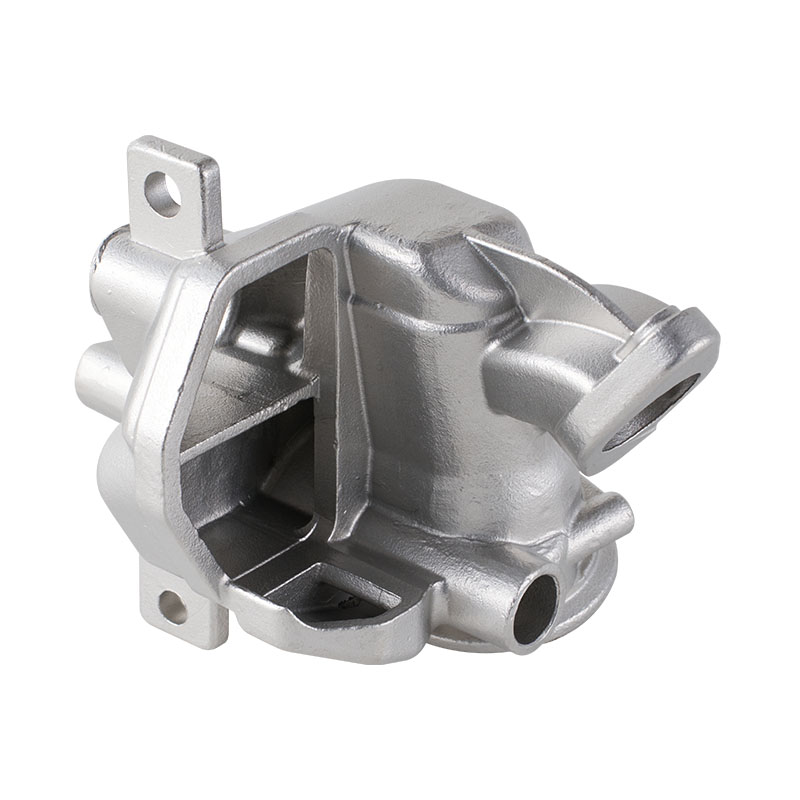
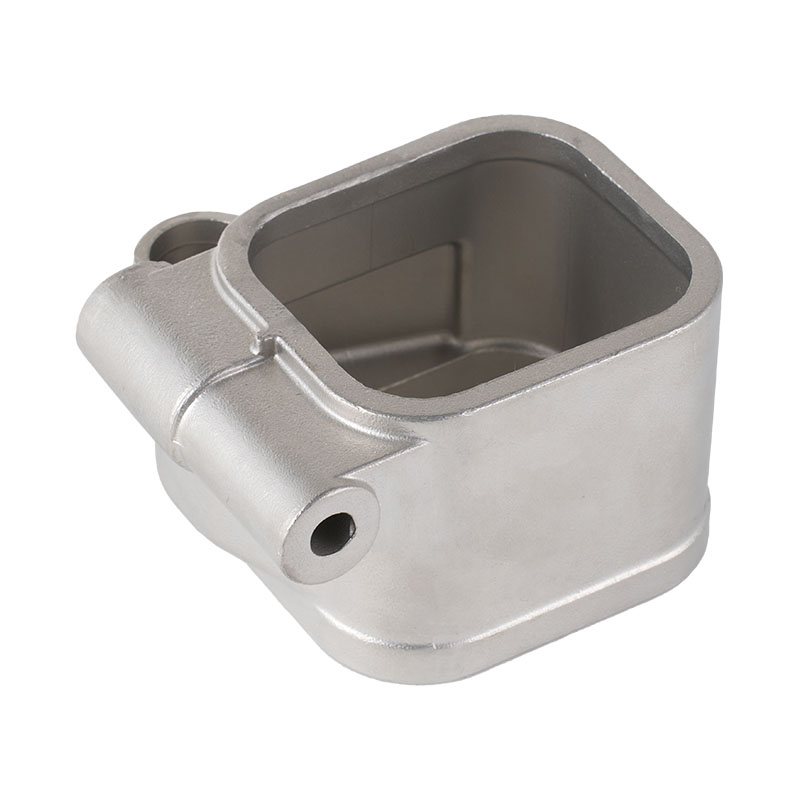
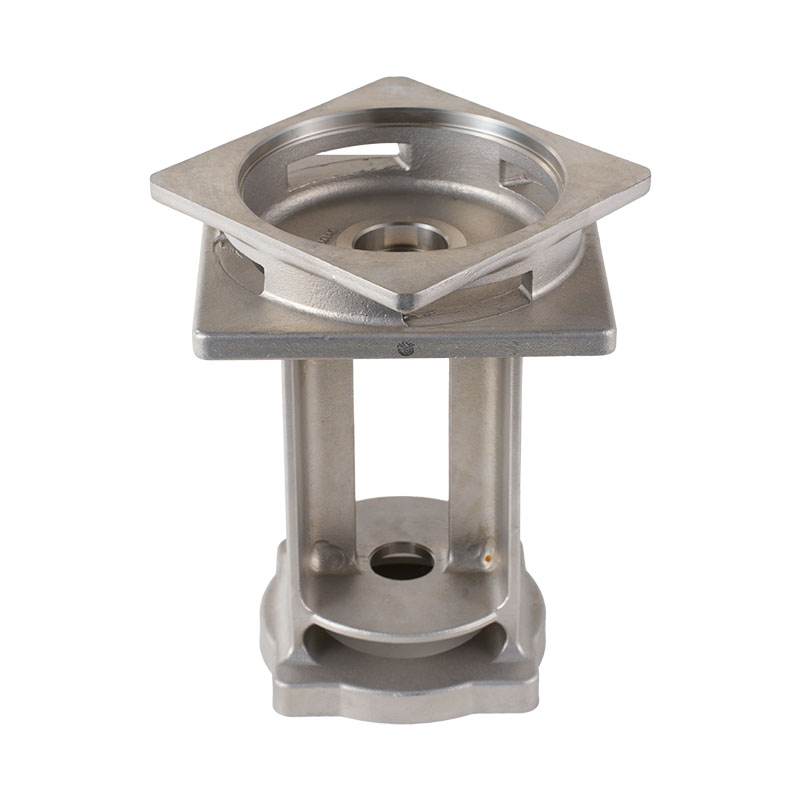
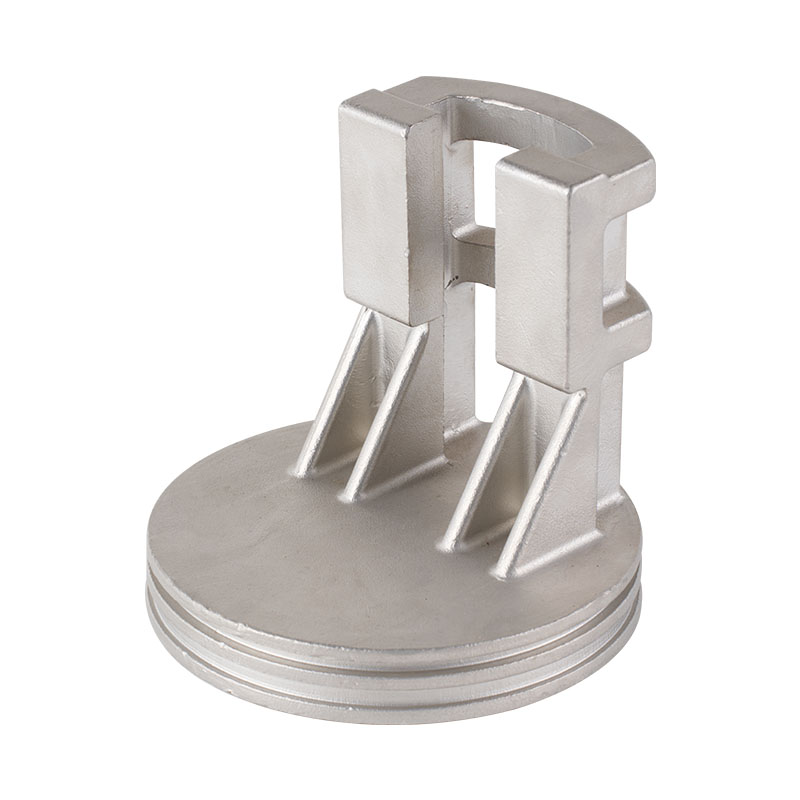
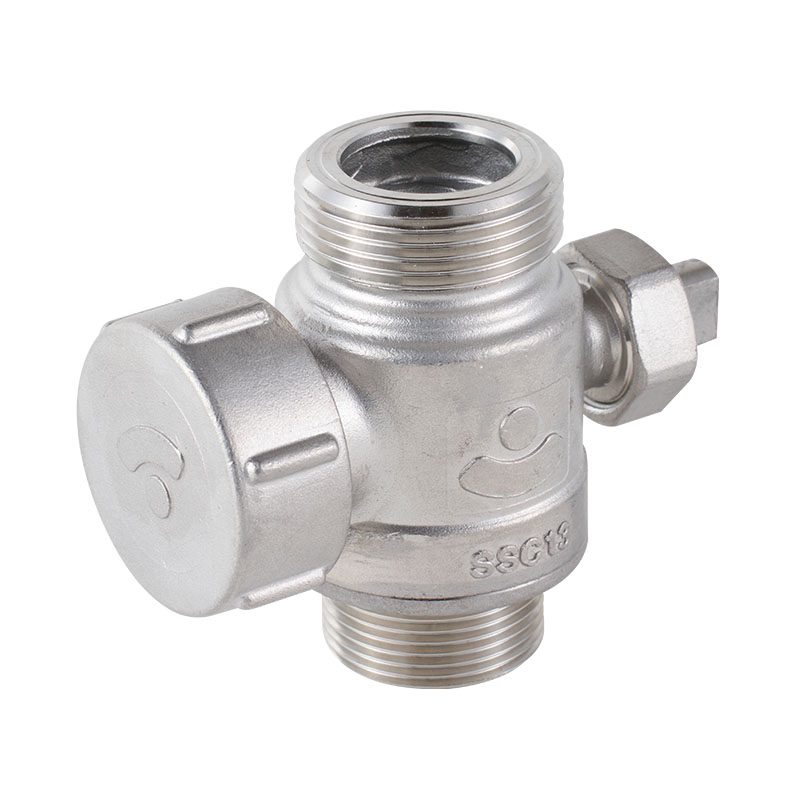
Continuous pipeline operation places constant stress on valve components, especially in systems where flow adjustment happens frequently. Butterfly Disc and Regulating Valve Casting are increasingly used in modern pipeline systems because their structural design can help reduce mechanical wear, lower movement resistance, and support smoother media control during repeated operation cycles. This article examines how butterfly disc structures influence wear conditions, what changes are being made in valve casting technology, and why these developments matter for industrial pipeline management today.
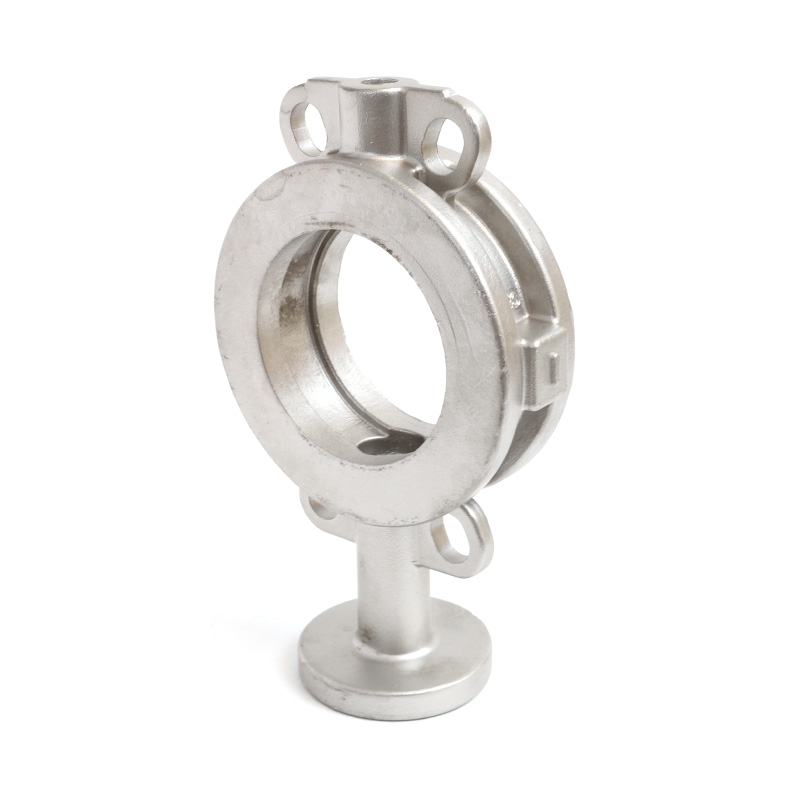
Industrial pipelines operate under a wide range of conditions, including high flow velocity, pressure fluctuation, suspended particles, temperature variation, and continuous opening and closing cycles. Over time, these conditions can affect valve surfaces, sealing areas, shafts, and internal flow channels. Wear inside the valve does not always appear immediately, but gradual material loss may influence flow stability and increase maintenance frequency.
Traditional valve structures sometimes experience concentrated stress around sealing edges or shaft connection points. In regulating systems, partial opening positions may also expose certain valve areas to continuous media impact. If fluid flow creates turbulence or uneven pressure distribution, internal components may wear unevenly during long operating periods.
Butterfly disc structures are now being redesigned to address these issues through more balanced flow control and smoother movement characteristics. Instead of focusing only on shut-off performance, current valve development also considers how the internal structure behaves during repeated adjustment cycles.
Regulating Valve Casting methods is also changing because valve manufacturers are paying closer attention to internal geometry, wall thickness distribution, and casting precision. These adjustments may help reduce vibration, support more stable disc movement, and decrease unnecessary contact stress between moving components.
Another factor influencing wear is actuator operation. When valve components require excessive torque during movement, the actuator system may experience additional mechanical load. Balanced butterfly disc structures can sometimes reduce this resistance, helping valves move more smoothly during daily operation.
Several design changes are being introduced in modern butterfly disc structures to improve wear distribution and support longer operating intervals. These changes focus on flow control behavior, movement stability, and contact surface management.
One important adjustment involves disc edge geometry. Older disc designs often used thicker flat-edge structures that created stronger turbulence near the sealing area during partial opening positions. Modern butterfly discs increasingly use rounded or streamlined edges to guide fluid movement more evenly through the valve body.
Another improvement involves weight distribution across the disc. Heavy or uneven structures may create additional shaft stress during opening and closing cycles. Some manufacturers now use reinforced rib layouts or partially hollow internal structures that maintain support while reducing unnecessary mass.
Surface finishing also affects wear conditions. Machined sealing surfaces with improved smoothness can reduce friction between the disc and seat during operation. In some applications, protective coatings are added to help manage corrosion exposure and particle impact.
Several practical structural adjustments include:
Casting precision plays an important role as well. Uneven casting dimensions may create alignment problems during valve operation, which can increase localized wear over time. Modern casting processes therefore place greater emphasis on dimensional consistency and internal structural balance.
Regulating Valve Casting directly affects how the valve body handles pressure variation, media flow, and repeated movement. Since the casting forms the structural foundation of the valve, internal geometry and material quality influence both wear behavior and maintenance requirements.
Valve body design affects how fluid travels through the system. Sharp transitions or irregular internal surfaces may create turbulence zones where particles repeatedly strike the valve surface. Over time, these areas may experience accelerated wear, especially in systems transporting slurry, chemical mixtures, or water containing suspended solids.
Modern regulating valve castings often use smoother internal channel designs to guide fluid flow more gradually. This can help reduce localized pressure concentration and support more even wear distribution across the valve structure.
Material selection also influences durability under different operating conditions. Common casting materials include ductile iron, carbon steel, stainless steel, and corrosion-resistant alloys. Material choice depends on factors such as media composition, operating temperature, pressure level, and expected cycling frequency.
The following table shows several casting-related considerations in pipeline systems:
|
Valve Component Area |
Structural Focus |
Practical Purpose |
|
Valve Body Interior |
Smoother flow channel design |
Reduces turbulence concentration |
|
Butterfly Disc Surface |
Balanced structural support |
Helps distribute wear evenly |
|
Shaft Connection Area |
Reinforced casting zones |
Supports repeated movement |
|
Sealing Contact Surface |
Precision machining |
Reduces friction during closure |
|
External Coating Layer |
Corrosion management |
Supports operation in humid environments |
Rather than depending only on thicker materials, many manufacturers now focus on balanced structural design to support more stable long-term operation.