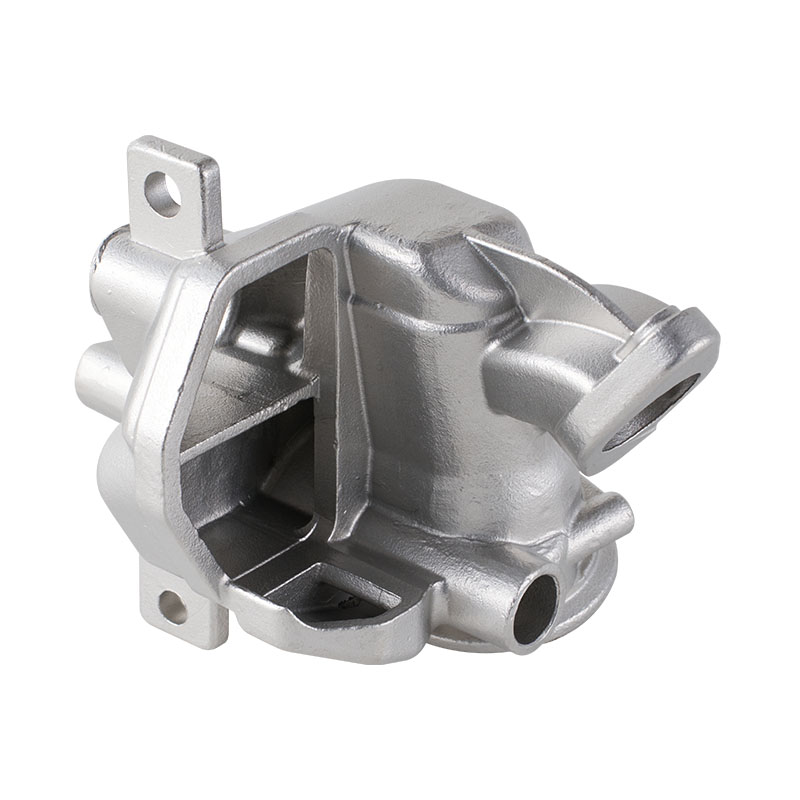
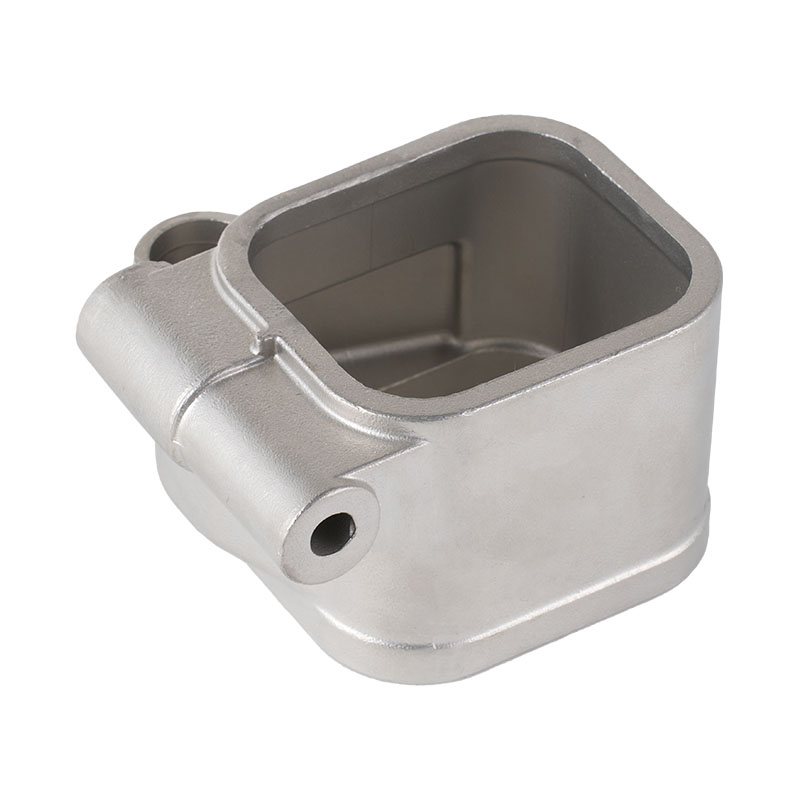
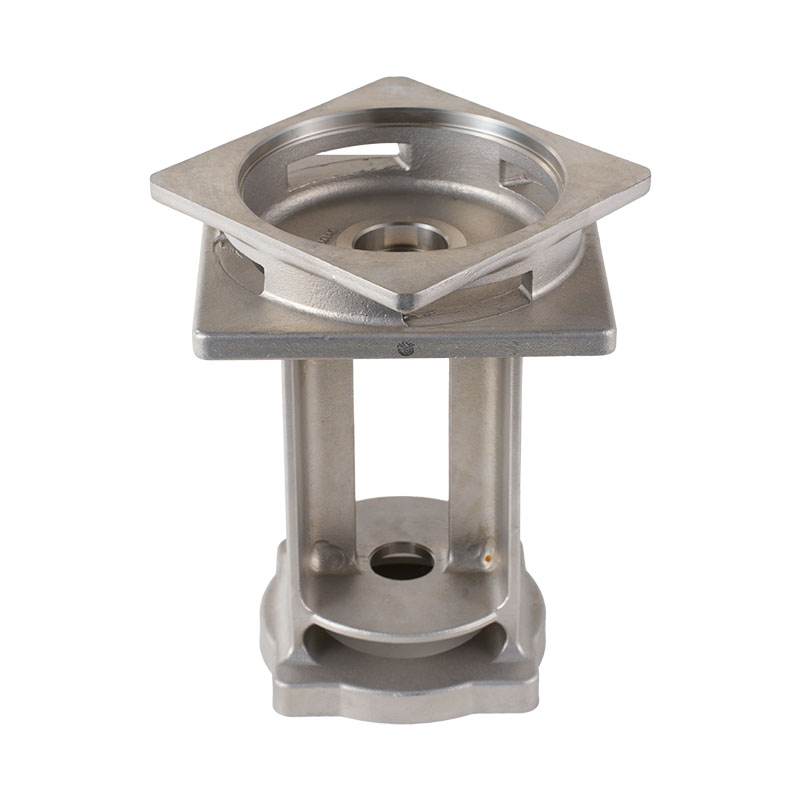
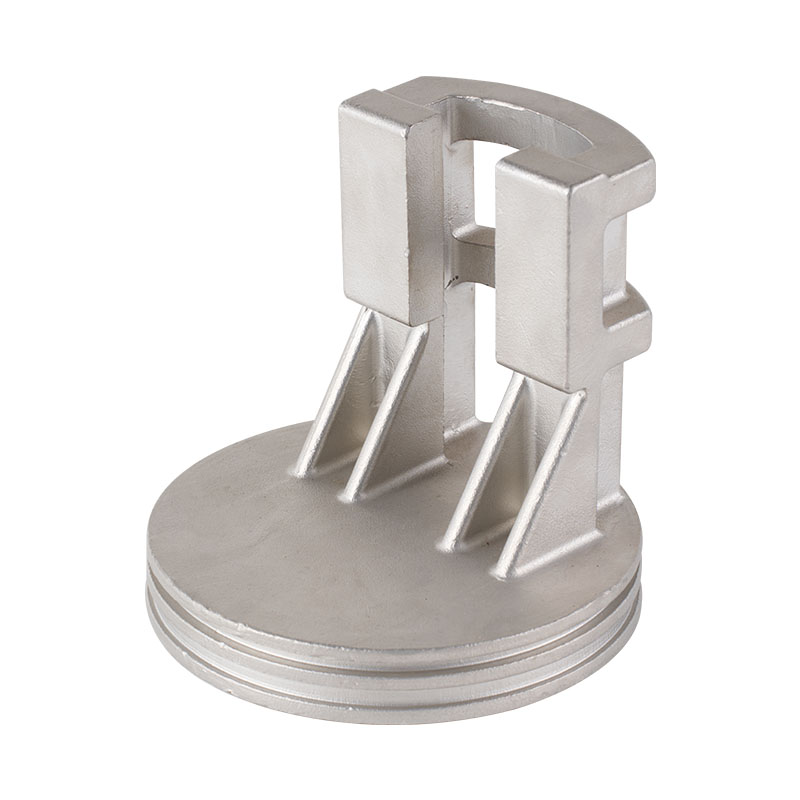
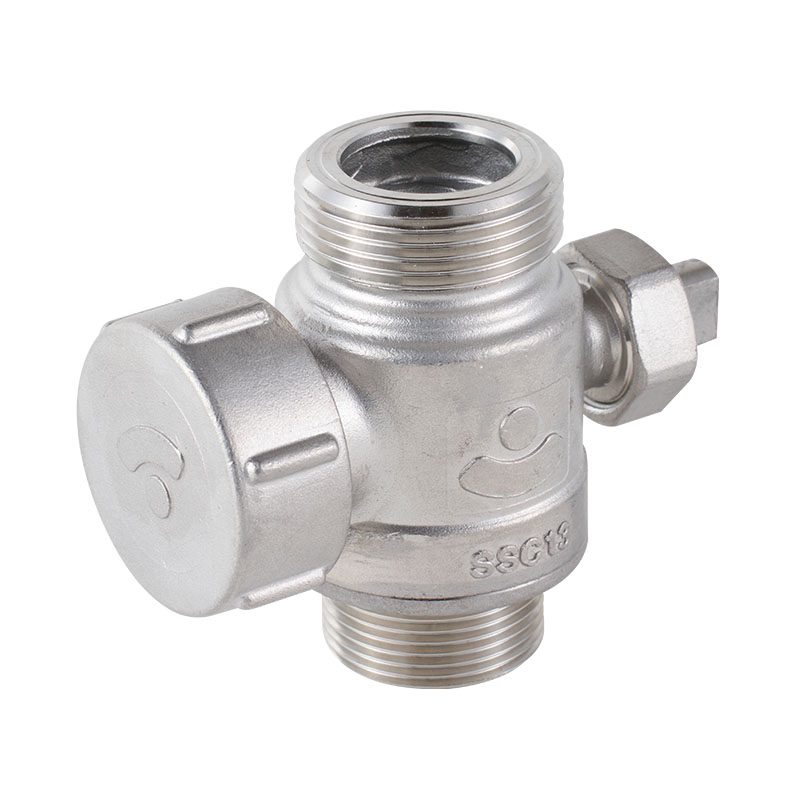
Stable flow adjustment has become increasingly important in industrial energy systems, and Butterfly Disc, together with Regulating Valve Casting plays a practical role in managing pressure, temperature, and media flow inside pipelines. These components are widely used in energy control equipment because they support controlled valve movement, structural stability, and continuous operation under changing working conditions. This article explains why regulating valve castings are commonly selected for energy control systems, how casting structures affect valve performance, and what users should consider when choosing valve components for industrial applications.
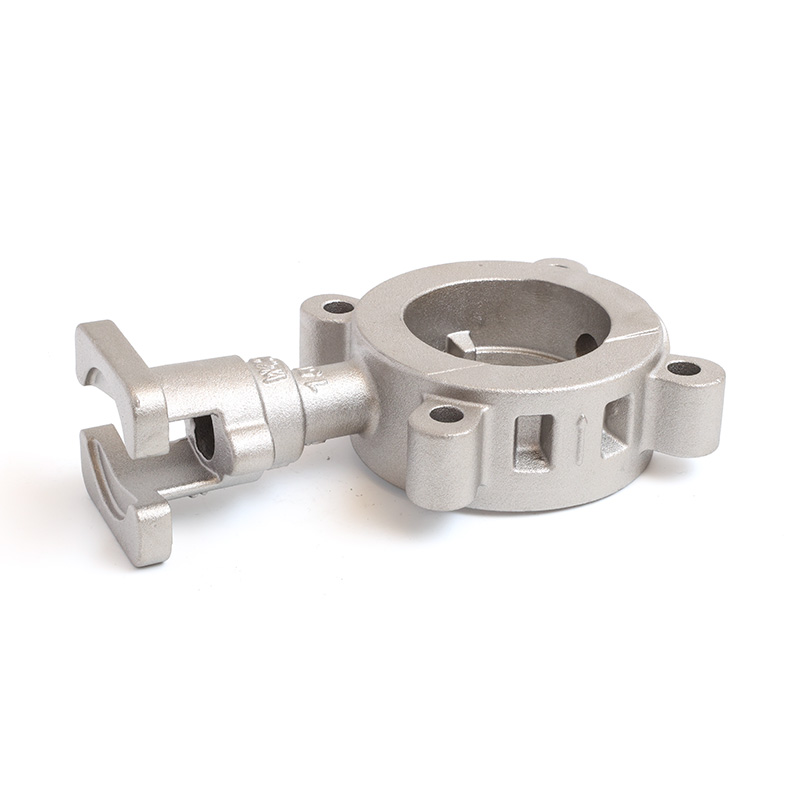
Energy control systems operate in environments where fluid movement must remain balanced over long production cycles. Whether the system handles steam, cooling water, compressed air, thermal oil, or gas transfer, valves are responsible for adjusting flow rates according to operating demand. If valve movement becomes unstable or delayed, pressure fluctuation may affect downstream equipment and reduce overall system coordination.
Traditional shut-off valves are designed mainly for opening or closing pipelines, but energy control systems usually require more gradual adjustment. Regulating valves are therefore used because they allow operators or automated systems to control media flow continuously rather than switching between only fully open or fully closed positions.
The internal structure of the valve becomes important in this process. Butterfly Disc designs help regulate fluid passage by rotating inside the valve body, while the casting structure provides the mechanical support needed for repeated movement. Since many energy systems operate continuously for extended periods, valve castings are expected to maintain dimensional consistency under varying temperatures and pressure levels.
Another practical consideration is automation compatibility. Many modern energy facilities rely on electronic monitoring and automatic control systems. Regulating valves connected to pneumatic or electric actuators must respond smoothly to control signals. Poorly balanced valve structures may increase actuator load, resulting in slower response or uneven adjustment during operation.
Recent developments in Regulating Valve Casting are focused on improving structural balance, casting precision, and long-term operational stability. Rather than simply increasing material thickness, manufacturers are redesigning valve bodies and internal components to distribute stress more evenly during operation.
One noticeable change involves flow channel geometry. Modern casting designs often use smoother internal transitions to reduce turbulence around the butterfly disc during partial opening positions. This may help improve flow consistency and reduce unnecessary vibration inside the pipeline.
Another development involves weight distribution inside the valve disc itself. Instead of using solid heavy structures, some butterfly discs now include reinforced rib patterns or partially hollow sections that reduce operating torque while maintaining structural support. Lower moving mass can help actuator systems adjust valve position more smoothly during continuous operation cycles.
Manufacturing accuracy also affects valve performance. Improved mold processing and machining methods allow tighter dimensional tolerances, which help maintain alignment between sealing surfaces and rotating components.
Several common structural adjustments are shown below:
|
Valve Structure Area |
Technical Adjustment |
Operational Purpose |
|
Butterfly Disc Surface |
Streamlined edge design |
Supports smoother media flow |
|
Internal Rib Layout |
Reinforced lightweight structure |
Reduces operating resistance |
|
Valve Body Casting |
Controlled wall thickness |
Balances strength and weight |
|
Shaft Connection |
Additional support zones |
Handles repeated actuator movement |
|
Sealing Area |
Precision machining |
Supports stable valve closure |
Material selection remains another important factor. Different energy systems expose valve components to varying temperatures, moisture levels, and chemical conditions. Ductile iron, stainless steel, carbon steel, and alloy materials are commonly selected according to operating requirements rather than using one standard material for every application.
Regulating valve castings are used in many industrial sectors because energy control systems exist in a wide range of production environments. The actual valve structure may vary depending on the media type, operating temperature, and required control accuracy.
In thermal power systems, regulating valves help control steam flow and cooling water circulation. Butterfly disc movement allows gradual flow adjustment instead of abrupt switching, which may help maintain stable pressure conditions during equipment operation.
HVAC energy management systems also use regulating valves extensively. Large buildings and industrial facilities depend on continuous circulation control for heating and cooling networks. Automated regulating valves help distribute water flow across different pipeline branches according to temperature demand.
Chemical processing plants use regulating valves to manage liquid transfer, dosing systems, and temperature-sensitive production stages. Since these systems often run continuously, valve castings are expected to withstand repeated operating cycles without significant dimensional change.
Common energy-related applications include:
Oil and gas transportation systems also rely on regulating valves in certain pressure-control sections. In these environments, the casting structure must support stable operation under changing pressure conditions while maintaining compatibility with different media types.
Industrial users often evaluate regulating valve performance based on long-term operating conditions rather than only initial installation performance. Several operational observations from energy systems show how casting structure influences maintenance intervals, actuator performance, and valve response stability.
In one industrial cooling circulation network, operators reported that regulating valves using balanced butterfly disc structures showed smoother positioning during partial flow adjustments compared with older solid-disc designs. Reduced operating resistance also lowered actuator workload during repeated cycling operations.
A district heating system observed more consistent valve movement during seasonal load changes after upgrading older cast valve components. Maintenance records indicated fewer adjustments were needed for actuator alignment over extended operating periods.
The following table summarizes several commonly monitored factors in energy control systems:
|
Monitoring Area |
Typical Observation Focus |
|
Valve Response |
Position adjustment consistency |
|
Actuator Performance |
Torque demand during operation |
|
Internal Wear |
Surface condition after cycling |
|
Pressure Stability |
Flow fluctuation during regulation |
|
Maintenance Frequency |
Inspection intervals for seals and shafts |
Actual performance varies depending on pipeline pressure, operating temperature, actuator type, and media characteristics. For this reason, regulating valve selection is usually based on a combination of structural design, material suitability, and expected operating conditions rather than relying only on valve size specifications.