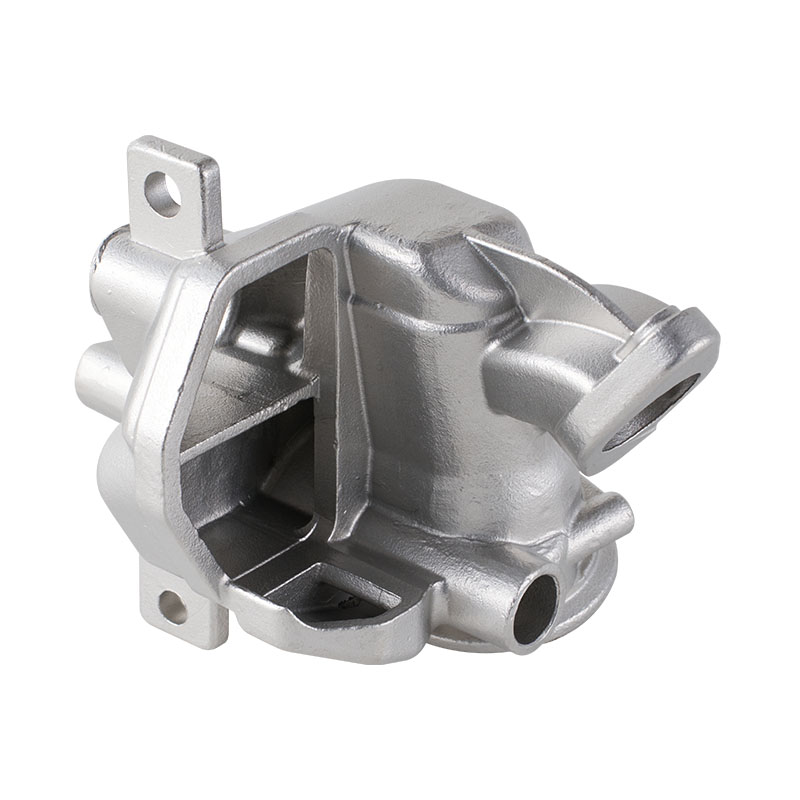
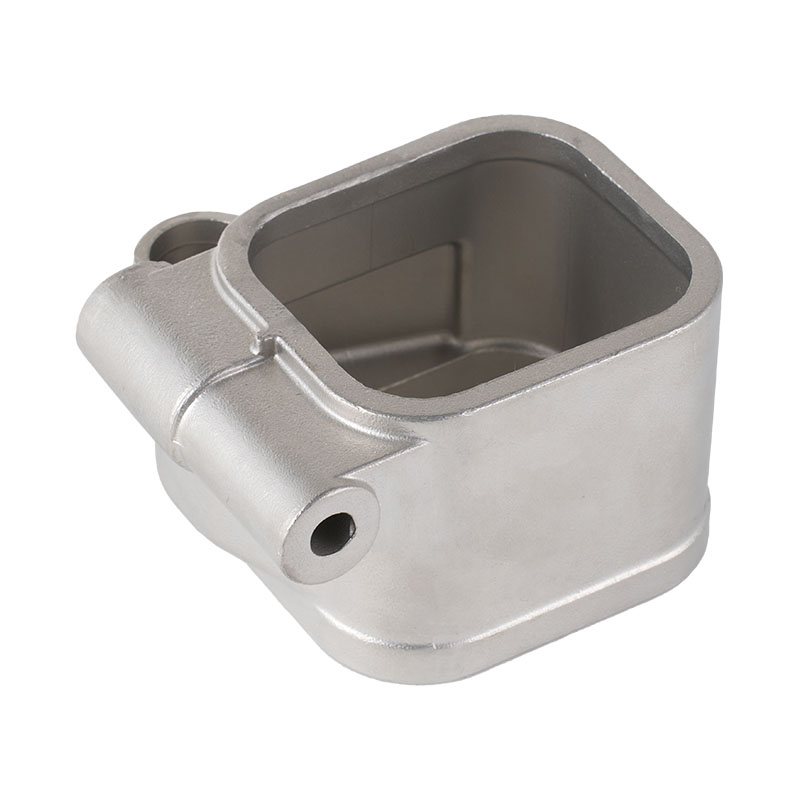
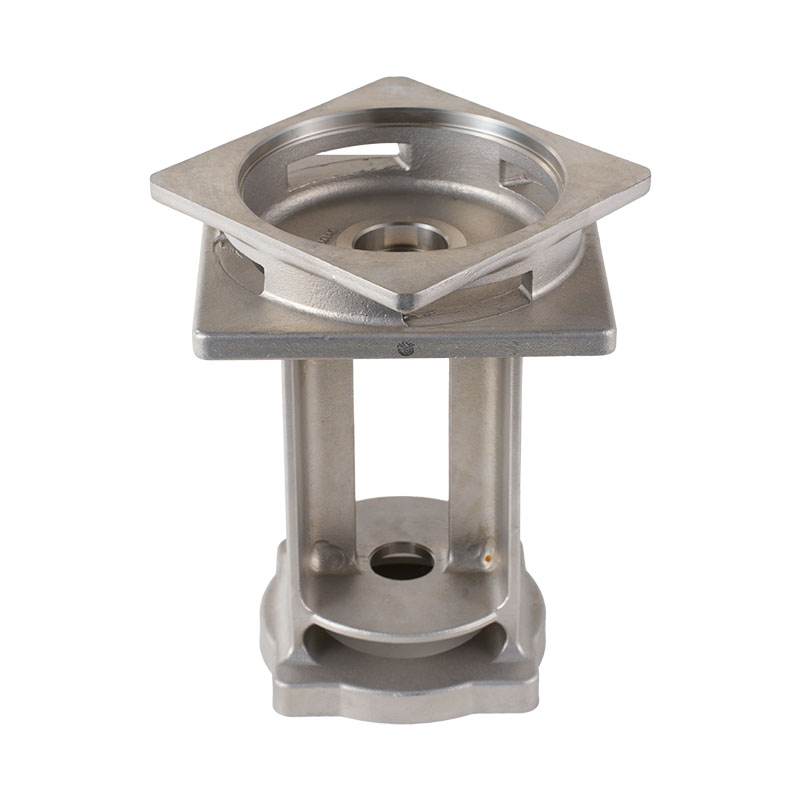
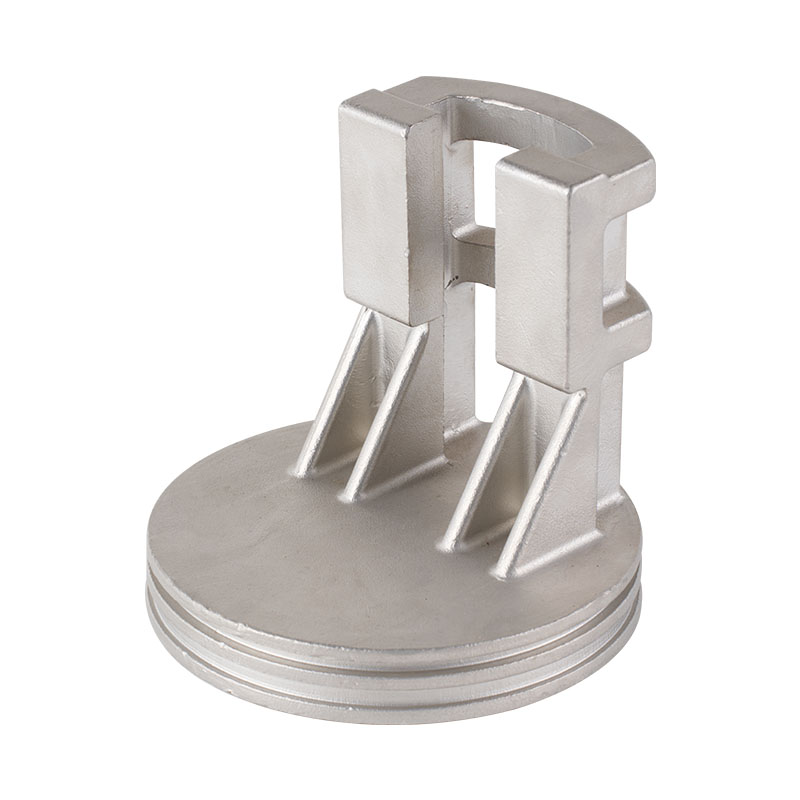
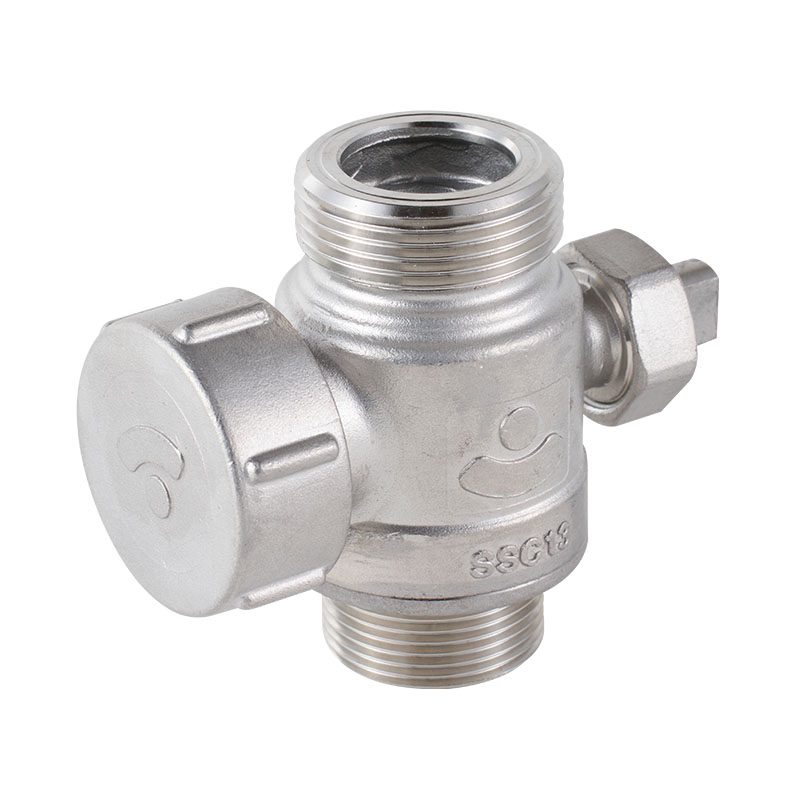
Butterfly Disc and Regulating Valve Casting are being applied in more fluid control systems where response speed, structural balance, and long-term operating stability are important. Recent developments in lightweight valve disc structures are helping manufacturers reduce unnecessary mass inside regulating valves while maintaining stable sealing and flow adjustment performance. This article discusses how structural adjustments in butterfly discs influence valve response, what changes are being made in casting methods, and how these developments are used in industrial applications such as water treatment, chemical processing, and pipeline systems.
Valve response speed has become a practical concern in many industrial systems because flow regulation is now expected to react more quickly to pressure changes, temperature fluctuations, and automated control signals. Traditional valve components often use thicker disc structures to improve rigidity, but heavier internal parts can increase operating resistance and delay adjustment speed, especially in automated systems connected to pneumatic or electric actuators.
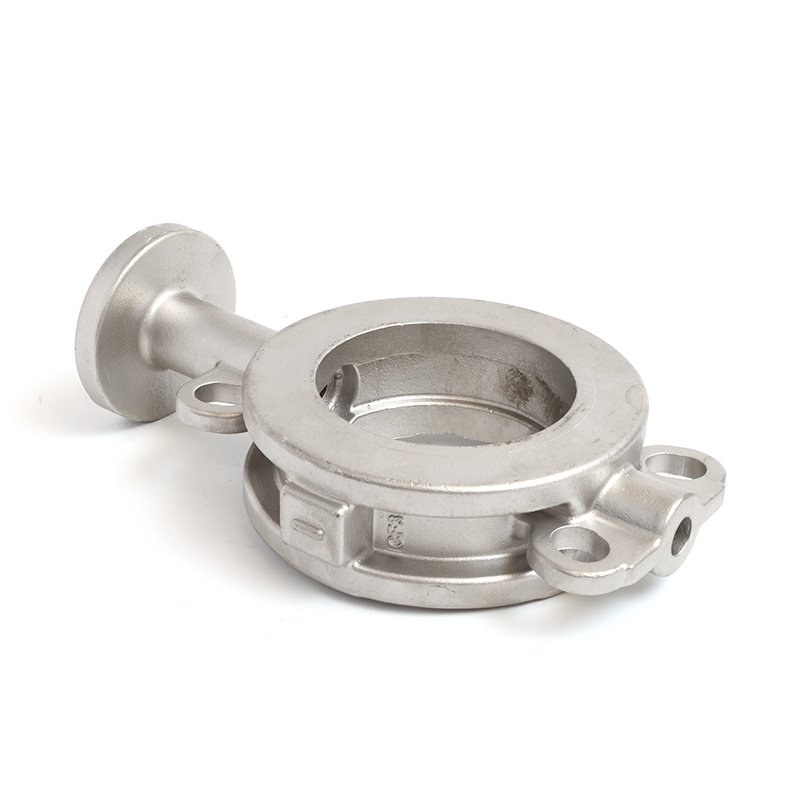
In regulating applications, the butterfly disc directly affects how quickly the valve opens or closes. A heavier disc generally requires more torque during operation, which can increase actuator workload and contribute to wear over time. In addition, repeated opening and closing under high-frequency operation may place additional stress on shaft connections and sealing surfaces.
Regulating Valve Casting processes are also evolving because many users are requesting valve components with more balanced weight distribution. Instead of simply reducing material thickness, manufacturers are redesigning internal rib structures, adjusting flow channel geometry, and improving casting precision to reduce unnecessary weight while preserving structural support.
Another factor driving these changes is energy consumption. In automated production lines, actuator systems run continuously, and lower operating torque can help reduce power demand during long operating cycles. While the reduction for a single valve may appear small, larger pipeline systems with hundreds of control points may experience noticeable operational differences over time.
Lightweight butterfly disc development does not only involve making the disc thinner. Several engineering adjustments are commonly introduced to maintain strength while lowering overall component mass. Current approaches focus on balancing flow efficiency, casting stability, and operational movement.
One common method involves redesigning the internal support ribs of the disc. Instead of using solid plate structures, many cast butterfly discs now include reinforced patterns that distribute stress more evenly. This helps reduce material usage without significantly affecting structural integrity during operation.
Another change involves the edge profile of the disc. Rounded or streamlined edge transitions can reduce turbulence as fluid moves across the valve body. This may contribute to smoother adjustment during partial opening positions, especially in regulating systems where precise flow control is required.
The casting process itself also influences the final structure. Improved mold accuracy allows thinner sections to be produced with fewer dimensional variations. Manufacturers are also paying closer attention to material shrinkage during cooling because uneven shrinkage may affect sealing alignment.
The table below shows several common structural considerations in lightweight butterfly disc production:
|
Structural Element |
Design Adjustment |
Practical Purpose |
|
Disc Rib Structure |
Hollow or reinforced rib layout |
Reduces unnecessary internal weight |
|
Disc Edge Geometry |
Rounded edge transitions |
Helps smooth fluid movement |
|
Shaft Connection Area |
Local reinforcement |
Supports repeated torque loading |
|
Casting Thickness |
Controlled wall distribution |
Balances weight and rigidity |
|
Surface Finish |
Improved machining accuracy |
Supports sealing consistency |
Material selection also affects lightweight performance. Ductile iron, stainless steel, and certain alloy castings are frequently chosen depending on operating temperature, corrosion exposure, and pressure conditions. Rather than relying on a single material type, manufacturers often select materials according to the operating environment of the valve system.
Applications for lightweight butterfly disc structures are expanding across several industries because automated flow regulation is becoming more common in both large-scale and compact systems.
In water treatment facilities, regulating valves are frequently adjusted throughout the day to maintain stable flow and pressure conditions. Faster valve response may help operators make smaller corrections more efficiently during filtration or chemical dosing processes. Lightweight internal components can also reduce actuator strain in systems that run continuously.
Chemical processing systems often involve temperature variation and media with different viscosity levels. Valve discs that move more smoothly under changing pressure conditions may help maintain more consistent flow adjustment. In these environments, material compatibility also remains important because certain chemicals may affect long-term casting durability.
HVAC pipeline systems are another area where lightweight valve components are increasingly used. Building automation systems rely on continuous valve adjustments to manage heating and cooling circulation. Lower operating torque may help improve actuator efficiency during repeated daily operation.
In some compact equipment systems, space limitations also encourage the use of lighter valve structures because smaller actuators can sometimes be paired with reduced-weight internal components.