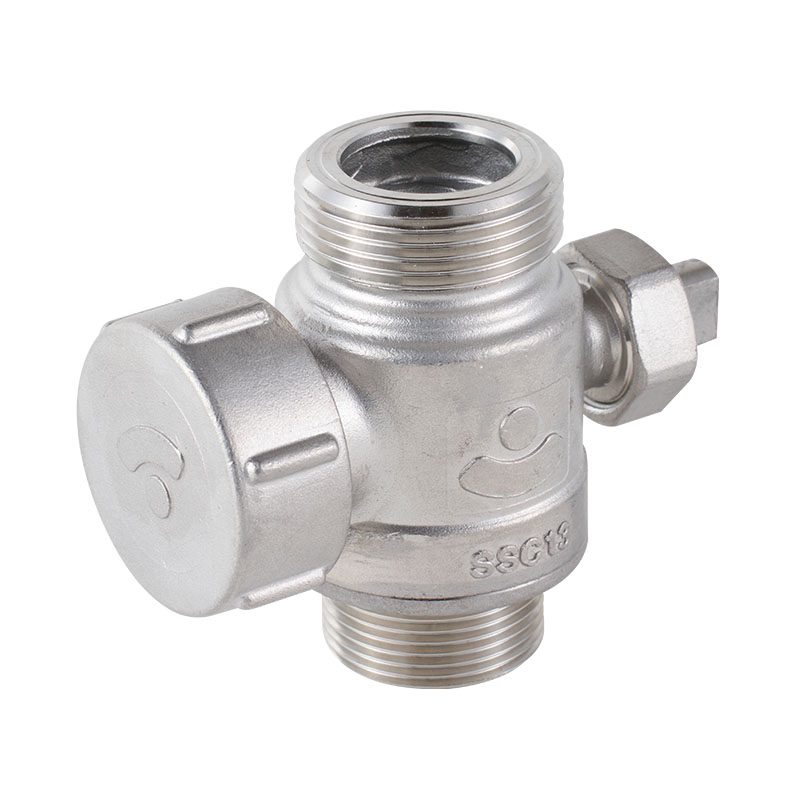
A butterfly valve looks simple. A disc. A shaft. A body. Turn the handle, and the disc rotates. Open, closed, or somewhere in between. But the casting that forms the valve body is not simple. A butterfly valve casting needs to hold pressure, resist corrosion, and maintain roundness across temperature changes. The casting also needs to provide accurate mounting surfaces for the seat, the shaft bearings, and the actuator. Get the casting wrong, and the valve leaks, binds, or fails.
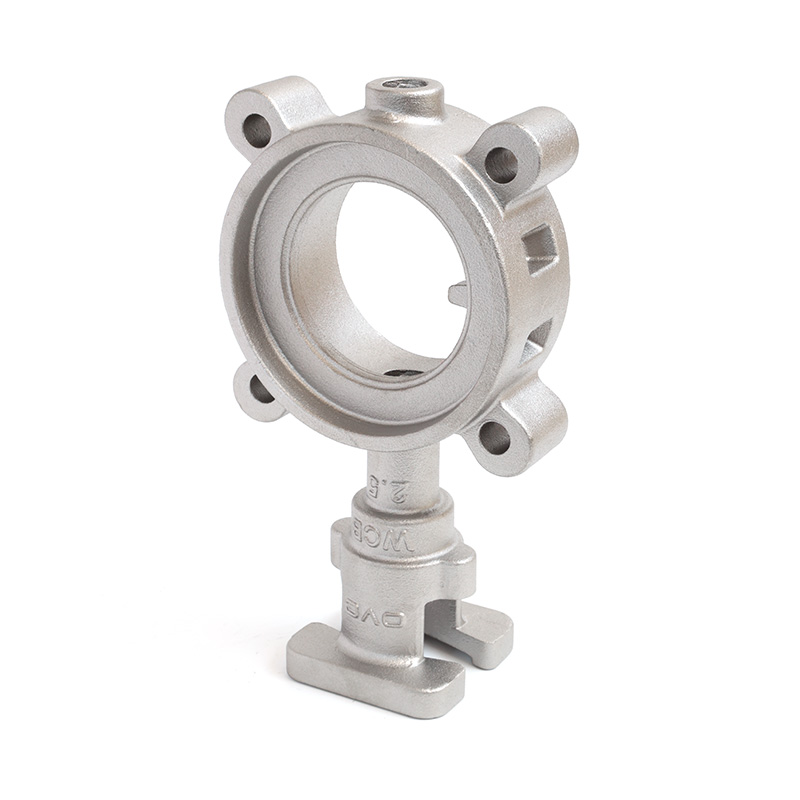
The casting forms the body that contains pressure and aligns all components
A butterfly valve casting starts as molten metal poured into a mold. The mold shape includes the round bore where the disc sits, the neck where the shaft passes through, and the mounting flanges or lug connections. After cooling and finishing, the casting becomes the valve body. Every other component bolts to or seals against this body.
The casting must be round. Not almost round. Round. A butterfly valve casting that is out of round will not seal properly. The disc contacts the seat at some points and leaves gaps at others. The valve leaks even when fully closed. Good castings are machined after casting to ensure true roundness.
Material selection determines pressure rating and corrosion resistance
Most butterfly valve casting products use cast iron, ductile iron, or stainless steel. Cast iron is cheap and works for water and mild fluids. Ductile iron is stronger and handles higher pressure. Stainless steel resists corrosion and works for food, chemical, and marine applications.
Here is how butterfly valve casting materials compare for common applications:
The wrong material costs more than the valve. A cast iron butterfly valve casting in a saltwater application will rust through in months. A stainless steel valve lasts for years. Pay for the right material the first time.
Sand casting works for large valves and low to medium volumes
A butterfly valve casting for a 12-inch valve is too big for other casting methods. Sand casting handles large sizes. A pattern is pressed into sand to create the mold. Molten metal fills the cavity. After cooling, the sand breaks away. The rough casting goes to machining.
Sand casting has lower tooling cost than other methods. But each casting takes more time. Surface finish is rougher. Dimensional accuracy is looser. For large valves or short production runs, sand casting is the right choice.
Investment casting produces smaller valves with smoother surfaces
Small butterfly valve casting products — 2 inches and under — often use investment casting. A wax pattern gets coated in ceramic. The wax melts out. Molten metal fills the ceramic shell. The result is a casting with smooth surfaces and tight tolerances.
Investment casting costs more per part than sand casting. But machining time is less because the casting is closer to final shape. For high-volume small valves, investment casting saves overall cost.
Dimensional accuracy ensures the disc seals against the seat
The disc needs to fit inside the butterfly valve casting with a small gap. The seat fills that gap. If the casting bore is too large, the seat does not compress enough. The valve leaks. If the bore is too small, the disc binds. The valve is hard to operate.
Machining after casting corrects shape errors. A good butterfly valve casting has enough material in the bore for machining. Cheap castings leave too little material. The machinist cannot make the bore round because there is not enough metal to cut.
Wall thickness consistency prevents weak spots and cracks
The pressure rating of a butterfly valve casting depends on wall thickness. Thin spots burst under pressure. Thick spots waste material and add weight. Good castings have consistent wall thickness throughout the body.
Here are defects to watch for in a butterfly valve casting:
Leaks through porosity ruin the valve before installation
A butterfly valve casting with porosity looks solid. But under pressure, fluid seeps through the tiny holes. The valve drips. The customer is unhappy. The valve gets returned. Porosity comes from gas trapped in the metal during pouring or from shrinkage as the metal cools.
Pressure testing finds porosity before assembly. A good foundry pressure tests every butterfly valve casting or at least a sample from each batch. No test means you are gambling.
Warped flanges cause installation problems
The flanges on a butterfly valve casting need to be flat and parallel. Warped flanges leak when bolted to pipe flanges. The installer over-tightens the bolts to force the flanges flat. The casting cracks. The valve fails.
Warping comes from uneven cooling or residual stress in the casting. A good butterfly valve casting is stress-relieved before machining. Cheap castings skip this step to save cost.