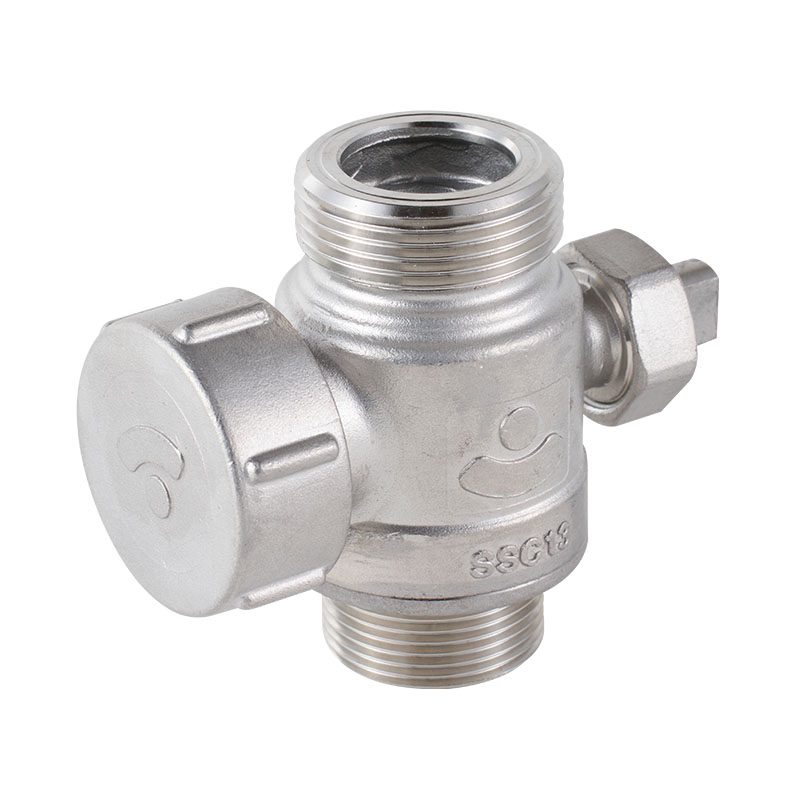
A butterfly valve has few parts. Body. Seat. Stem. Disc. The disc does the work. It rotates. Open, and fluid flows. Closed, and fluid stops. A butterfly disc casting is the raw form of that disc. Molten metal poured into a mold. Cooled. Machined. Then assembled into the valve. The casting needs to be round. It needs to be strong. It needs to seal against the seat. Here is what buyers should know.
The disc rotates 90 degrees to open or close the valve
The disc sits inside the valve body. A shaft goes through the disc. Turn the handle. The shaft turns. The disc turns. When the disc is parallel to the flow, the valve is open. Fluid passes. When the disc is perpendicular, the valve is closed. The disc presses against the seat. No fluid passes.
A butterfly disc casting starts as a rough shape. The casting has a flat face. It has a hub for the shaft. It may have a seal groove. The machined disc is precise. The casting is not.
The disc needs to be round and flat
If the butterfly disc casting is out of round, the disc does not seal. Fluid leaks past. If the disc is warped, the same problem. The casting must be stress-free. Machining removes material. The remaining metal should not move.
Cast iron for water and wastewater
Cast iron is common for butterfly disc casting. Cheap. Easy to machine. Good for water, sewage, and mild fluids. The disc rusts. In water, that is fine. In other fluids, rust is contamination.
Ductile iron is stronger. It bends before it breaks. A ductile iron butterfly disc casting handles higher pressure. It is less brittle.
Stainless steel for corrosion resistance
Stainless steel discs do not rust. A butterfly disc casting in 304 stainless handles water and mild chemicals. 316 stainless handles saltwater and aggressive chemicals. Stainless costs more than iron. It lasts longer in harsh environments.
Here is how materials compare:
Aluminum bronze for seawater
Aluminum bronze resists saltwater corrosion. A butterfly disc casting in aluminum bronze is for ships and offshore platforms. The material is expensive. It lasts for decades in seawater.
Sand casting for large discs and low volume
A pattern in the shape of the disc is pressed into sand. Molten metal fills the cavity. The sand breaks away. The butterfly disc casting is rough. It needs machining.
Sand casting is cheap for small quantities. The surface finish is rough. The tolerances are loose. Good enough for discs that will be machined all over.
Investment casting for small discs and high volume
A wax pattern is coated in ceramic. The wax melts out. Molten metal fills the ceramic shell. The butterfly disc casting is smoother than sand casting. Less machining needed.
Investment casting costs more per part. The tooling is more expensive. Good for high volume.
Die casting for thin discs
Molten metal is forced into a steel die under pressure. The butterfly disc casting is precise. Little machining needed. Die casting is fast. The dies are expensive.
Die casting works for small discs. Large discs need larger dies. Too expensive.
Dimensional accuracy of the hub
The hub holds the shaft. A butterfly disc casting with an off-center hub makes the disc wobble. The disc does not seal. The hole for the shaft needs to be machined. The casting needs enough material for the machining.
Check the hub wall thickness. Too thin, and the hub cracks when you drill the pin hole.
Flatness of the disc face
The disc face seals against the seat. A butterfly disc casting that is not flat leaks. The seat cannot conform to a warped disc.
Flatness is measured in millimeters per meter. A good disc is flat within 0.2mm per 100mm of diameter.
Surface finish of the sealing area
The disc edge seals against the seat. A rough surface tears the seat. A butterfly disc casting with a smooth surface finish (Ra 1.6 or better) extends seat life.
Here is what surface finish means for sealing:
The disc is out of round
The mold shifted. The butterfly disc casting is not round. Machining cannot fix it. Too much material removed from one side. The disc is unbalanced. It vibrates when the valve operates.
Porosity causes leaks through the disc
Tiny holes in the casting. A butterfly disc casting with porosity leaks fluid through the disc itself. The valve is closed. Fluid still passes. The valve fails.
The hub cracks under torque
The actuator applies torque to the shaft. The shaft applies torque to the hub. A brittle butterfly disc casting cracks. The disc spins on the shaft. The valve stops working.
The disc warps after machining
Residual stress in the casting. Machine the disc flat. The stress releases. The disc warps. Not flat anymore. The valve leaks.
A butterfly disc casting is a simple part. Round disc. Hub in the center. But small defects cause big problems.
Choose the right material. Cast iron for water. Stainless for chemicals. Bronze for seawater.
Look for dimensional accuracy. Flat face. Smooth sealing surface. No porosity. No residual stress.
A good casting costs more. It machines well. It seals tight. It lasts for years. A cheap casting saves money upfront. It leaks. It cracks. It fails. The valve is scrap. Not worth it.
Buy from a foundry that tests its castings. X-ray for porosity. Heat treat to relieve stress. Measure every batch. Your valves will work. Your customers will be happy. That is the point of a butterfly valve. To stop the flow when it should. A good disc makes that happen. A bad disc does not. Choose wisely.