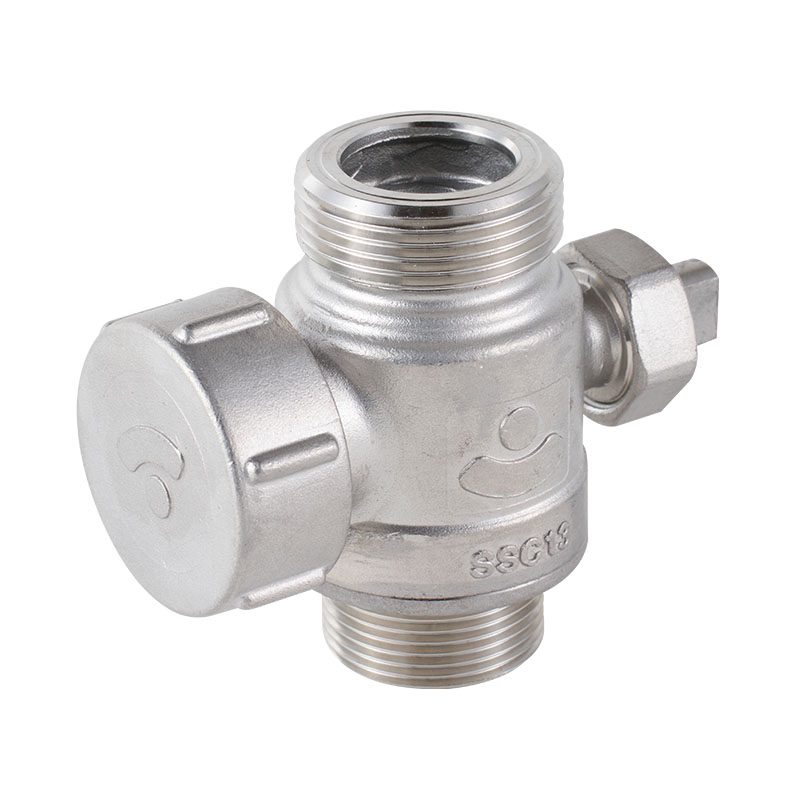
A regulating valve does more than turn flow on and off. It adjusts flow. It keeps pressure steady. It responds to signals from sensors. The body of the valve comes from a regulating valve casting. That casting must be precise. The internal passages need to be smooth. The dimensions must be accurate. Here is what buyers should know.
The casting forms the body that contains the flow
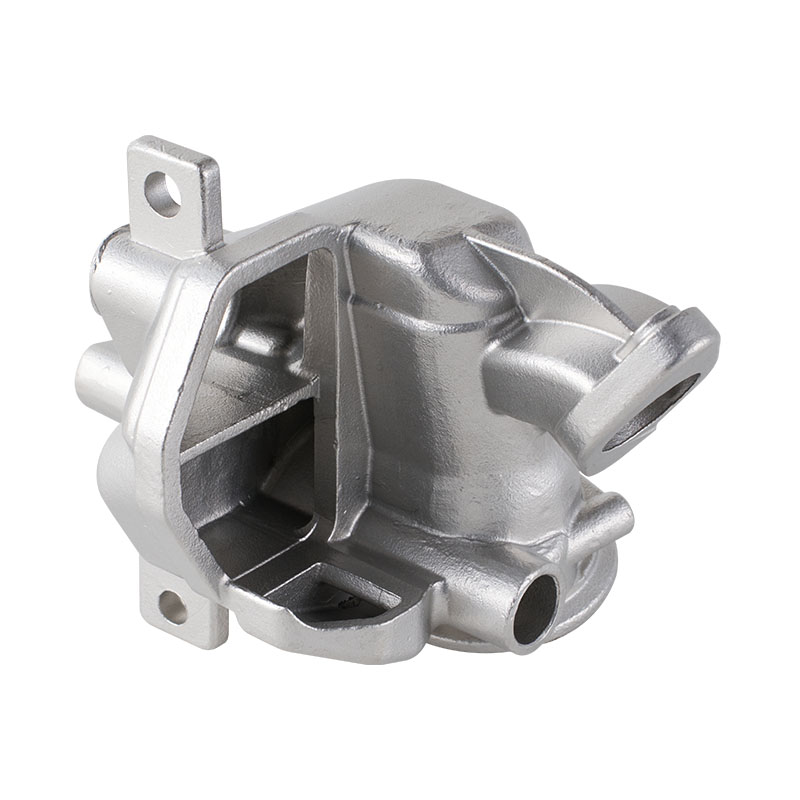
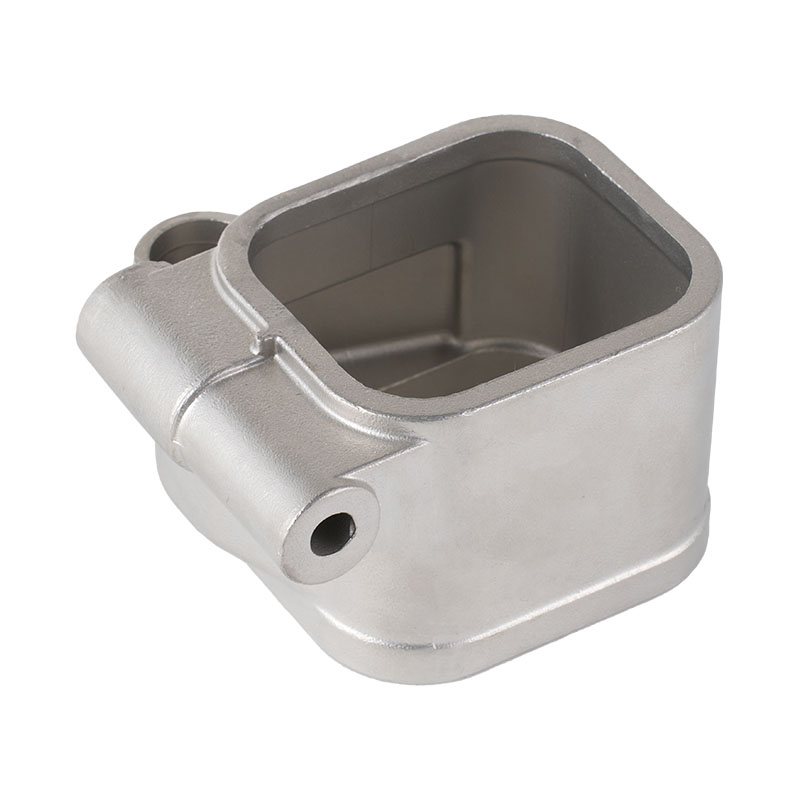
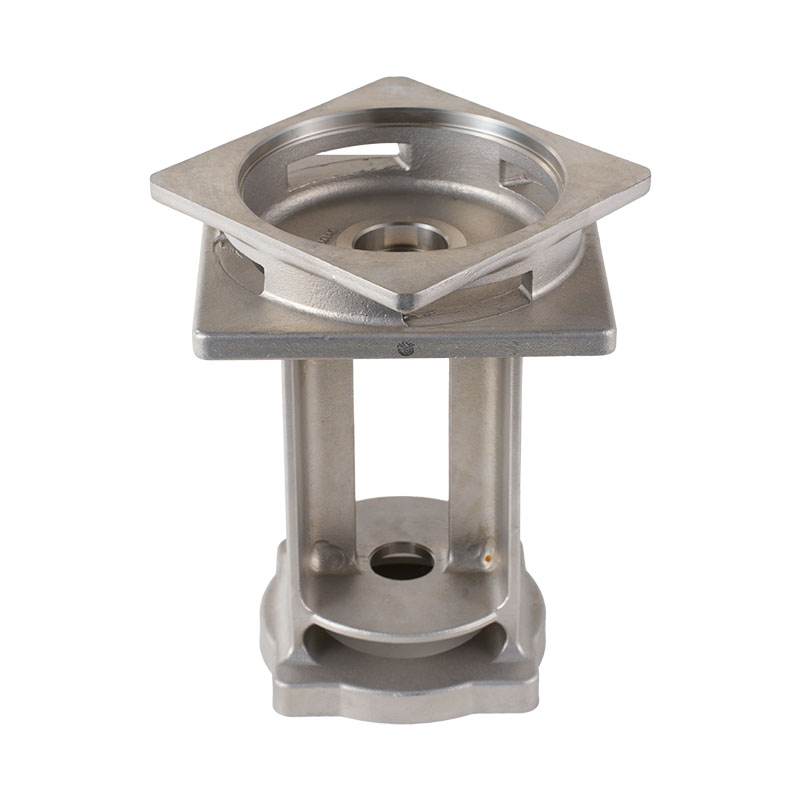
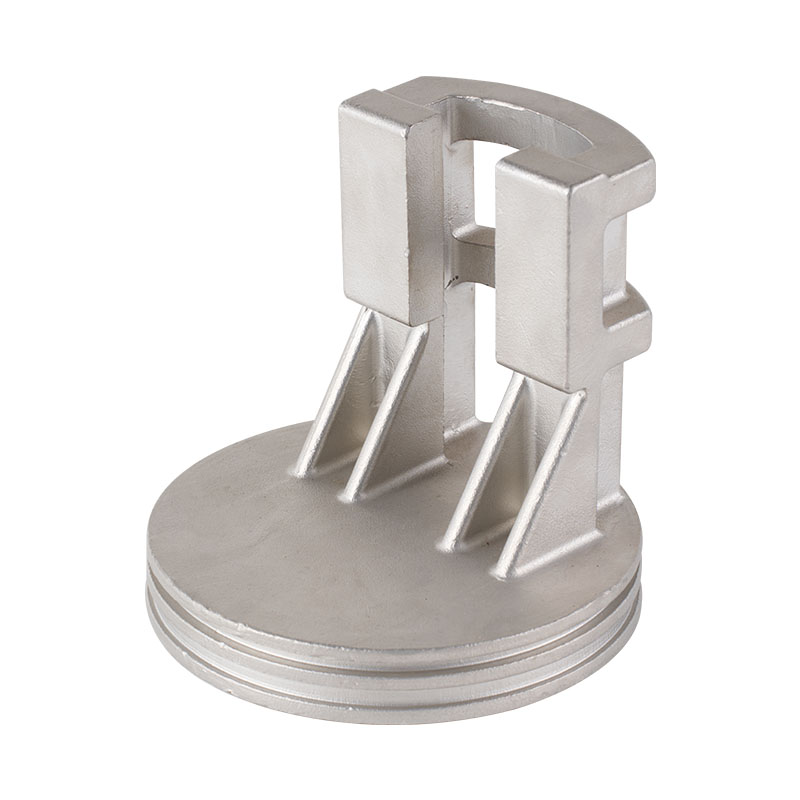
A regulating valve casting starts as a rough shape. Molten metal poured into a mold. The casting includes the inlet, the outlet, and the internal passage where the plug or disc moves. The casting determines how well the valve controls flow.
The internal passage needs to be smooth. Rough surfaces create turbulence. Turbulence makes the valve noisy. It reduces accuracy. A good regulating valve casting has smooth internal surfaces.
The casting provides the mounting for the actuator
The actuator controls the valve. It pushes the plug up and down. The actuator mounts on top of the regulating valve casting. The mounting surface needs to be flat. The bolt holes need to align. Any error affects the actuator's movement.
Cast iron for general service
Cast iron is the many common material for regulating valve casting. It is strong. It machines well. It handles water, steam, and mild chemicals. Cast iron is brittle. It cracks under impact.
Ductile iron for higher strength
Ductile iron is stronger than cast iron. It bends before it breaks. A regulating valve casting in ductile iron handles higher pressure. It is used in pipelines and industrial applications.
Stainless steel for corrosion resistance
Stainless steel is for aggressive fluids. Acids, chemicals, and saltwater. A regulating valve casting in 316 stainless resists corrosion. It costs more. It lasts longer in harsh environments.
Here is how materials compare:
Sand casting is the many common method
A pattern is pressed into sand. The sand holds the shape of the valve body. Molten metal is poured in. The sand breaks away. The regulating valve casting is rough. It needs machining.
Sand casting works for large valves. It works for low to medium volumes. The surface finish is rough. The tolerances are loose.
Investment casting for smaller valves
Investment casting uses a wax pattern. The pattern is coated in ceramic. The wax melts out. Molten metal fills the cavity. The regulating valve casting is smoother. Tighter tolerances. Less machining.
Investment casting costs more. It is good for small valves and high volumes.
Dimensional accuracy
The casting must match the drawing. The inlet and outlet ports need to align. The mounting surface must be flat. A regulating valve casting with poor dimensions does not assemble. The actuator does not fit.
Surface finish
The internal passage must be smooth. Rough surfaces cause turbulence. The valve does not control flow accurately. A regulating valve casting with a good surface finish performs better.
Material soundness
The casting should be free of defects. No porosity. No cracks. No inclusions. A regulating valve casting with porosity leaks. The valve fails pressure testing.
Machining allowances
The casting needs enough material for machining. Too little, and the machinist cannot clean up the surfaces. Too much, and the machining takes longer. The regulating valve casting should have the right amount of stock.
Here is what to check in a regulating valve casting:
A regulating valve casting is the foundation of a control valve. The casting must be accurate. The material must be sound. The surfaces must be smooth. A good casting makes a valve that controls flow precisely. A bad casting makes a valve that leaks and fails. Buy from a foundry that understands valve castings. They know the tolerances. They know the materials. They know the inspection methods. Your valve performance depends on it. Your customers depend on it. Choose wisely.