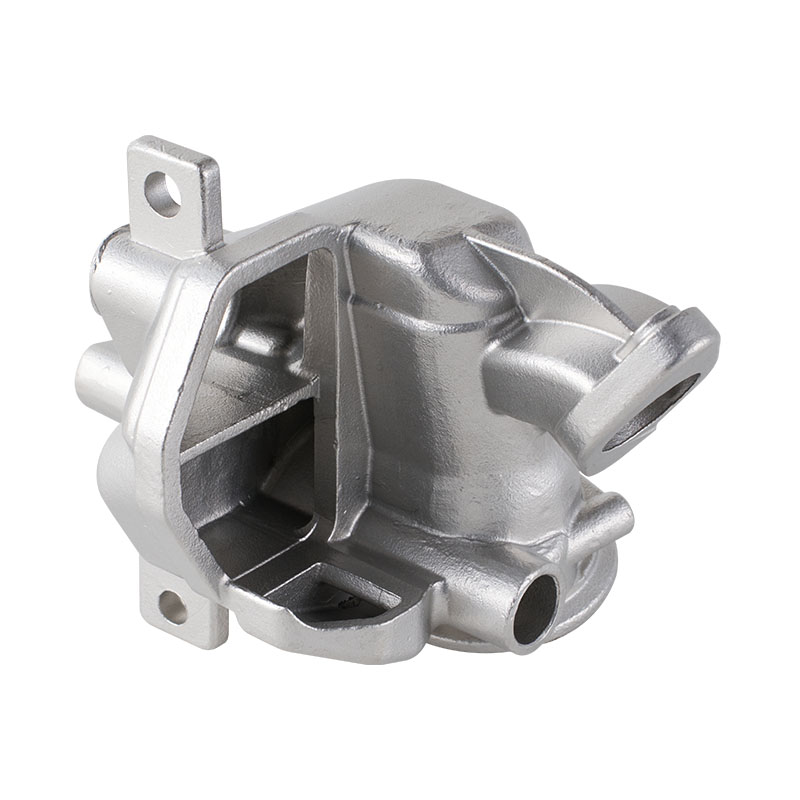
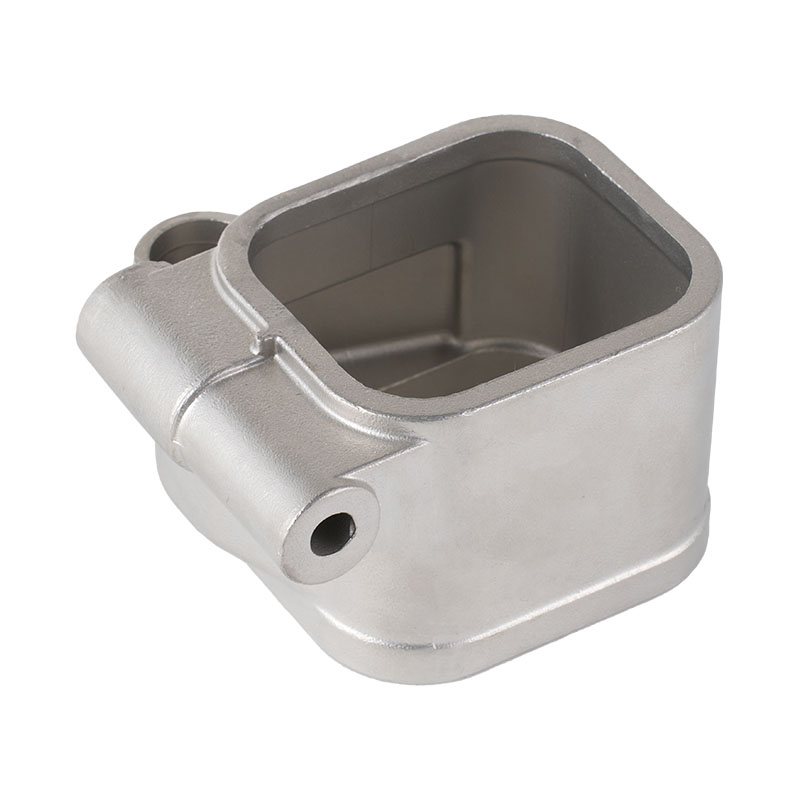
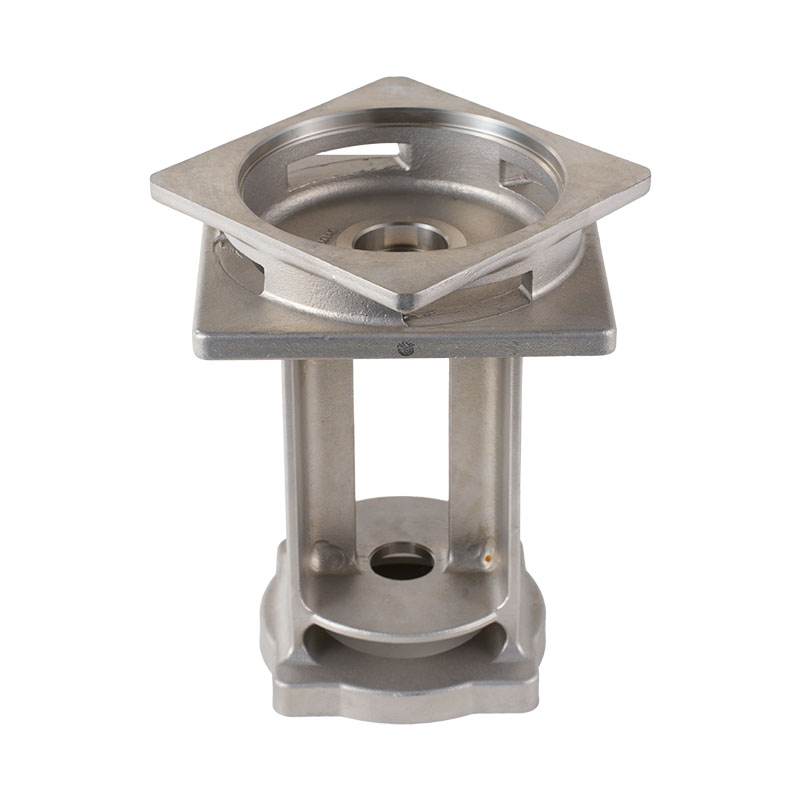
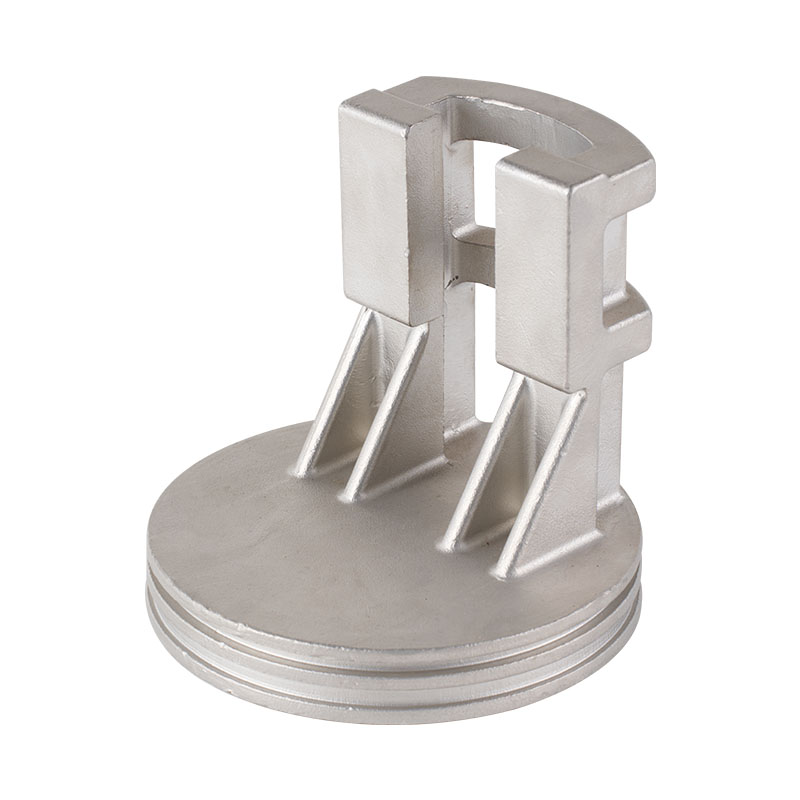
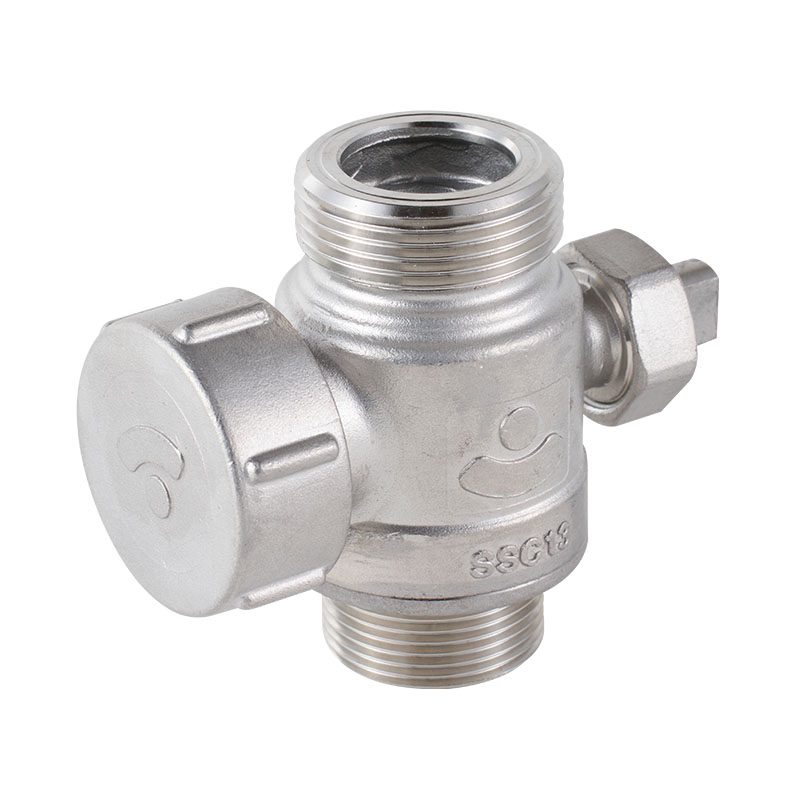
Some fluids are flammable. Oil. Gas. Chemicals. A valve in a flammable fluid system must not leak. Even in a fire. A flame retardant valve casting is designed for these conditions. The casting resists heat. It maintains integrity. It prevents leaks.
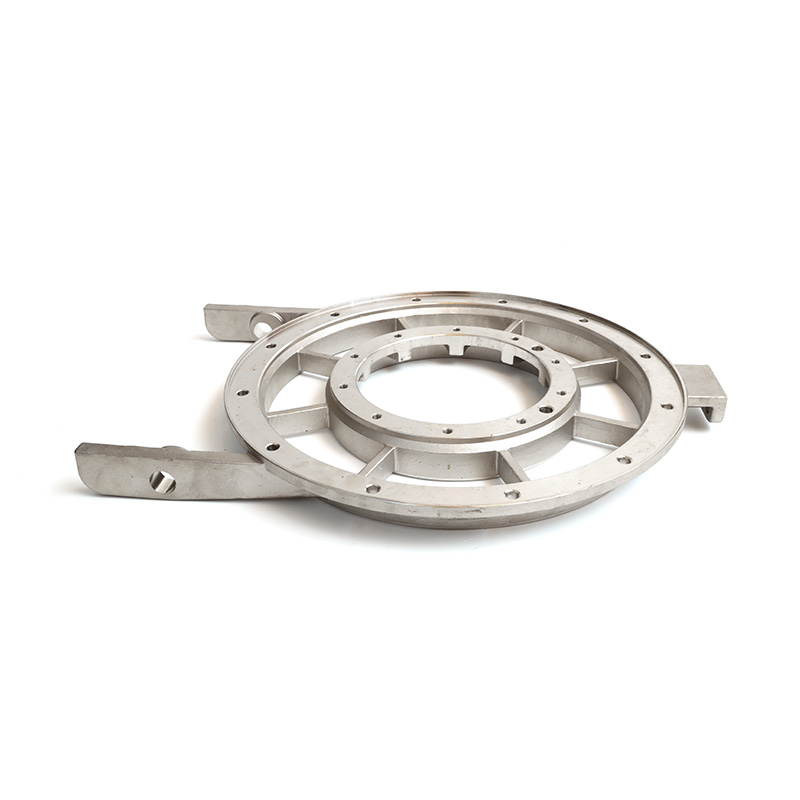
The casting is made from materials that resist heat
A flame retardant valve casting is not the same as a standard valve casting. The material is different. It maintains strength at high temperatures. It does not soften. It does not warp.
Standard castings use regular carbon steel or iron. They lose strength in a fire. A flame retardant casting uses special alloys. It resists heat. It stays intact.
The casting is designed to maintain sealing in a fire
The valve must seal even in a fire. The seat and disc must stay aligned. A flame retardant valve casting has features that maintain alignment. The design prevents leakage.
Oil and gas pipelines
Pipelines carry flammable fluids. A flame retardant valve casting is used in these pipelines. It prevents leaks in a fire.
Chemical plants
Chemical plants handle flammable chemicals. A flame retardant valve casting is used in these plants. It contains the fluid.
Refineries
Refineries process oil. They have high fire risk. A flame retardant valve casting is used in refineries. It maintains safety.
Material grade
The material must be certified for fire resistance. A flame retardant valve casting uses materials like stainless steel, Inconel, or special alloys.
Fire testing
The casting must be fire tested. Standards like API 607 or ISO 10497. A flame retardant valve casting meets these standards.
Design features
The casting must have fire-safe features. A secondary sealing mechanism. Metal-to-metal seating. A flame retardant valve casting is designed for fire conditions.
Here is what to check:
Material selection
The material is selected for fire resistance. A flame retardant valve casting uses special alloys. The material is certified.
Casting process
The casting is made using sand casting or investment casting. A flame retardant valve casting uses quality processes.
Heat treatment
The casting is heat treated. The properties are optimized. A flame retardant valve casting has consistent properties.
Material certification
The material is certified. A flame retardant valve casting includes material test reports.
Dimensional inspection
The casting is inspected for dimensions. A flame retardant valve casting meets the specifications.
Fire testing
The casting is fire tested. A flame retardant valve casting meets the standards.
Safety
The casting is safe in a fire. A flame retardant valve casting prevents leaks.
Compliance
The casting meets standards. A flame retardant valve casting is compliant with API 607 or ISO 10497.
Reliability
The casting is reliable. A flame retardant valve casting performs in a fire.
A flame retardant valve casting is essential for fire-safe applications. It resists heat. It maintains sealing. It prevents leaks. Look for certified materials, fire testing, and design features. A good casting meets the standards. It performs in a fire. It keeps the system safe. That is what a flame retardant valve casting delivers. Fire safety. Leak prevention. Reliable performance. In a fire, the valve must hold. The casting makes it possible. The right material. The right design. The right testing. That is the difference between a standard valve and a fire-safe valve. Choose the right casting for the application. Safety depends on it.