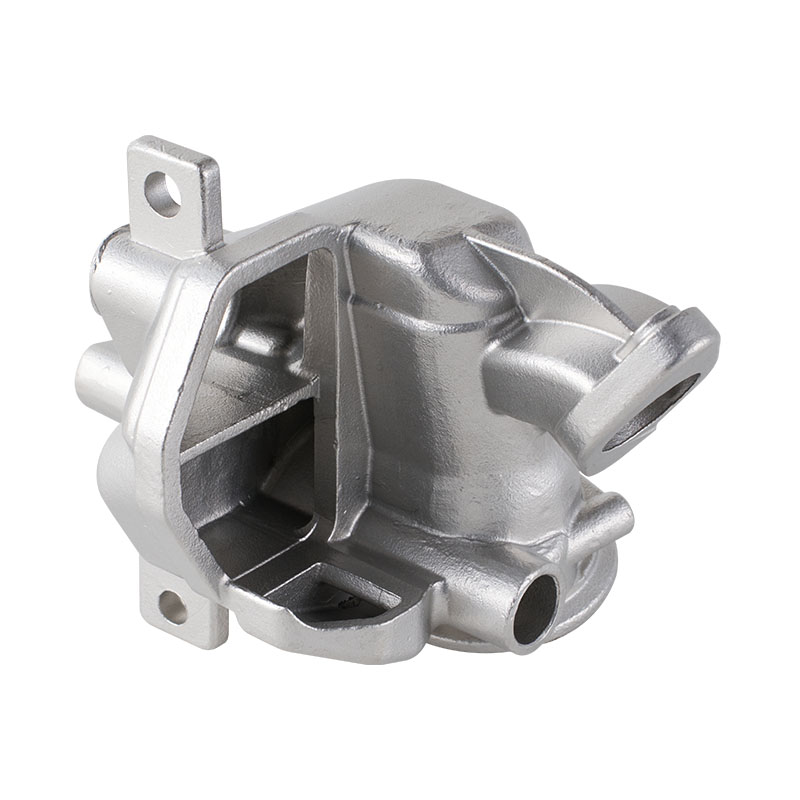
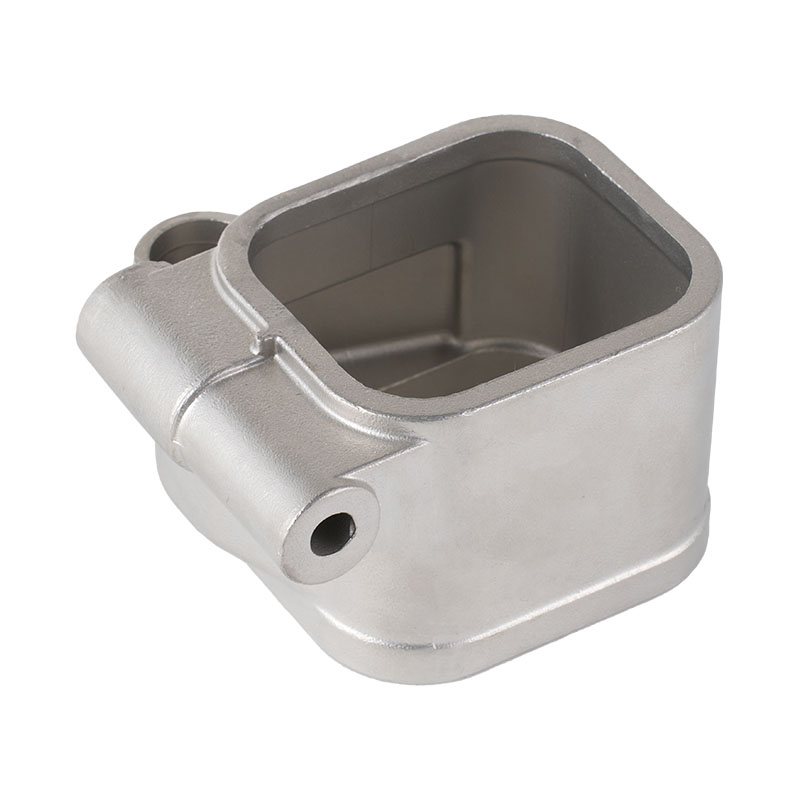
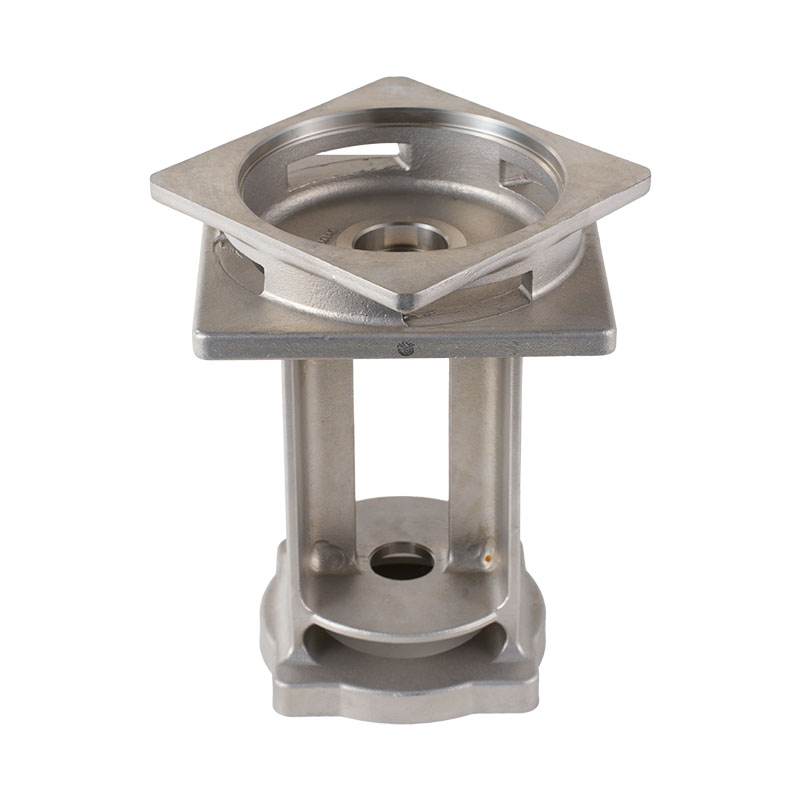
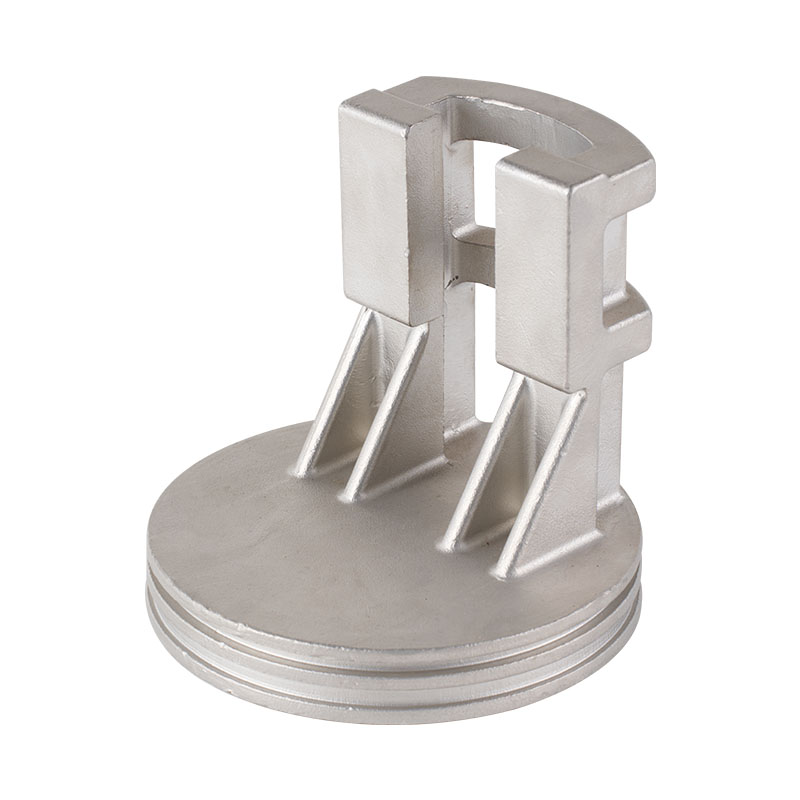
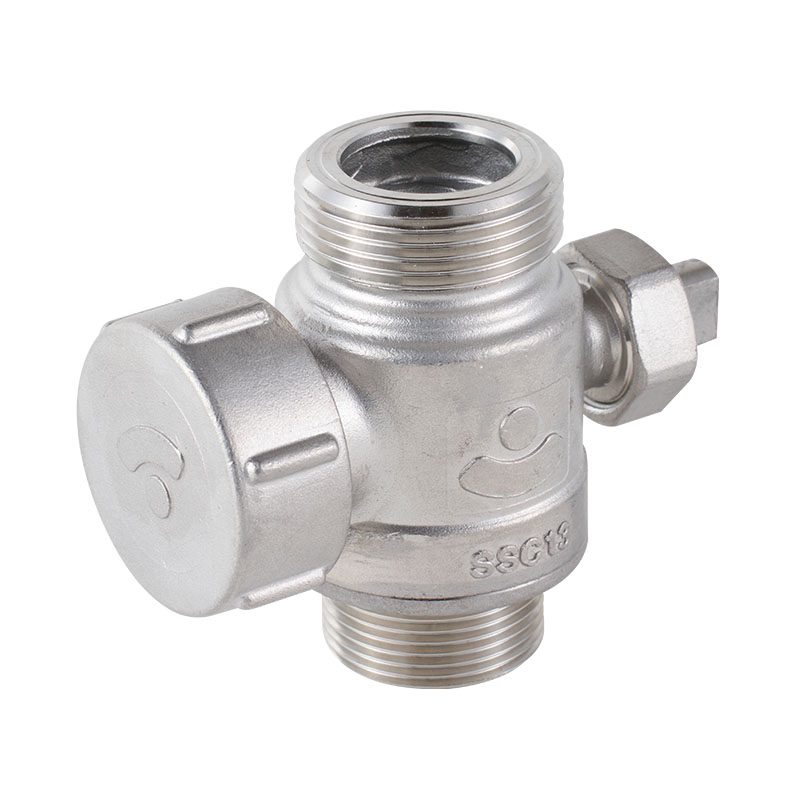
Fluid systems are everywhere. Oil pipelines. Water treatment plants. Chemical processing lines. Gas distribution networks. Without a precisely cast ball, body, and end caps, a ball valve cannot seal. A ball valve casting parts manufacturer produces the raw metal components that become finished valves. They hold pressure without leaking. They resist corrosion and erosion. They maintain dimensional accuracy through machining and assembly.
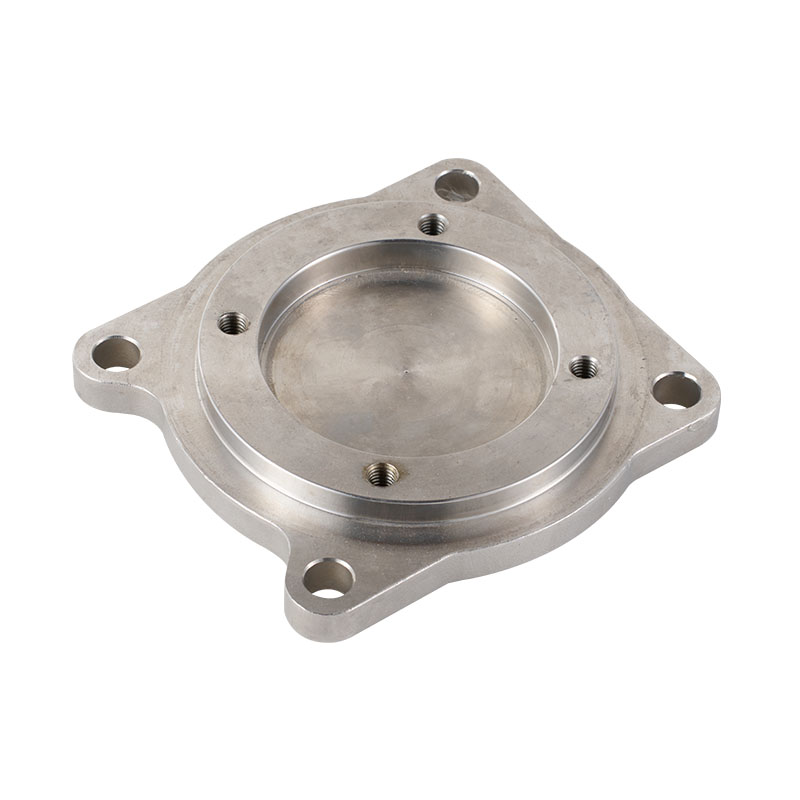
It pours molten metal into molds to form the core valve geometry
A ball valve casting parts manufacturer uses investment casting, sand casting, or shell mold casting depending on the size, material, and precision required. Molten stainless steel, carbon steel, or alloy is poured into a prepared mold. The casting cools, solidifies, and is removed from the mold. Gates and risers are cut off. The part is shot-blasted, heat-treated, and inspected before machining.
Investment casting for small precision parts
Wax patterns are coated with ceramic slurry to form a shell. The wax is melted out. Molten metal fills the cavity. This process delivers tight tolerances and smooth surface finishes. A ball valve casting parts manufacturer using investment casting produces near-net-shape ball blanks and small body castings.
Sand casting for large valve bodies
Sand molds handle larger sizes and heavier sections. The surface finish is rougher, and more machining stock is needed. A ball valve casting parts manufacturer that runs sand casting lines serves the large-diameter valve market for pipelines and heavy industry.
Heat treatment and material properties
Castings must meet specific hardness, tensile strength, and corrosion resistance requirements. Solution annealing for stainless steel, normalizing for carbon steel. A ball valve casting parts manufacturer that controls heat treatment cycles delivers consistent mechanical properties across production batches.
The problems hide inside the metal until pressure is applied
A ball valve casting parts manufacturer ships components that will face hydrostatic testing and field pressure. Internal porosity, inclusions, and shrinkage cavities are the common casting defects. Here is what separates quality foundry output from risky supply.
Internal soundness and porosity control
A casting with internal voids passes visual inspection but fails under pressure. A ball valve casting parts manufacturer uses radiography or ultrasonic testing to verify internal integrity. Parts that seal gas or hazardous fluids demand zero-defect standards.
Dimensional accuracy and machining allowance
Castings that are undersized or distorted cannot be machined into tolerance. Oversized castings waste machining time and tool life. A ball valve casting parts manufacturer that holds consistent pattern dimensions and controls solidification shrinkage delivers parts that machine predictably.
Material grade verification
A casting that looks like stainless steel but falls short on alloy content corrodes in service. A ball valve casting parts manufacturer provides material test certificates with each batch. Spectrometer verification of melt chemistry confirms the grade before pouring.
Here is what a reliable foundry delivers:
The same casting quality serves multiple valve types and industries
A ball valve casting parts manufacturer supplies body castings, ball blanks, stem blanks, and end connector castings. These components go into floating ball valves for residential plumbing, trunnion ball valves for oil and gas pipelines, and high-pressure valves for hydraulic systems. Each application demands a specific material grade and pressure class.
A sample casting looks fine on the shelf. Consistent batch quality is the real measure.
A capable ball valve casting parts manufacturer maintains pattern equipment, controls melt chemistry, and documents inspection results. It communicates honestly about lead times and casting yield rates. Here is what to investigate before placing a production order.
Pattern storage and maintenance
Patterns wear. Dimensional drift over multiple production runs is common if patterns are not checked and maintained. A ball valve casting parts manufacturer that stores customer patterns properly and inspects them between runs protects long-term part consistency.
In-house testing versus outsourced inspection
Foundries that own their NDT equipment and spectrometer invest in quality control. Those that outsource testing to third-party labs may only test when the customer demands it. A ball valve casting parts manufacturer with in-house testing catches defects before parts leave the foundry floor.
A ball valve casting part is unfinished metal when it ships. But it already contains the quality that determines whether the final valve holds pressure or leaks. Internal soundness, dimensional accuracy, and material grade are set in the foundry and cannot be fixed later. Choose a manufacturer that controls the melt, the mold, and the inspection process. Your valves will seal reliably. That is the contribution of a ball valve casting parts manufacturer.