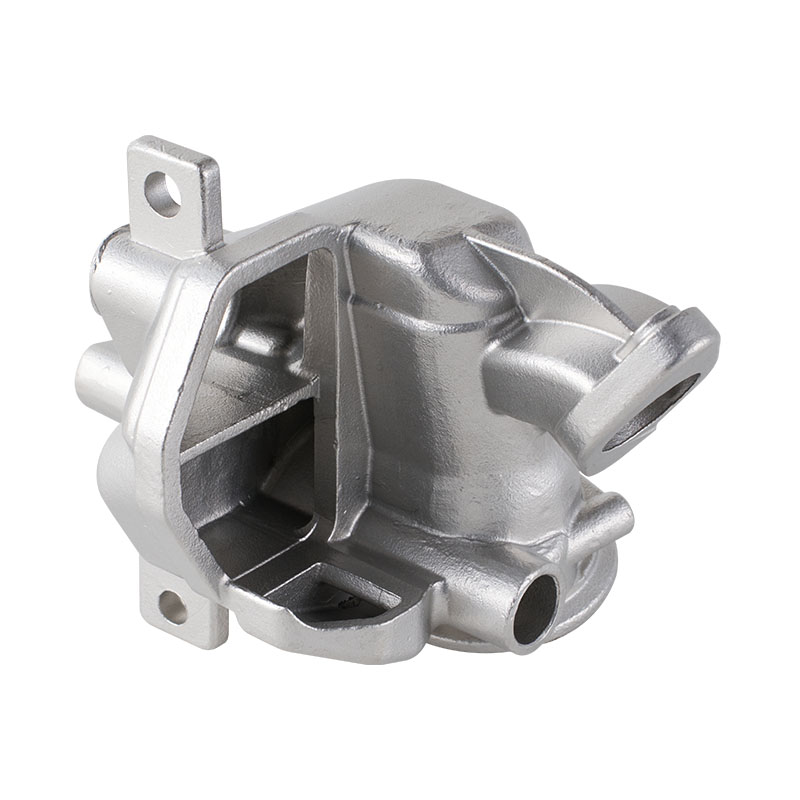
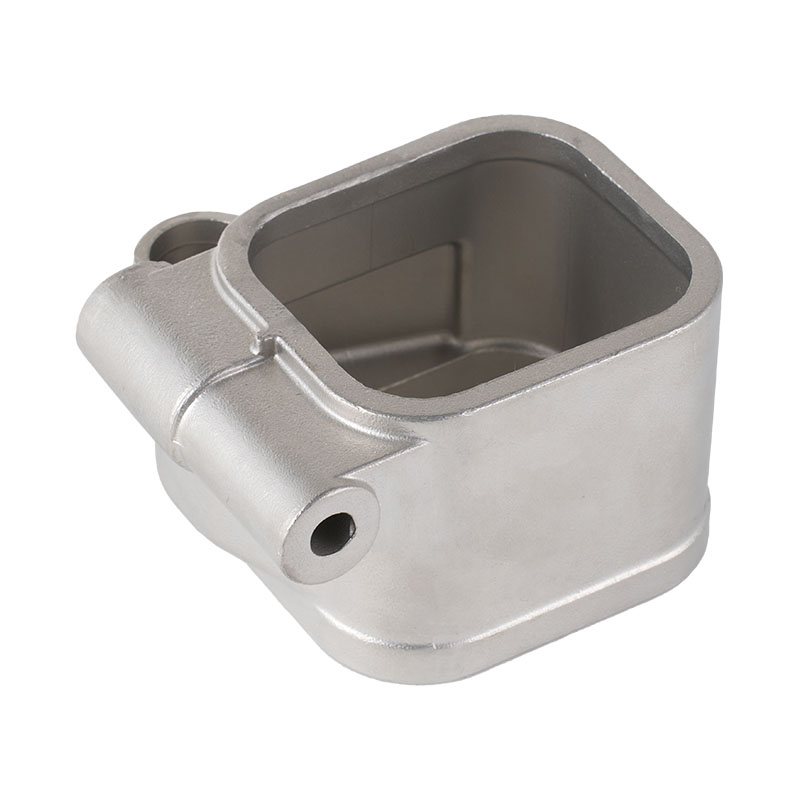
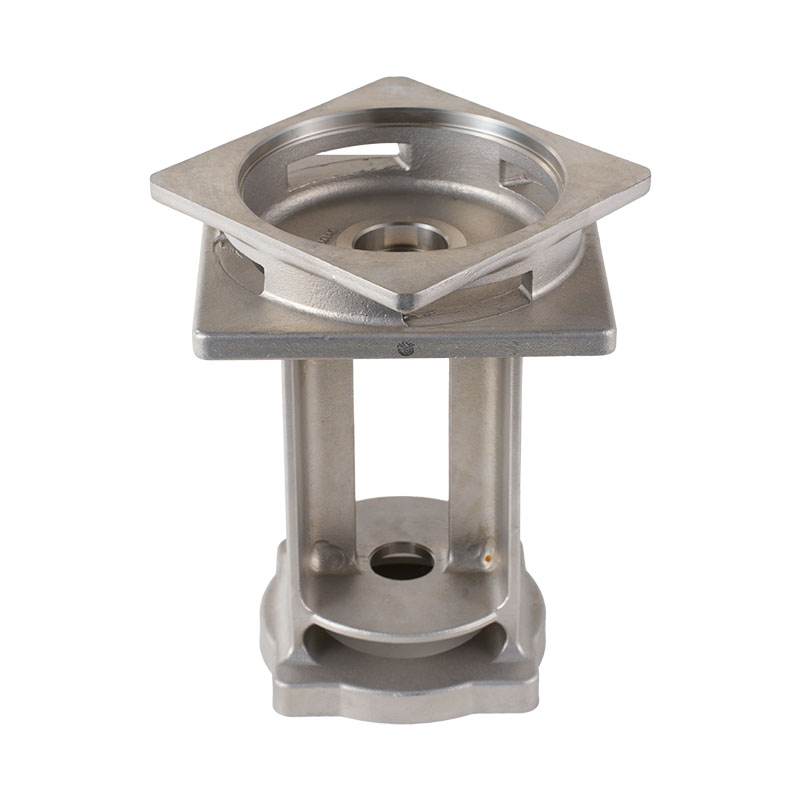
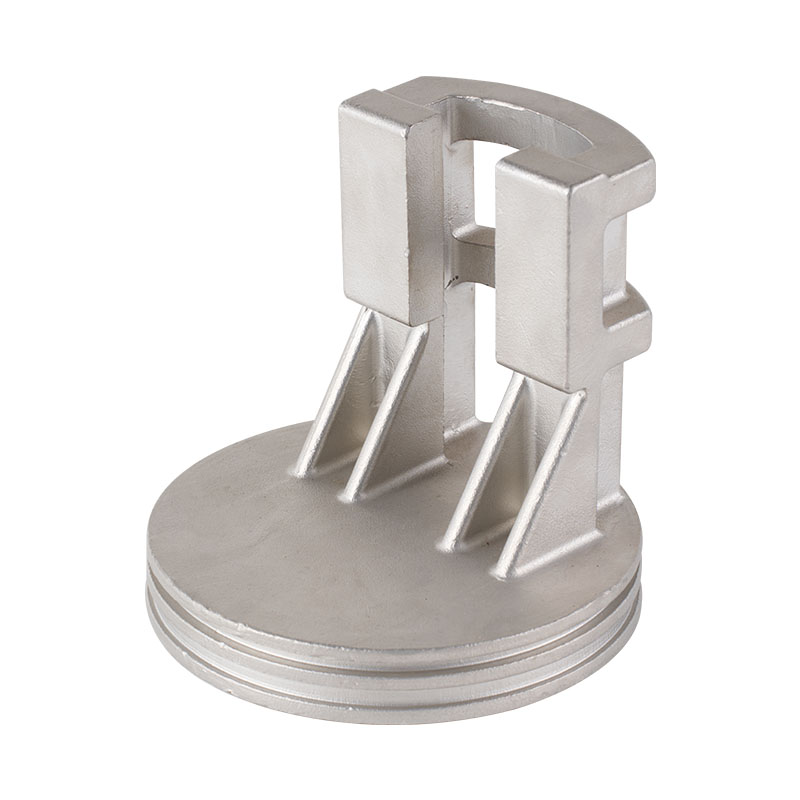
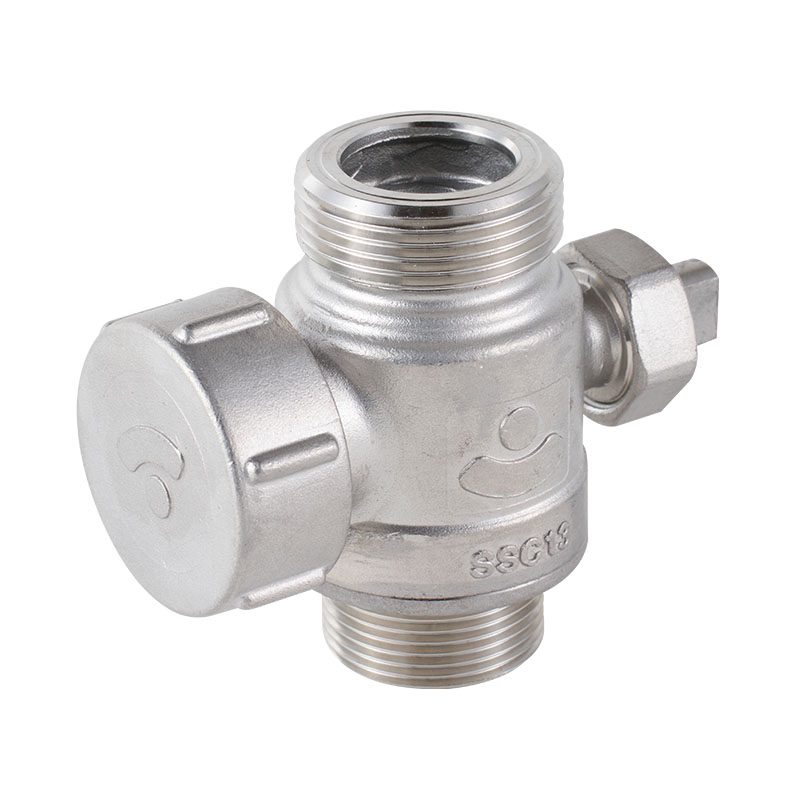
You need full flow. No restrictions. No pressure drop. That's what a full bore flange ball valve delivers. The ball has the same diameter as the pipe, so the flow path is straight through. Nothing narrows. Nothing obstructs. A full bore flange ball valve casting makes that possible.
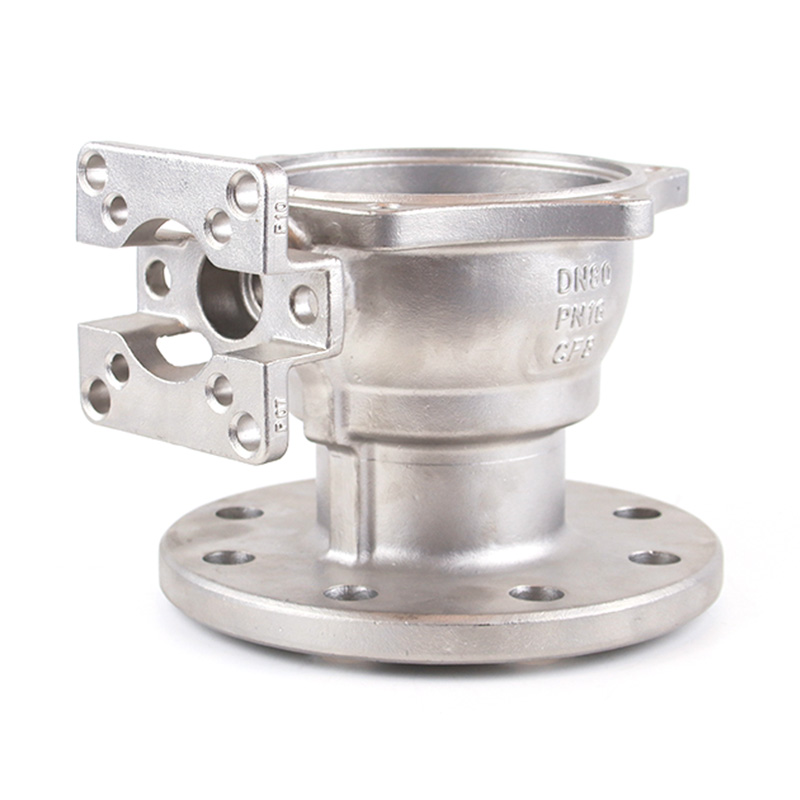
The ball opening matches the pipe size exactly
The ball has a bore diameter equal to the pipe ID. A full bore flange ball valve casting produces a valve with no reduction in flow area. The flow path is straight through when the valve is open. No bottlenecks, no turbulence.
Reduced turbulence means less pressure drop
With no narrowing, the fluid moves straight through. A full bore flange ball valve casting minimizes turbulence and pressure loss. High flow rates move efficiently. Pumping costs stay lower.
Passing solids and slurries without clogging
Full bore valves pass solids more easily than reduced bore valves. A full bore flange ball valve casting provides a clear path for slurries, viscous fluids, and materials with suspended solids. No dead zones for buildup.
A larger cavity to house the full-size ball
The valve body is larger than a standard bore design. A full bore flange ball valve casting has a larger internal cavity to fit the full-size ball. The wall thickness still meets pressure requirements.
Standard flanges, different internals
The flanges match the pipe size, not the valve bore. A full bore flange ball valve casting uses the same flange dimensions as a standard bore valve of the same pipe size. Installation is the same—the flow is different.
Matching components for proper sealing
The ball is larger, and the seats are sized to seal against it. A full bore flange ball valve casting requires matching seats, stem, and bearings. The full bore passage stays clear while the valve seals tight.
Common materials for full bore flange ball valve castings:
Pipelines and transmission lines
Full bore valves are the standard in pipelines. A full bore flange ball valve casting provides unrestricted flow for oil, gas, and water transmission. Lower pumping costs and no flow restriction.
Slurry and solids handling
Materials that settle or clog need full bore valves. A full bore flange ball valve casting handles slurries, sewage, and fluids with suspended solids. No accumulation, no blockages.
High-flow process systems
High-volume processes need full flow capacity. A full bore flange ball valve casting handles the demand of chemical plants, refineries, and processing facilities.
Pigging operations
Pipelines that are pigged need full bore valves. A full bore flange ball valve casting allows pigs to pass through without obstruction. The valve bore matches the pipe.
Pressure rating
The casting is larger than a standard bore valve. A full bore flange ball valve casting must have adequate wall thickness and material strength for the system pressure.
Material selection
The fluid dictates the material choice. Carbon steel for gas, stainless for corrosive fluids, duplex for high-pressure and corrosion. A full bore flange ball valve casting has to match the service conditions.
Casting integrity
Full bore castings are larger and more complex. A full bore flange ball valve casting should be inspected for porosity and inclusions. The casting must be sound to hold pressure.
Flange compliance
The flanges have to match the piping standard. A full bore flange ball valve casting uses ANSI, DIN, or JIS flanges with the correct bolt circle, thickness, and facing.
Seat compatibility
The seats have to seal against the larger ball. A full bore flange ball valve casting needs seats that handle the pressure and temperature. PTFE for general service, metal seats for high temperature.
Operating torque
Full bore valves have larger balls and higher torque. A full bore flange ball valve casting should be designed for the required operating torque. The stem, bearings, and actuator must be sized accordingly.
Testing
Hydrostatic testing confirms the valve is sound. A full bore flange ball valve casting should be tested for shell strength and seat leakage before installation.
Full bore flange ball valves are essential where flow needs to be unrestricted. The casting is larger, stronger, and more precise than standard bore designs. A full bore flange ball valve casting is the difference between a system running at peak efficiency and one that loses pressure, wastes energy, and struggles to move fluid. Get the casting right, and the valve delivers full flow. Get it wrong, and you'll never get what you paid for.