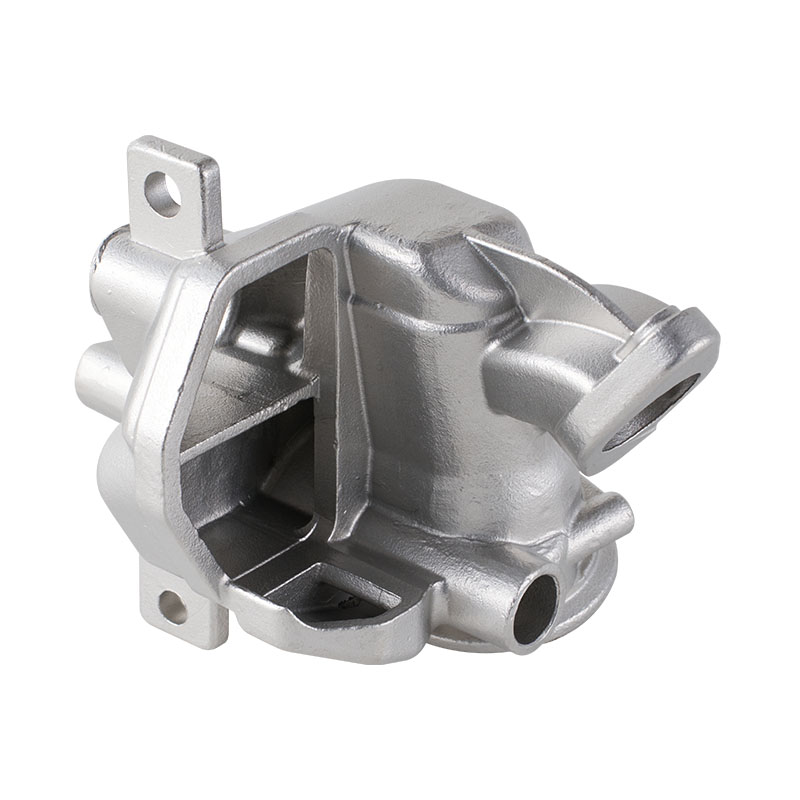
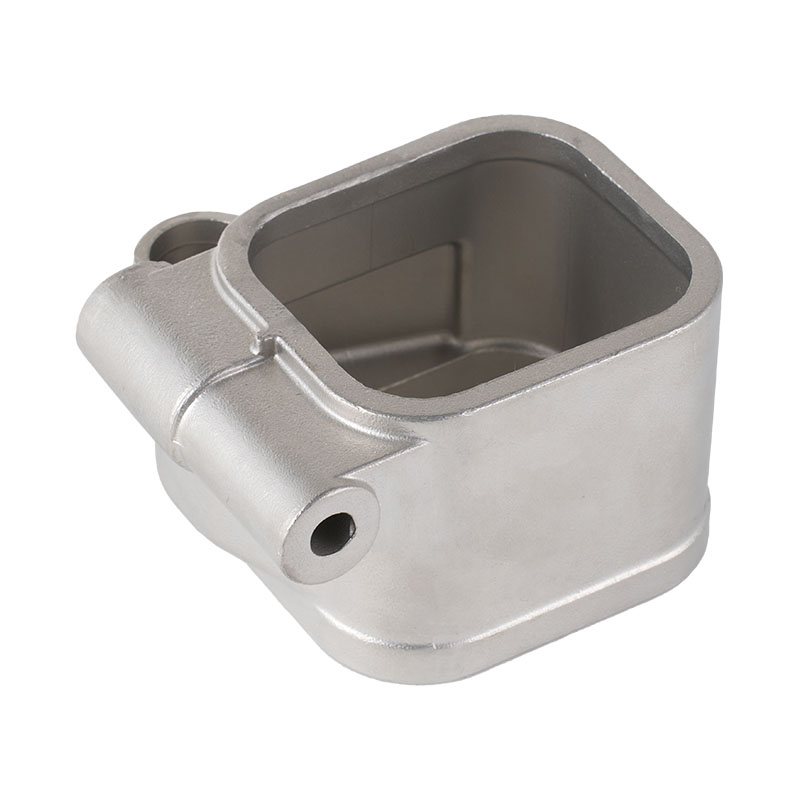
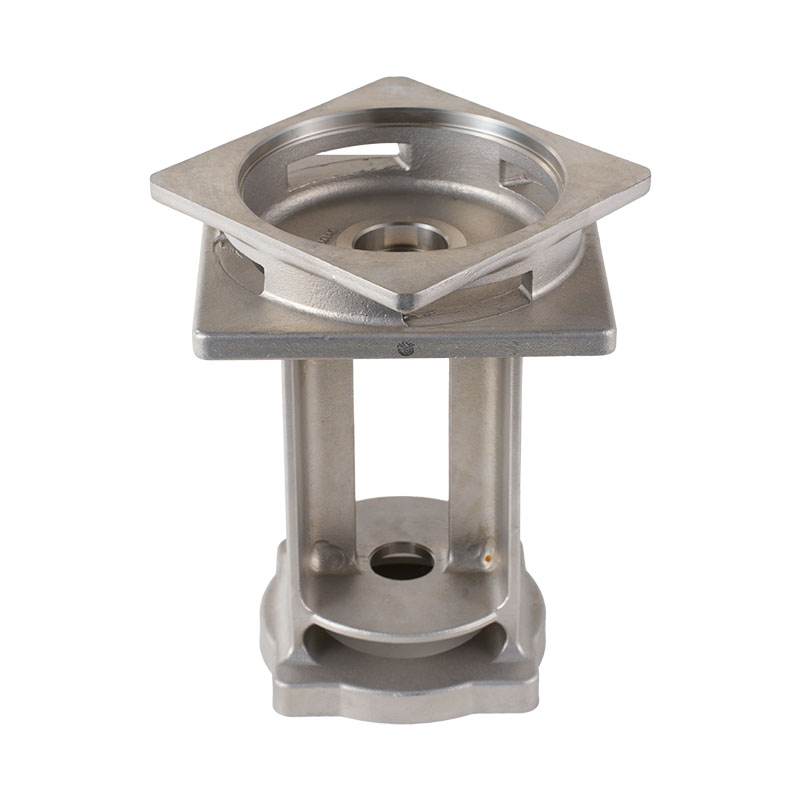
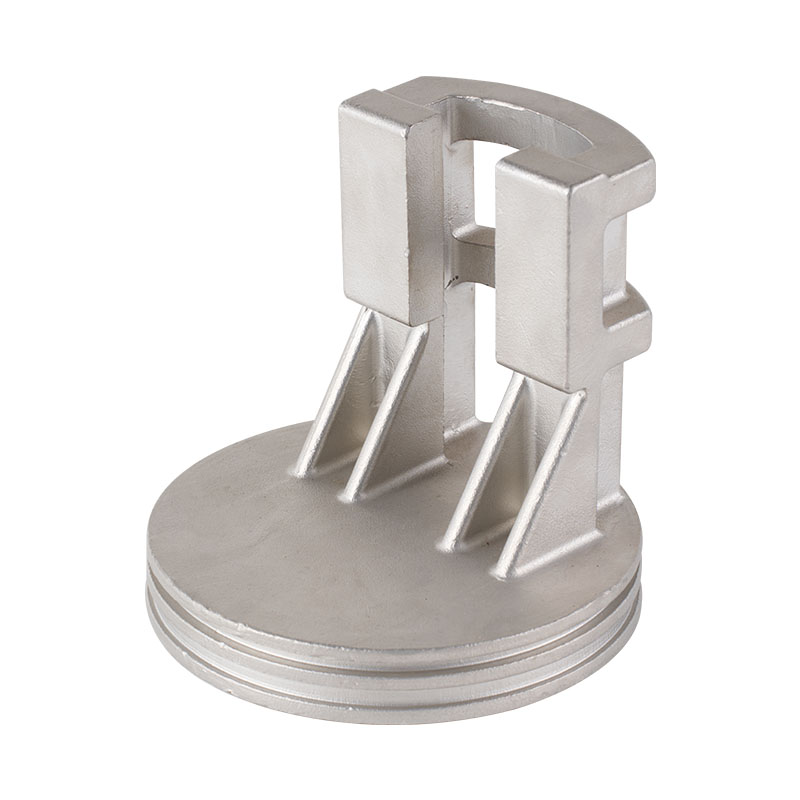
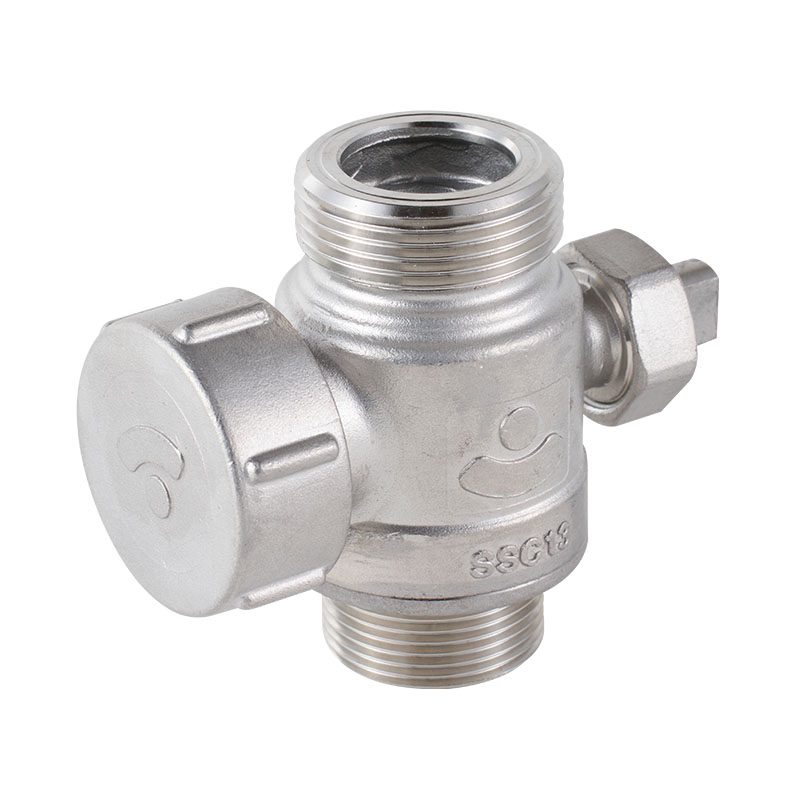
You don't think about it. But every time a ball valve opens, closes, or holds pressure, the casting is what makes it possible. Flanged ball valve casting parts are the foundation of the valve. They connect to the pipeline, contain the pressure, and support the moving parts. Get the casting wrong, and the valve leaks, binds, or fails. Get it right, and the valve works for years.
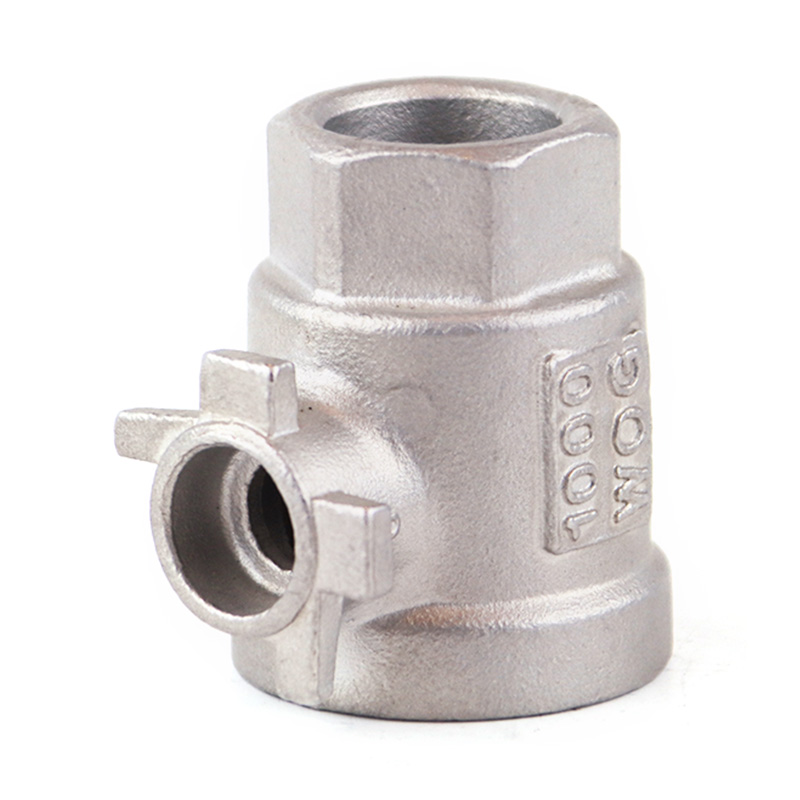
The valve body is the main pressure-containing part
The body is the casting that holds everything together. Flanged ball valve casting parts start with the body—the part that connects to the pipeline, contains the ball and seats, and handles the system pressure. It's cast in one piece or in multiple sections, depending on the design. The body takes the full pressure of the system.
The flanges provide the connection to the pipeline
The flanges are the flat, drilled ends of the valve body. Flanged ball valve casting parts include the flanges as part of the casting. They're machined flat and drilled with bolt holes. The flanges bolt directly to mating flanges on the pipe. No welding, no threading—just bolts.
The ball and stem are cast or forged separately
The ball is the rotating element that controls flow. Flanged ball valve casting parts typically include a cast or forged ball. The stem connects the ball to the actuator or handle. Both parts are cast separately, then machined and assembled with the body.
The body has to handle pressure and corrosion
The valve body has to hold the system pressure without leaking or bursting. Flanged ball valve casting parts are cast from materials that handle the pressure and resist the fluid being carried. The casting is dense and free from porosity. Weak spots aren't acceptable.
The flanges need to mate with pipe flanges precisely
Flanges have to match the pipe flange dimensions and drilling patterns. Flanged ball valve casting parts are cast with the flange dimensions that match the standard—ANSI, DIN, JIS. The flanges are then machined to the final dimensions. If they don't match, the valve doesn't install.
The internal passages are cast in, not machined
Ball valves have internal passages for the flow path. Flanged ball valve casting parts include these passages as part of the casting. The flow path is shaped to less pressure drop and turbulence. Machining these passages would be expensive or impossible.
Common materials for flanged ball valve casting parts:
Oil and gas pipelines
Pipelines need valves that hold pressure and resist corrosion. Flanged ball valve casting parts in carbon steel or stainless steel are used in pipeline applications. The flanged connections allow the valve to be bolted into the line. Maintenance is straightforward.
Chemical processing plants
Corrosive fluids require corrosion-resistant materials. Flanged ball valve casting parts in stainless steel or alloy materials are used in chemical service. The casting resists attack from acids, caustics, and solvents. The valve stays reliable.
Water and wastewater treatment
Large-diameter valves in water systems use flanged connections. Flanged ball valve casting parts in ductile iron or bronze are common. The flanges provide a secure, leak-free connection to the piping. Water systems run continuously.
Power generation
High-temperature, high-pressure applications need robust materials. Flanged ball valve casting parts in alloy steel or stainless steel are used in power plants. The flanges handle the thermal expansion and pressure cycling.
Material grade
The casting material has to match the service. Flanged ball valve casting parts in the wrong material won't last. CF8M is better than CF8 for corrosive service. WCB is fine for moderate temperatures but not for bad heat. The alloy selection determines the valve's life.
Casting soundness
Porosity and inclusions compromise pressure retention. Flanged ball valve casting parts should be inspected for internal defects. X-ray or dye penetrant testing catches flaws before they become problems.
Flange dimensions
The flanges have to match the pipe flanges. Flanged ball valve casting parts should have the correct bolt circle, thickness, and facing. If the flanges don't match, the valve won't install.
Machining quality
The flanges, bores, and sealing surfaces have to be machined accurately. Flanged ball valve casting parts with poor machining leak or bind. The sealing surfaces need the specified finish.
Pressure rating
The casting has to be rated for the system pressure. Flanged ball valve casting parts should have a clear pressure rating—ANSI Class 150, 300, 600, or higher.
Testing and certification
The casting should be tested before assembly. Flanged ball valve casting parts should have documented hydrostatic testing. The test certificate confirms the casting meets the pressure requirements.
Flanged ball valve casting parts are the foundation of a valve that's built to last. The body, the flanges, and the internal passages all start as castings. The material, the casting quality, and the machining accuracy determine how well the valve performs. Choose a manufacturer that tests their castings, machines them precisely, and stands behind the quality. That's the difference between a valve that works and one that doesn't.