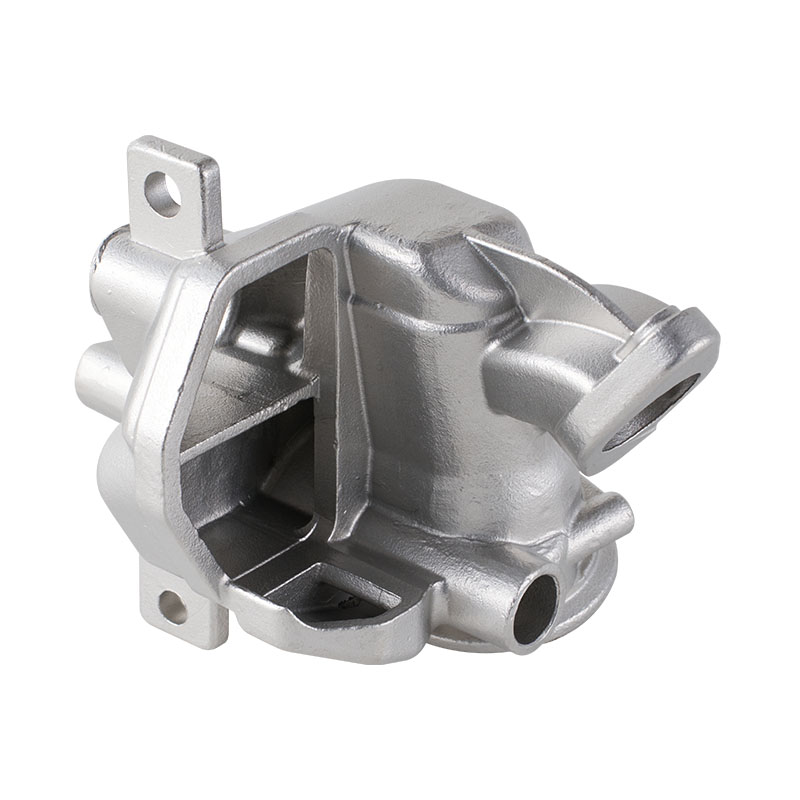
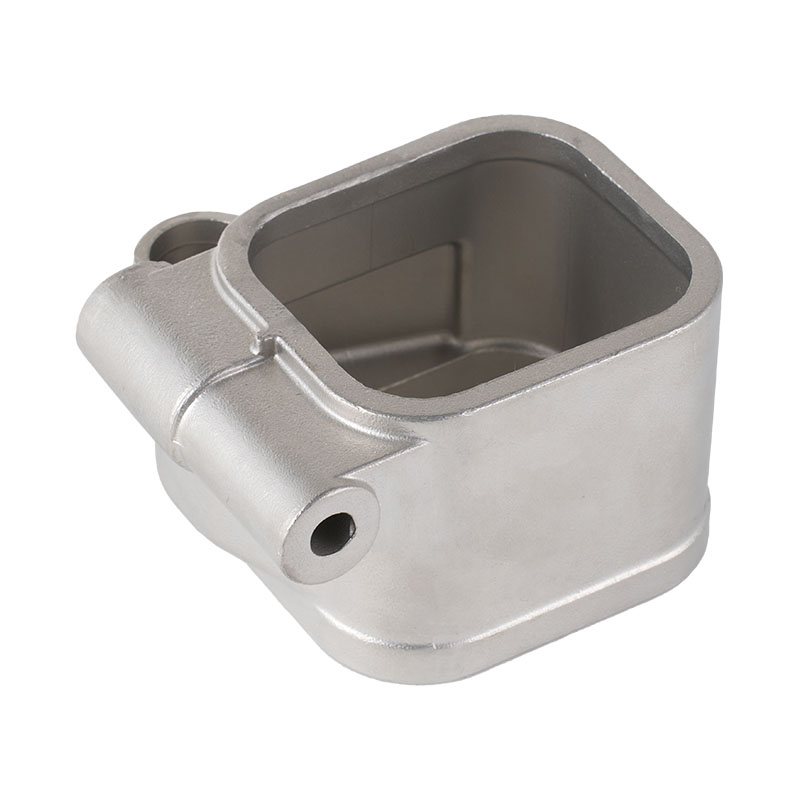
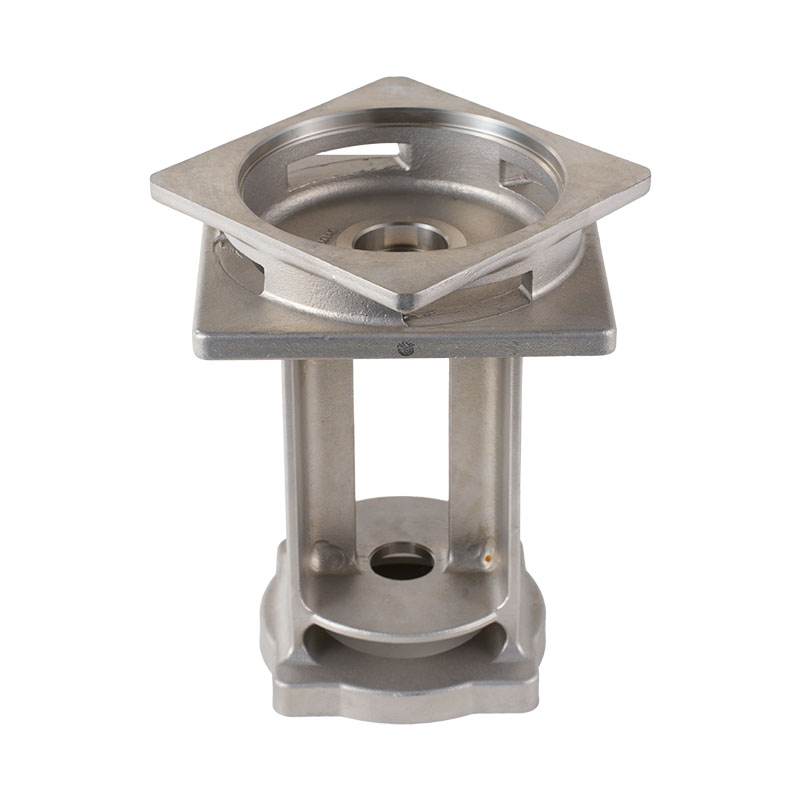
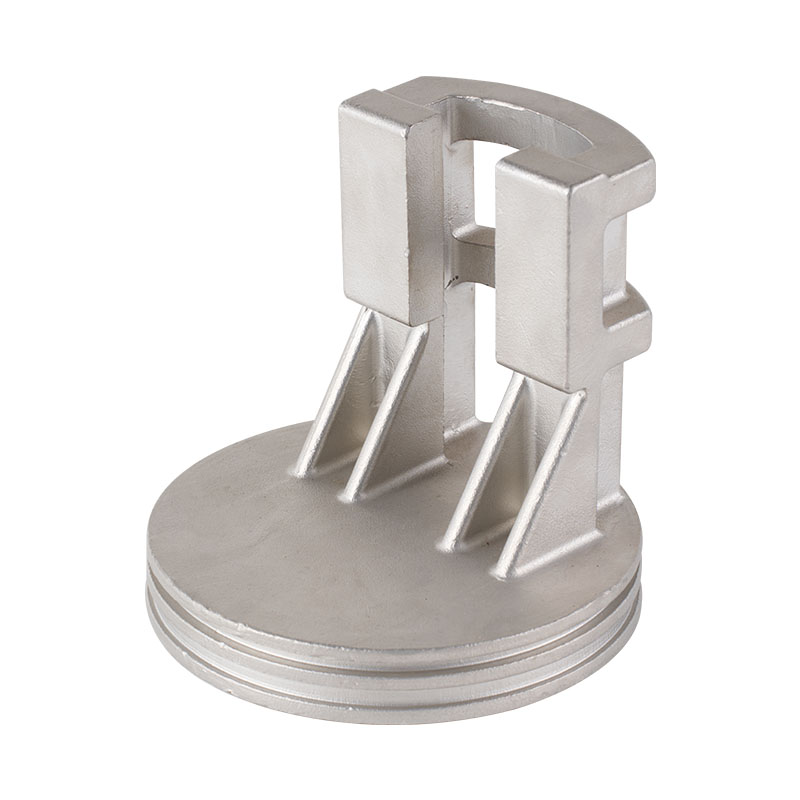
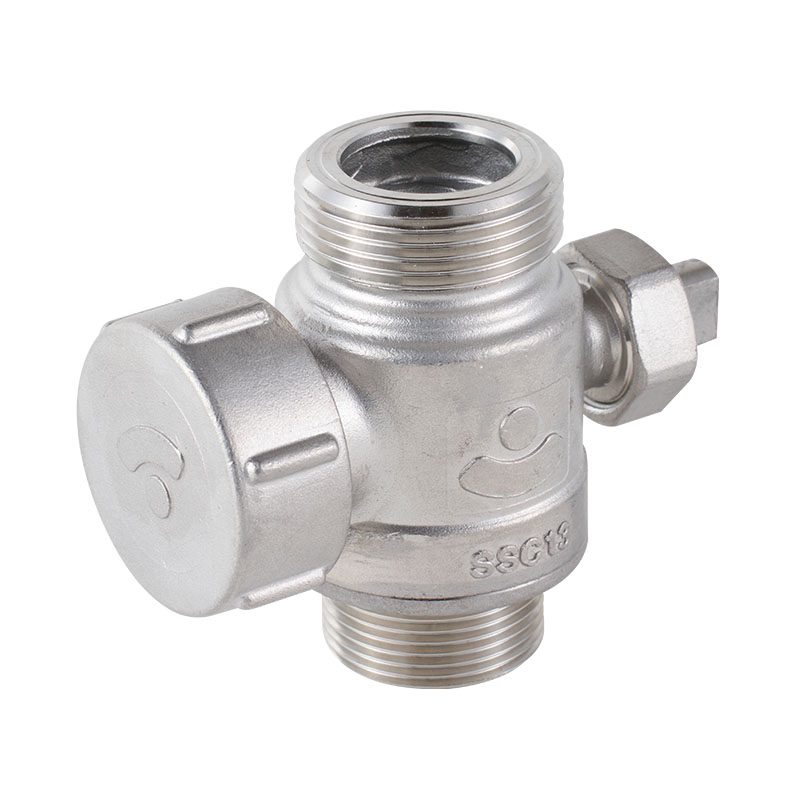
Flame Retardant Valve Casting is receiving growing interest across petrochemical, gas transmission, storage tank equipment, and other safety-focused sectors. As industrial facilities continue to balance weight reduction, structural reliability, and fire-related risk control, the use of flame-resistant magnesium and aluminum-magnesium alloys is becoming a topic of research and discussion among engineers and procurement teams. These alloys are being studied for their behavior under high temperatures, their forming capability in die-casting processes, and their potential use in next-generation valve body production.
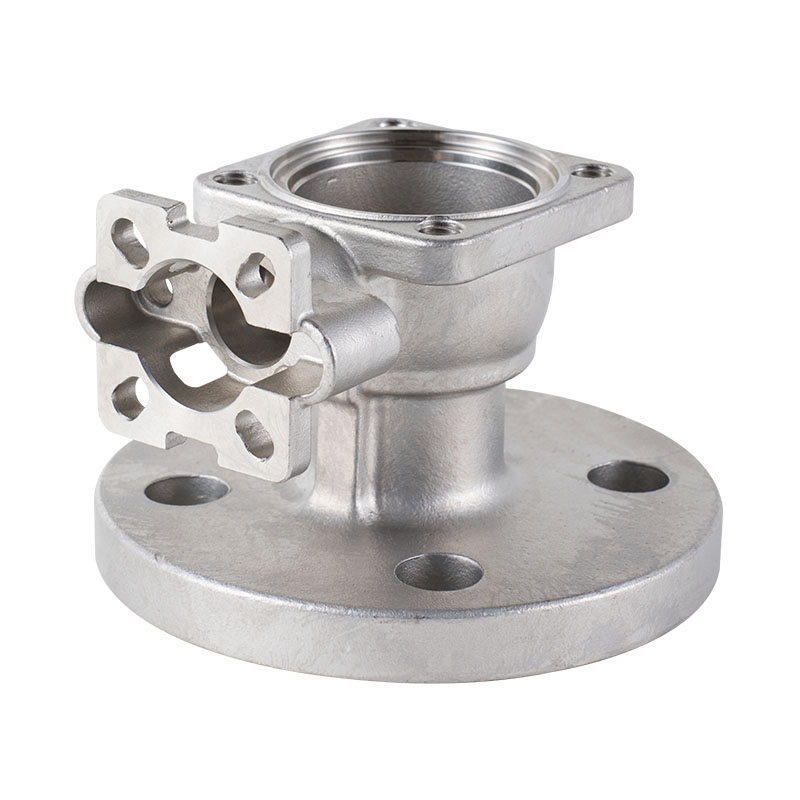
Recent technical publications show that magnesium alloys with added calcium (Ca) or selected rare-earth elements can maintain stability when exposed to high-temperature flames. Instead of sustaining combustion, the material tends to melt while retaining controlled behavior, allowing engineers to evaluate it for applications where traditional magnesium would not be considered.
Compared with carbon steel, stainless steel, or ductile iron—materials commonly used for valve bodies—flame-resistant magnesium-based alloys offer a different performance profile. Conventional alloys continue to be the mainstream choice for pipelines and storage systems handling pressurized or corrosive media. However, magnesium-based options are now being evaluated for scenarios where weight efficiency and controlled fire exposure behavior are important.
Beyond materials, functionality is becoming a decisive factor in procurement. In storage tank facilities, combination-function valves such as flame-arrest breather valves are widely used to balance internal tank pressure while managing ignition risks. A representative example often referenced in the market is the ZFQ-1 breather-type configuration, which integrates venting and flame-arrest design into one unit. Although product designs vary across manufacturers, breather valves generally support applications involving low-flash-point liquids, light fuels, and certain chemical media. They allow tanks to discharge or intake air during temperature or volume changes, and they include a flame barrier section designed to reduce the chance of flame propagation in emergencies.
The discussion around Flame Retardant Valve Casting, therefore, extends beyond metallurgy alone. Many engineering teams are reviewing how flame-resistant alloys could potentially be matched with valve structures that already integrate safety-related components. If casting methods and alloy stability continue to improve, more facilities may explore multi-function valve designs produced with lightweight materials, especially in installations where equipment quantity is high and system weight influences overall operation.
Manufacturing considerations play an equally important role. Magnesium alloys require careful handling during melting and casting to avoid interaction with moisture or wet molding media. This differs from the production flow used for iron-based castings, meaning foundries considering such alloys must evaluate furnace setup, mold materials, gating design, and downstream finishing processes. Heat treatment procedures and protective coatings may also vary to ensure stable surface behavior before the valve body is machined and assembled.
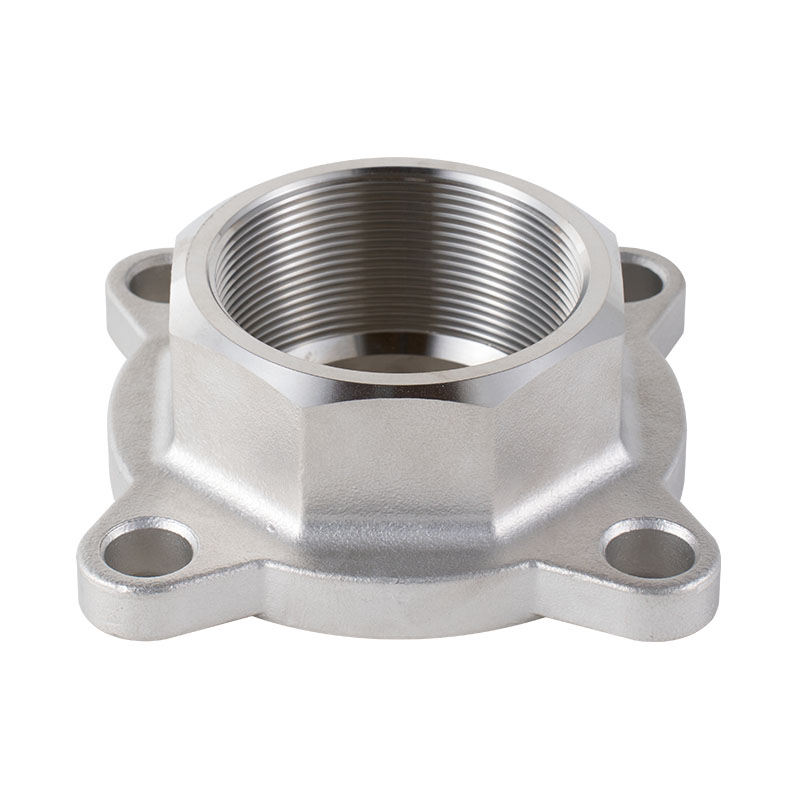
As industries move toward lighter components, updated safety requirements, and diversified material options, many decision-makers are asking the same questions: How can a valve casting provide stable mechanical support while offering predictable behavior under temperature stress? How do different alloys influence the overall system when integrated with flame-arrest or breather-type mechanisms? And how do these choices compare with long-established materials already supported by global supply chains?
For companies evaluating new material routes, Flame Retardant Valve Casting offers an additional direction to explore. Manufacturers working on valve bodies, breather valves, or flame-arrest configurations may find value in assessing how magnesium-based alloys align with their casting technology and product strategy.