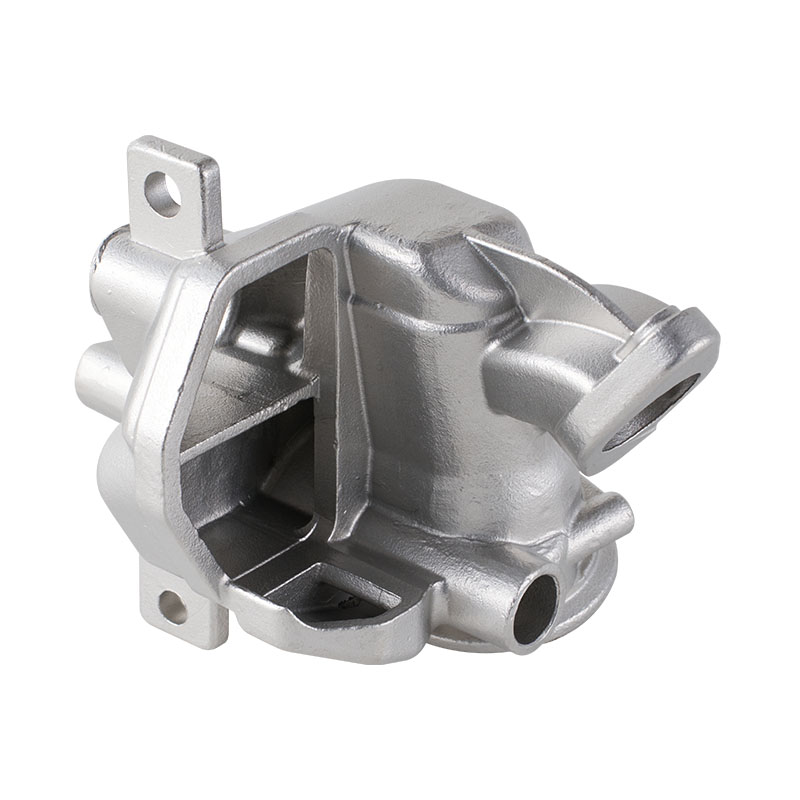
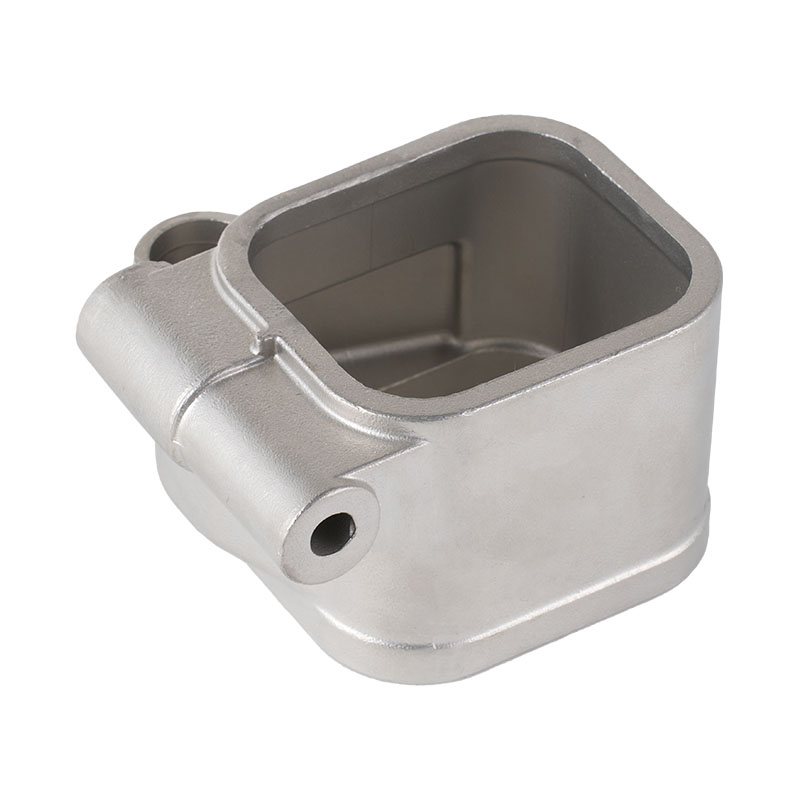
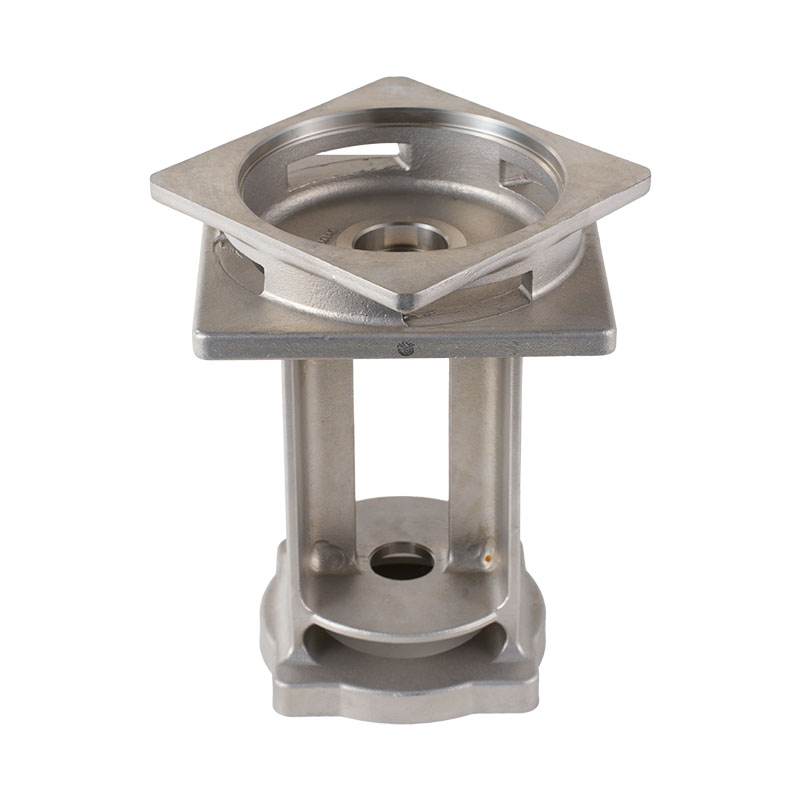
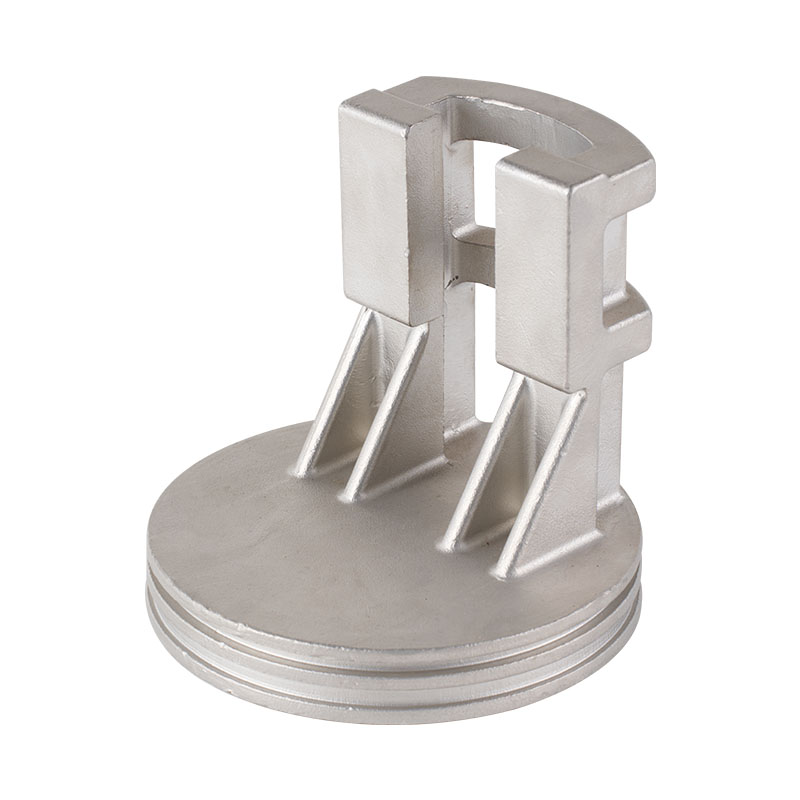
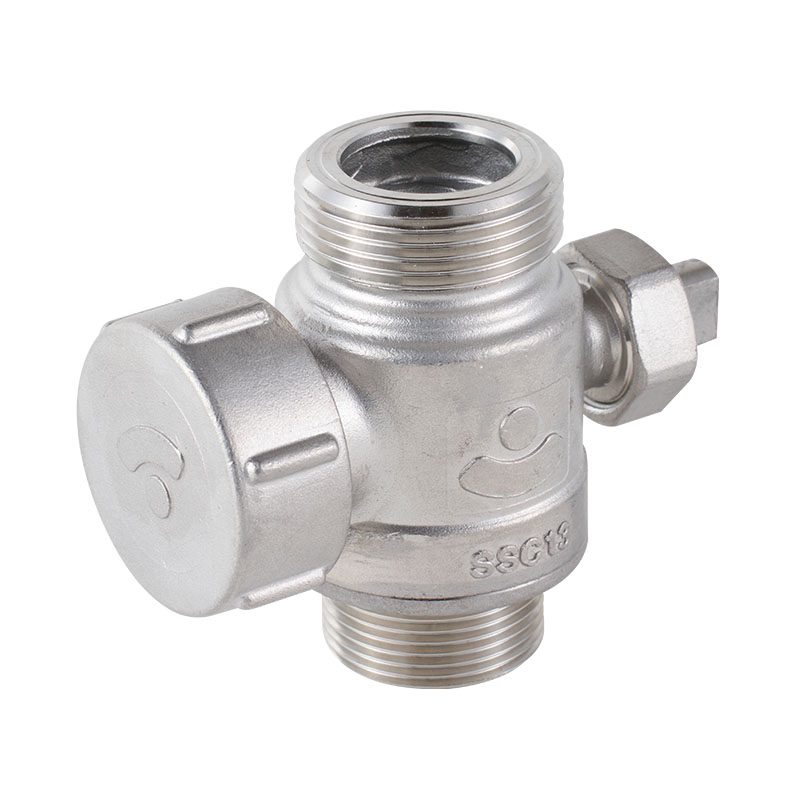
Pipe Fittings Castings stand at the heart of modern piping systems as manufacturers and infrastructure operators seek parts designed for higher stress, more complex geometry and longer service life. The castings segment within the pipe fittings market draws increasing attention because advanced material and mould‑technology offer stronger, more reliable components in harsh environments.
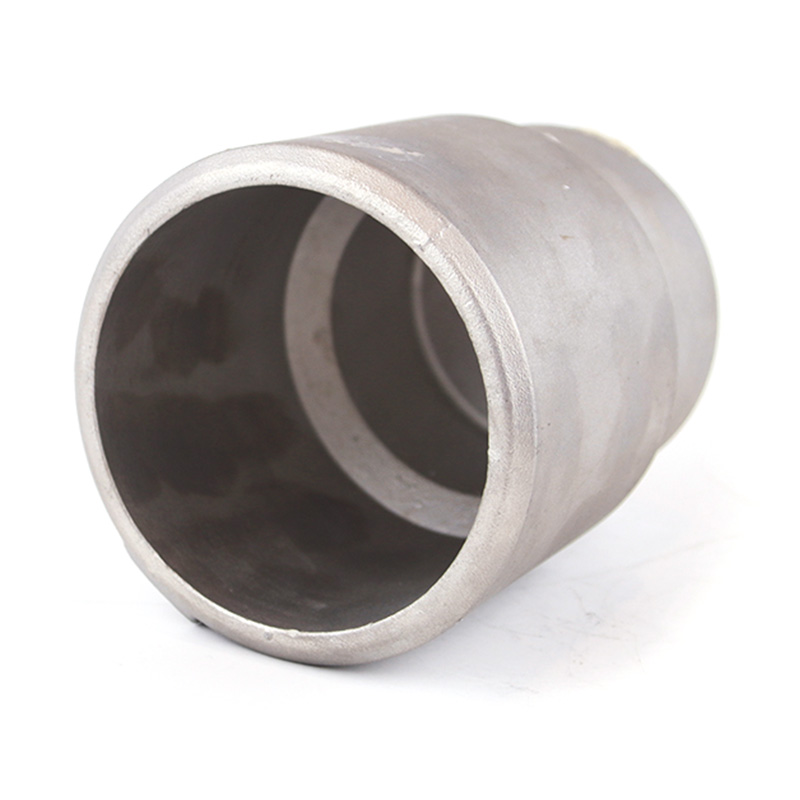
Pipe Fittings Castings Efficiency Gains
From a manufacturing plant viewpoint, producing cast pipe fittings yields significant gains in throughput and consistency. For example, using a sand‑casting process optimised for ductile iron fittings can reduce scrap rate from 7 percent to 4 percent, which in turn boosts usable output by nearly 43 percent. At the same time, a cast part designed as a single‑piece holder for a valve flange replaces a fabricated assembly of three welded parts—this change can shorten assembly time by roughly 20 percent and reduce alignment errors. When factories shift from generic castings to high‑precision castings built for tight tolerances, production lines report improvement in yield and less downstream correction work.
Pipe Fittings Castings Positive Feedback Loop
End‑users of piping systems report improved reliability when cast fittings replace traditional parts. In one field case, a ductile‑iron cast elbow used in a high‑pressure system reduced joint‑leak incidents from 1.2 percent of total connections to about 0.5 percent over the first year—a drop of nearly 58 percent. Maintenance teams note fewer wear‑related failures, smoother valve operation and less service downtime. These positive feedbacks drive repeat orders and set a benchmark: castings are no longer just “parts” but elements of system integrity. The qualities being praised most often include uniform wall thickness, tight dimensional control and ability to handle cyclic loads without distortion.
Pipe Fittings Castings Compared To Traditional Methods
When compared to conventional stamped or welded fittings, cast pipe fittings reveal distinct advantages. A welded assembly might need inspection or rework roughly 12 percent more often than a cast equivalent during the first season of operation in demanding settings. On the other hand, a cast fitting might show an 18 percent lower failure rate in the same timeframe. Castings benefit from one‑piece geometry, consistent metallurgy and fewer weak spots at joints—like replacing several link‑segments with a single continuous bridge. For factories this means fewer tools, fewer process steps and more predictable quality. For operators this means less unplanned replacement, lower leak risk and reduced total cost of ownership.
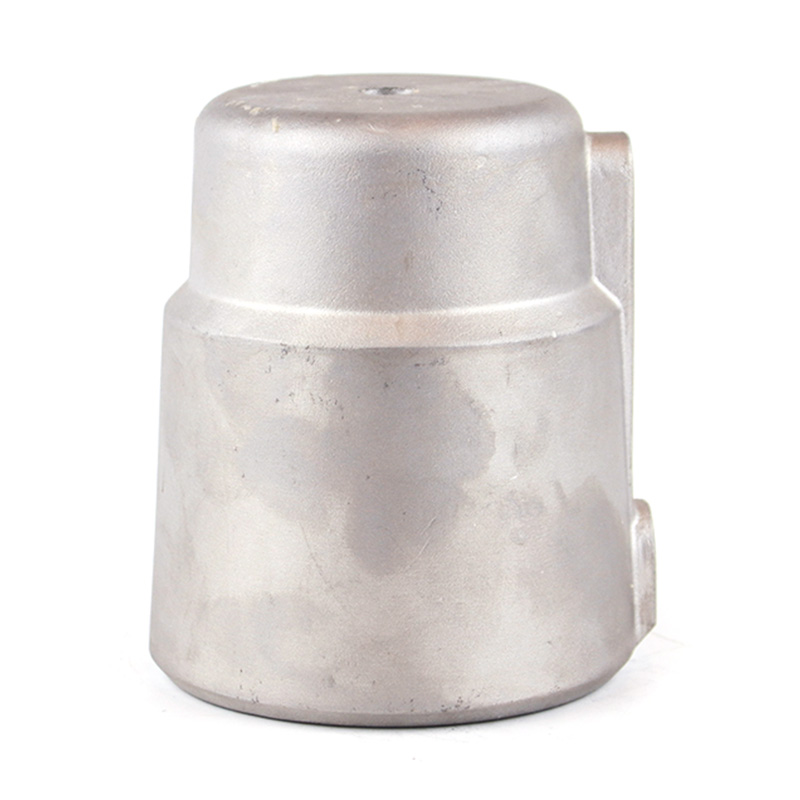
Pipe Fittings Castings Manufacturing Perspective And Outlook
From the factory floor perspective, key factors for cast pipe fittings include alloy specification, mould‑design precision, heat‑treatment control and post‑cast machining accuracy. Factories are now targeting dimensional tolerances of ±0.10 mm rather than ±0.25 mm for critical sealing surfaces, enabling valve seats and pipe flanges to mate with minimal residual stress and no leak‑paths. Many foundries aim to reduce sand‑core change‑times by 30 percent, enabling faster changeover. In future the segment is likely to evolve via automation, real‑time thermal monitoring and additive‑aided moulding techniques to support more intricate geometries and thinner walls. Such advances ensure that no matter whether simple or complex geometry is required, production methods deliver castings that meet high standards.
In conclusion, Pipe Fittings Castings represent a technical backbone for reliable piping infrastructure. From efficiency gains through manufacturing to real‑world performance improvements and reduced maintenance overhead, castings deliver measurable value. At Baoli foundry, we guarantee that whether you require simple designs or complex geometries, our advanced manufacturing methods ensure every casting meets high‑standard dimensional accuracy.