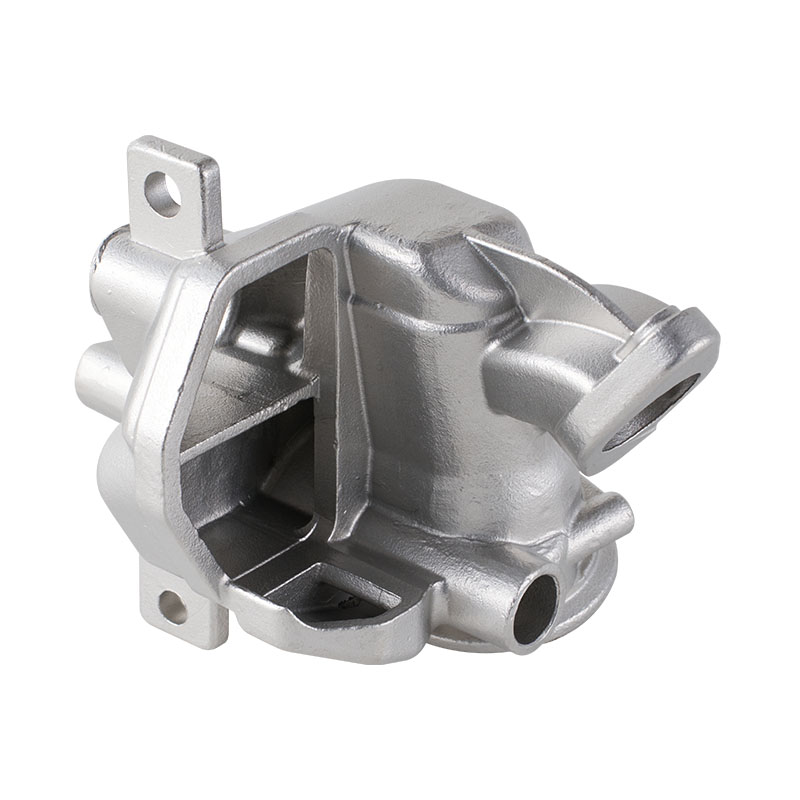
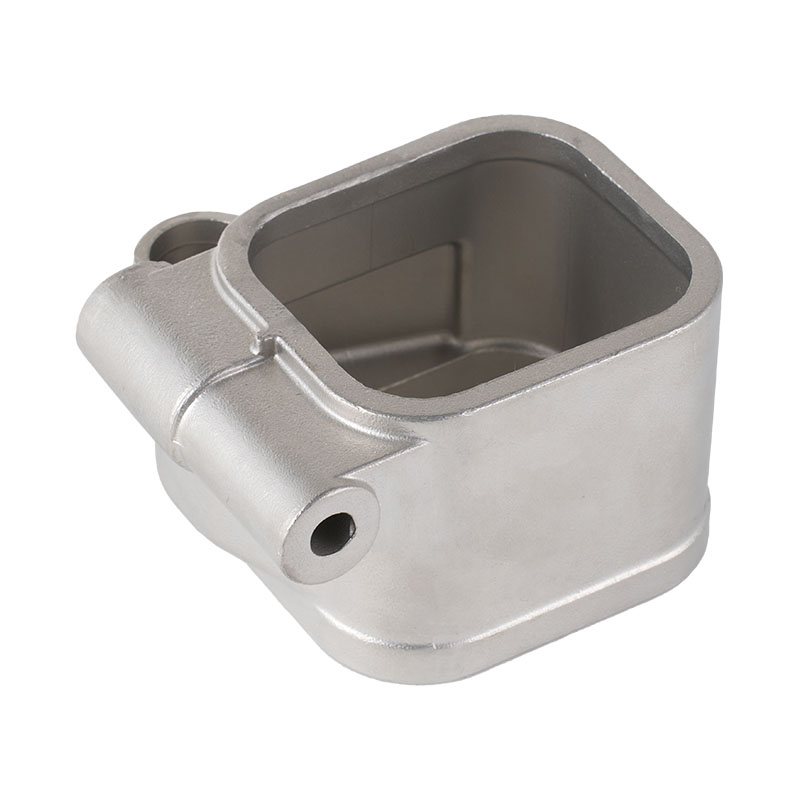
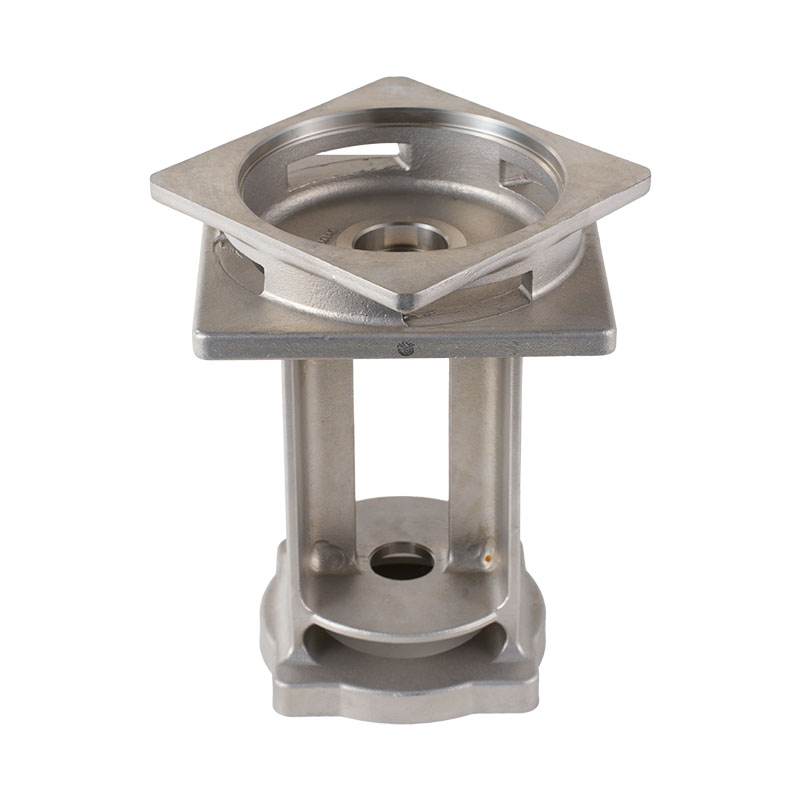
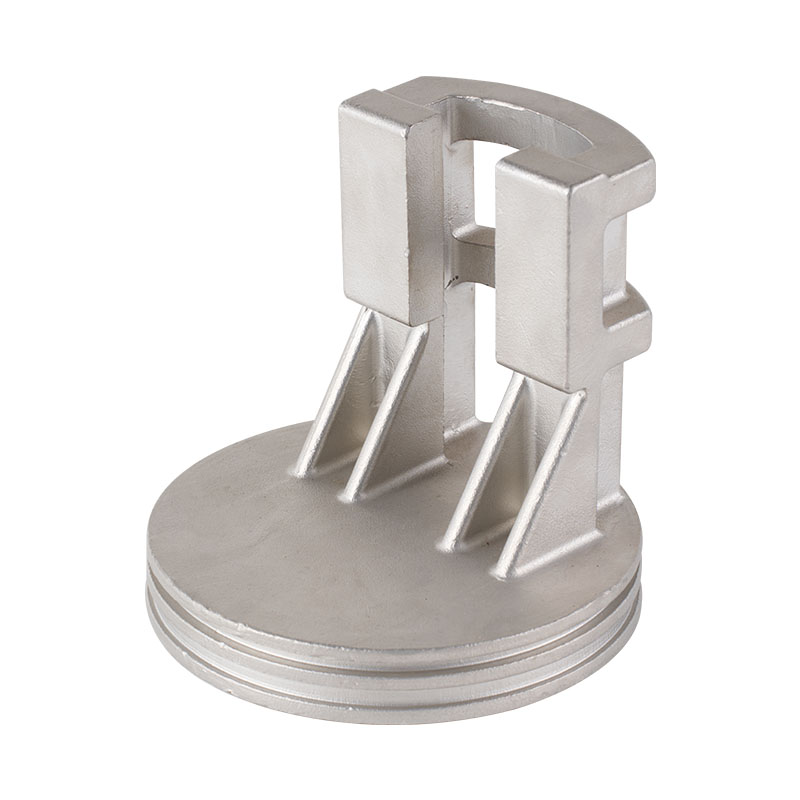
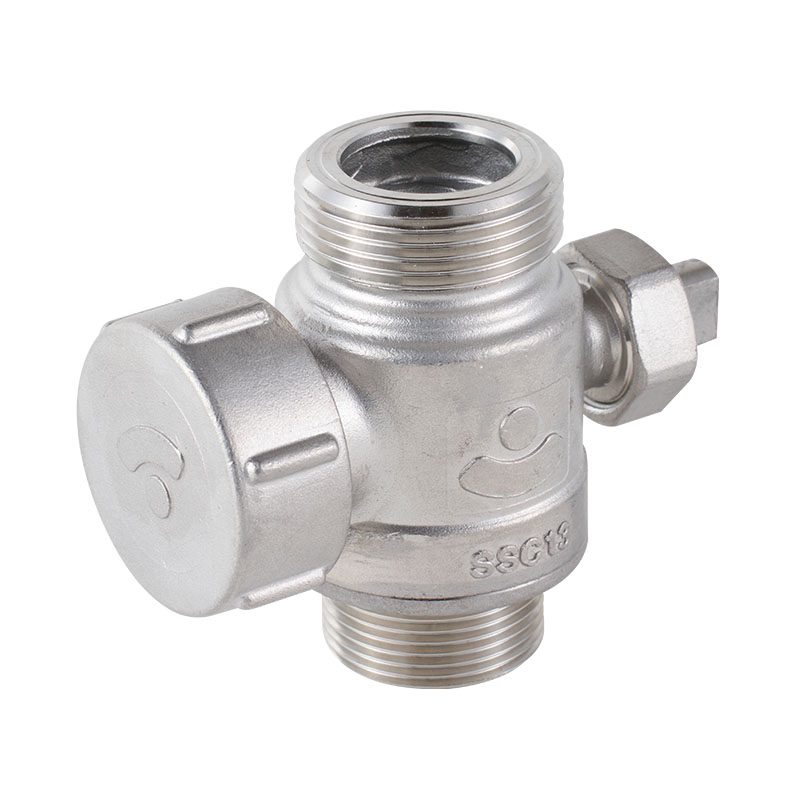
Petroleum Valve Casting is drawing increased attention as oil and gas facilities continue to upgrade equipment for high-pressure, high-temperature and corrosive operating environments. In refining, petrochemical processing, LPG transfer, naphtha handling, heavy-oil treatment, desulfurization and catalytic cracking units, the demand for durable cast steel and alloy-based valves is rising steadily.
Traditional materials such as carbon steel, stainless steel, alloy steel and ductile iron continue to serve as mainstream options for cast valves used in refining and petrochemical platforms. These materials help handle elevated temperatures, pressure variations and corrosive media commonly found in units dealing with sulfur-containing feedstock or aggressive chemical streams. Many engineering teams prefer cast configurations—such as cast globe, gate, ball and check valves—because they offer a structured balance between mechanical strength, service longevity and cost-effectiveness.

A notable shift is occurring as more oil and gas facilities begin integrating automation and remote-control systems. Instead of conventional manually operated valves, newer projects often adopt actuator-driven assemblies combined with sensors and monitoring components. When paired with cast valve bodies, these digital features support streamlined plant operations, more consistent process control and reduced human involvement in hazardous zones. Automated systems can also contribute to performance monitoring, allowing early detection of pressure fluctuations or flow irregularities.
Material selection is another focal point in Petroleum Valve Casting discussions. Offshore production units, LNG plants and chemical processing facilities operate in environments where corrosion risk is significant. While standard steels remain essential, interest is increasing in nickel-based alloys, corrosion-resistant alloys and titanium materials for areas where fluid composition, temperature and exposure conditions demand more robust protection. These materials support valve performance in marine applications, sour-gas treatment and high-salinity operations. Their adoption, although dependent on budget and application priorities, gives manufacturers a broader portfolio to offer, helping customers match valve characteristics with their specific media and pressure requirements.
The material diversification trend also creates new differentiation opportunities among suppliers. Some manufacturers emphasize expanded alloy ranges, while others focus on design adaptability, such as reinforced sealing surfaces, optimized flow channels or structures suitable for abrasive or thermally unstable media. Many procurement teams compare these features carefully as they prepare for long-term projects, particularly those requiring high operational continuity or long maintenance intervals. Flexibility in design and casting capability allows facilities to balance cost, performance and installation constraints more effectively.
As the energy sector undergoes ongoing adjustments, the role of Petroleum Valve Casting continues to evolve. The combination of automation adoption, alloy development and rising interest in corrosion-resistant designs reflects the broader goals of plant operators who aim to build safer, more predictable and more efficient processing lines. Casting producers that align with these trends may find growing opportunities in both established and emerging markets, especially where reliability, material suitability and long-term operation are major evaluation points.
Companies exploring procurement options or planning equipment upgrades often look for suppliers capable of offering multiple casting materials, stable quality-control systems and design configurations tailored to their installation requirements. With various global regions investing in refining expansions and pipeline modernization, the demand for petroleum-grade cast valves is expected to remain active.