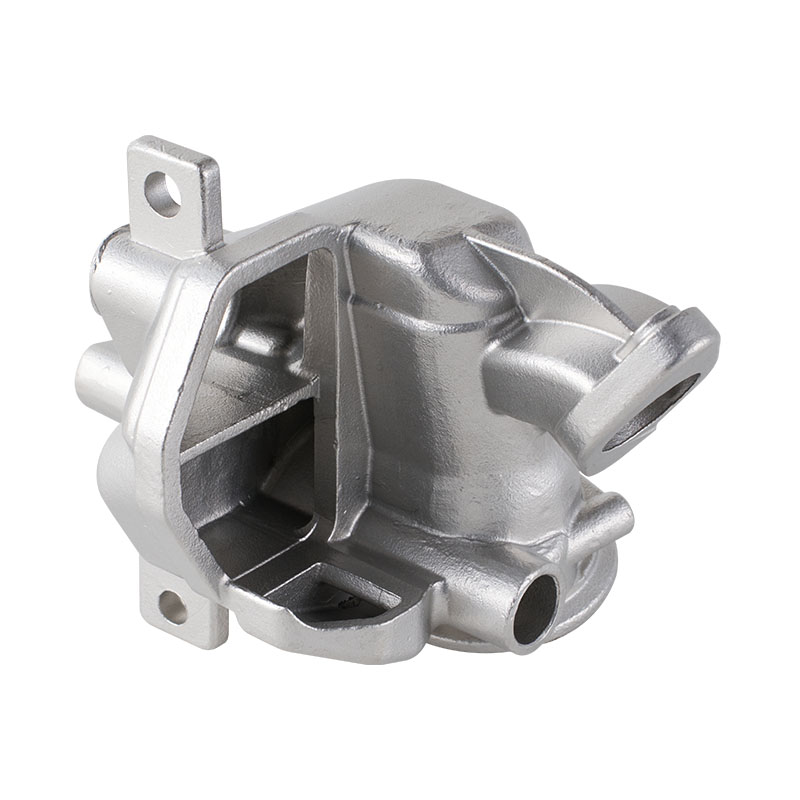
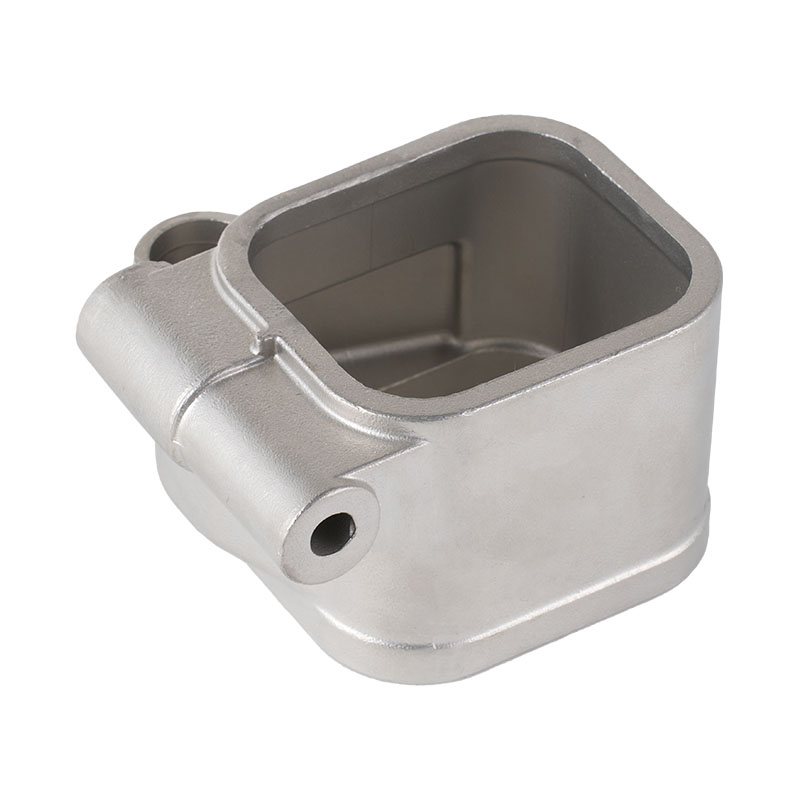
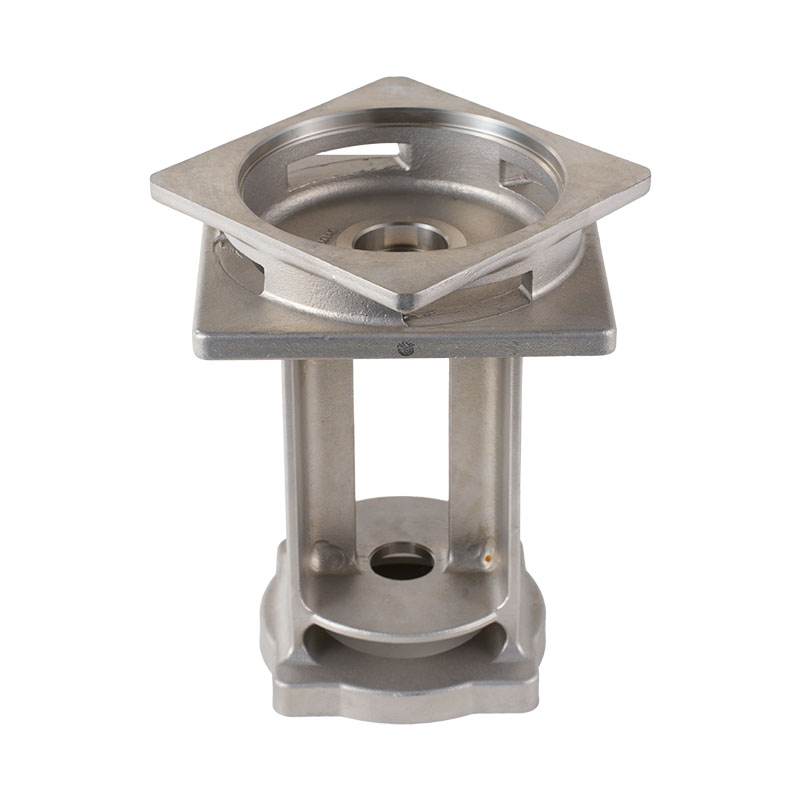
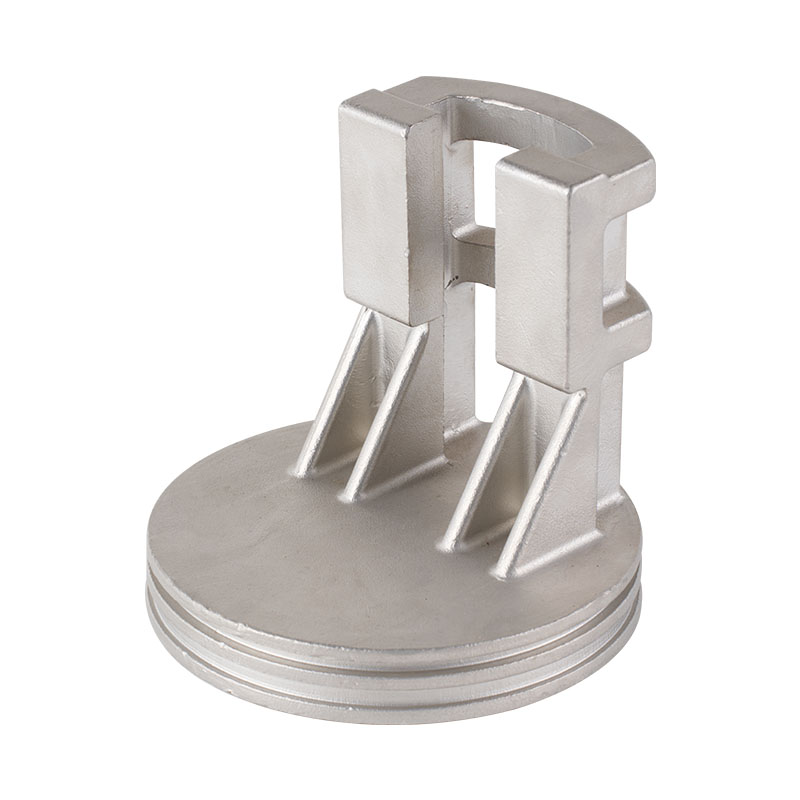
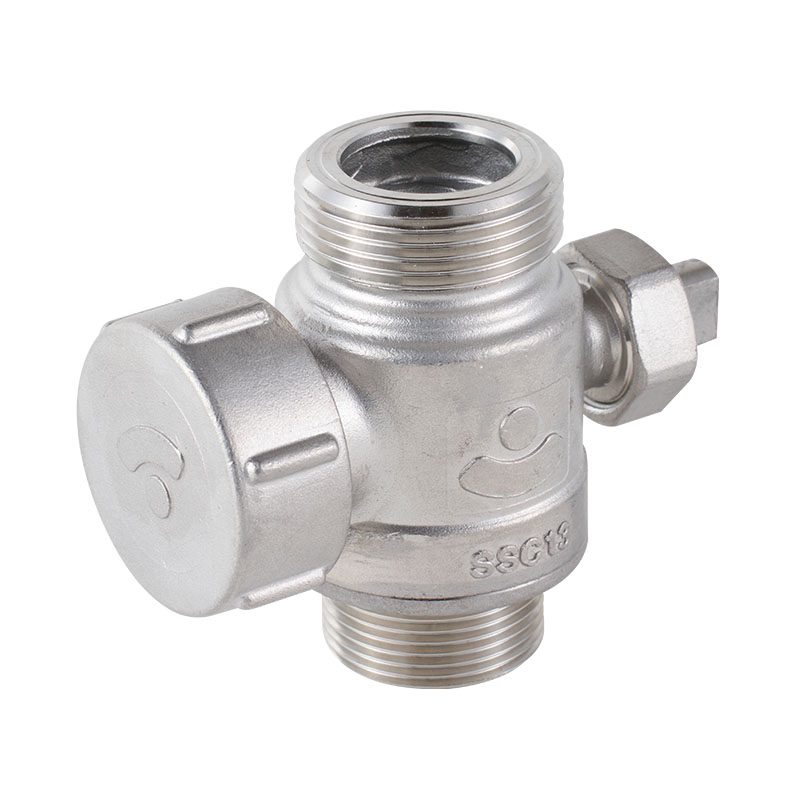
Check valves are the unsung heroes of piping systems. They open when flow is moving forward. They close when flow stops or reverses. The spring ensures the valve closes quickly. Spring check valve casting parts provide the body and bonnet that house the spring and disc. The casting has to be sound, the material has to resist corrosion, and the dimensions have to be precise. Spring check valve casting parts manufacturers produce these components for water treatment, chemical processing, and industrial piping systems.
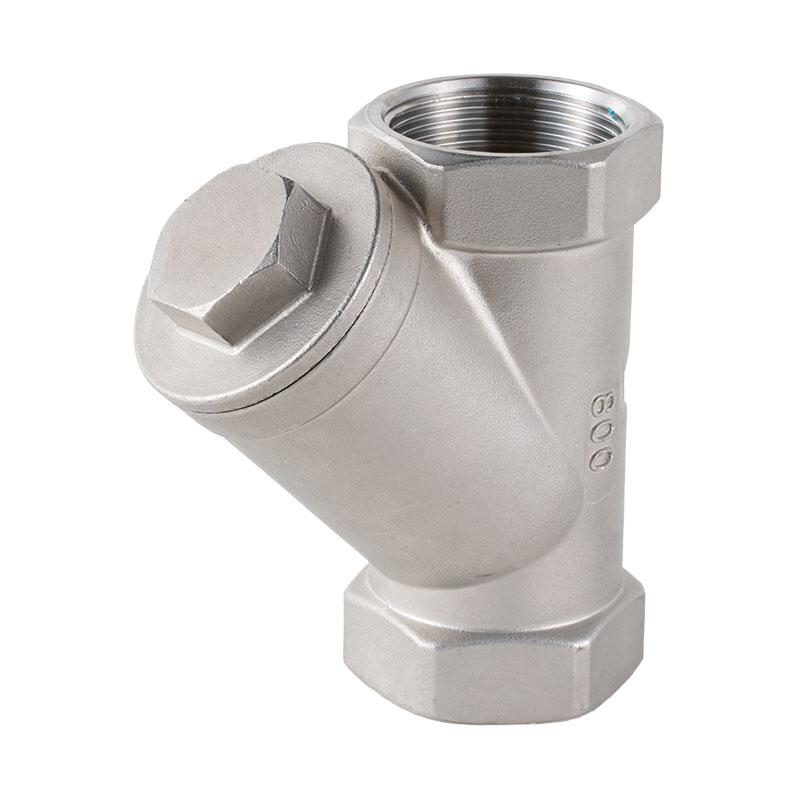
The valve body is the primary pressure boundary
The body contains the system pressure. Spring check valve casting parts manufacturers cast the body to withstand the rated pressure without deforming or leaking. The body has to hold the pressure when the valve is closed.
The bonnet encloses the spring and disc
The bonnet covers the top of the valve. Spring check valve casting parts manufacturers cast the bonnet to contain the spring and guide the disc. The bonnet has to stay sealed under pressure.
The body provides the connection to the piping
The valve connects to the pipeline through flanges, threaded ends, or grooved ends. Spring check valve casting parts manufacturers cast the body with integral flanges or threaded ends that match the piping system.
Common materials for spring check valve castings:
The spring forces the disc against the seat
The spring keeps the disc closed when there's no forward flow. Spring check valve casting parts manufacturers design the body and bonnet to hold the spring securely.
The disc seals against the seat to prevent backflow
When flow stops or reverses, the disc returns to the seat. Spring check valve casting parts manufacturers cast the seat and disc with matching sealing surfaces.
The spring tension is matched to the service conditions
Different applications need different spring tensions. Spring check valve casting parts manufacturers design the body and bonnet to accommodate different spring sizes.
Sand casting is the most common process for check valves
Sand casting is cost-effective for valve bodies. Spring check valve casting parts manufacturers use sand casting for most valve sizes.
Investment casting produces smaller, more complex parts
Smaller valves need more precision. Spring check valve casting parts manufacturers use investment casting for small, complex check valve components.
The casting is inspected for internal and surface defects
Porosity and inclusions weaken the casting. Spring check valve casting parts manufacturers use radiographic and dye penetrant inspection to detect internal and surface defects.
The seat is machined to ensure a tight seal
The seat is where the disc seals. Spring check valve casting parts manufacturers machine the seat to a fine finish to ensure a tight seal.
The guide surfaces are machined for smooth disc movement
The disc has to move freely. Spring check valve casting parts manufacturers machine the guide surfaces to ensure smooth operation.
The flanges or threads are machined to standard dimensions
The valve has to connect to the system. Spring check valve casting parts manufacturers machine the flanges or threads to standard dimensions.
Hydrostatic testing verifies the pressure-holding capability
The casting has to hold pressure. Spring check valve casting parts manufacturers test each casting with hydrostatic pressure to verify its integrity.
Dye penetrant inspection detects surface defects
Surface cracks weaken the casting. Spring check valve casting parts manufacturers use dye penetrant inspection to detect surface defects.
Radiographic inspection detects internal defects
Internal flaws can't be seen. Spring check valve casting parts manufacturers use radiographic inspection to detect internal porosity and inclusions.
A spring check valve casting part is a component that does a critical job. The casting contains the flow and pressure, the spring and disc make the valve work, and the testing confirms the integrity. Spring check valve casting parts manufacturers produce these components for water treatment, chemical processing, and industrial piping systems. That's what makes them essential. That's what makes them the standard for automatic backflow prevention.