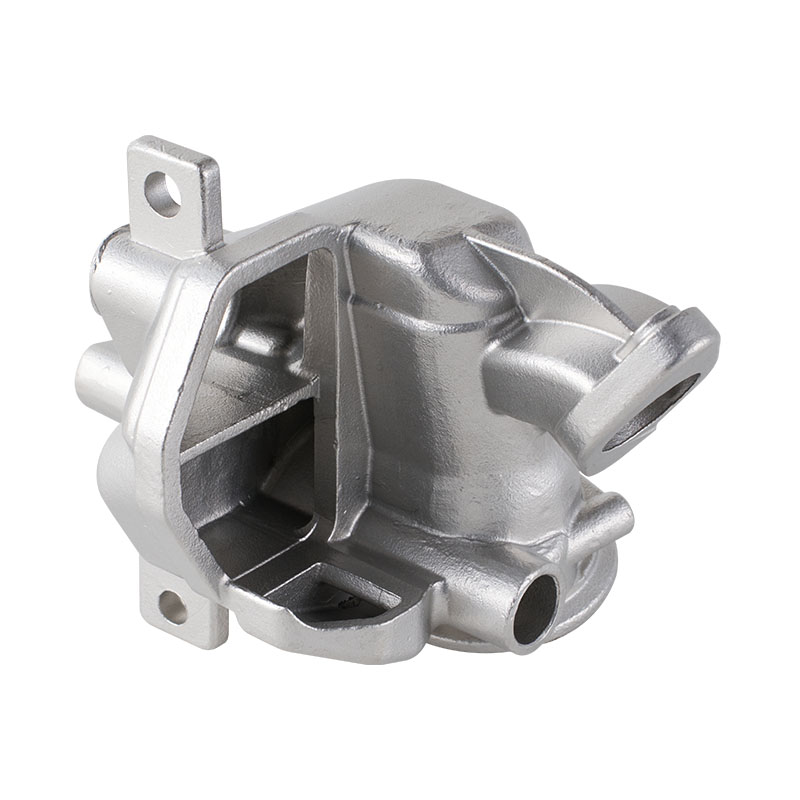
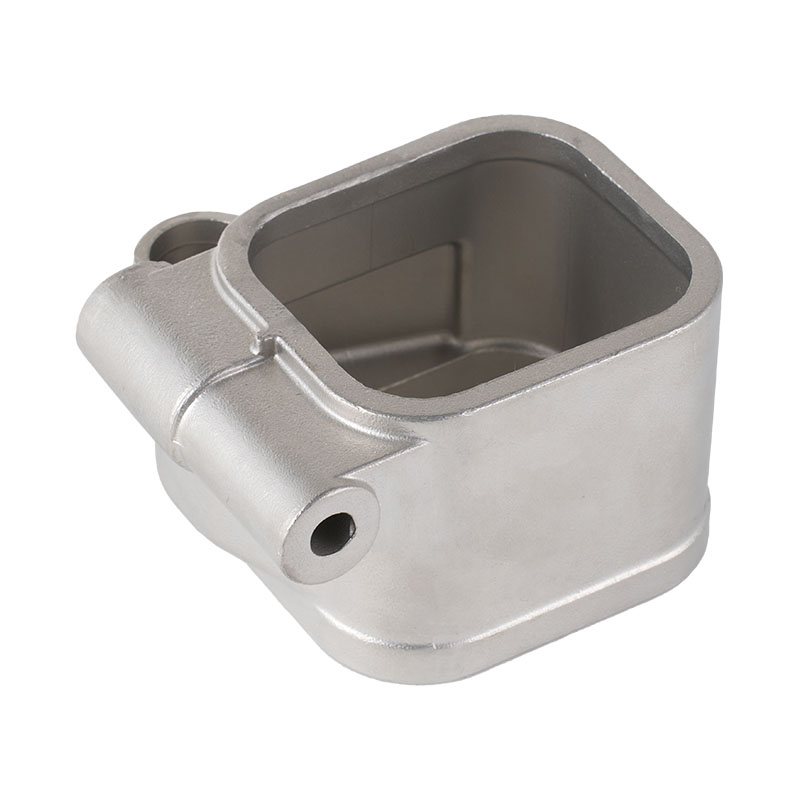
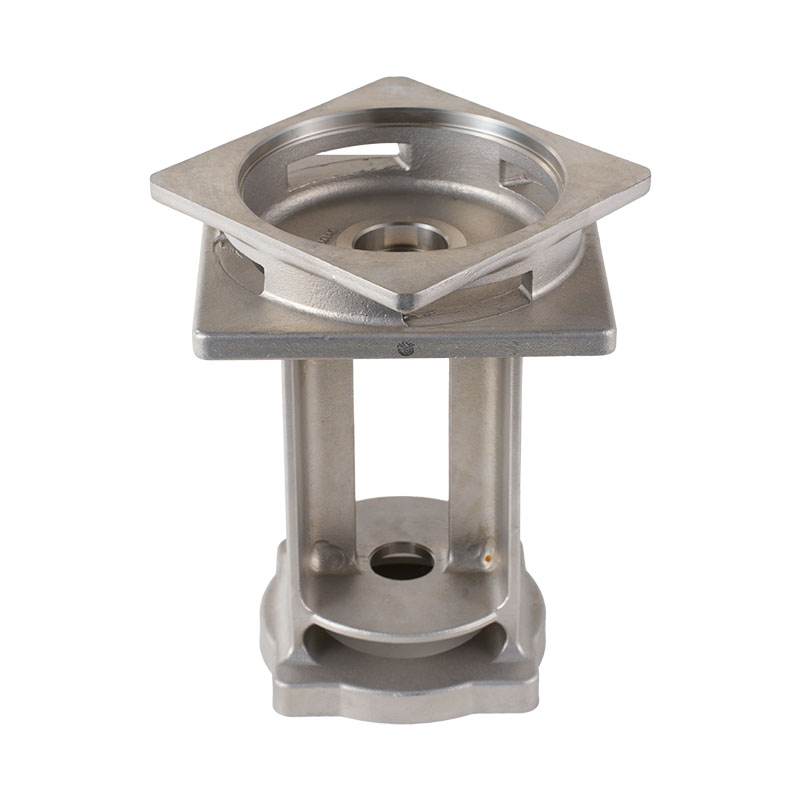
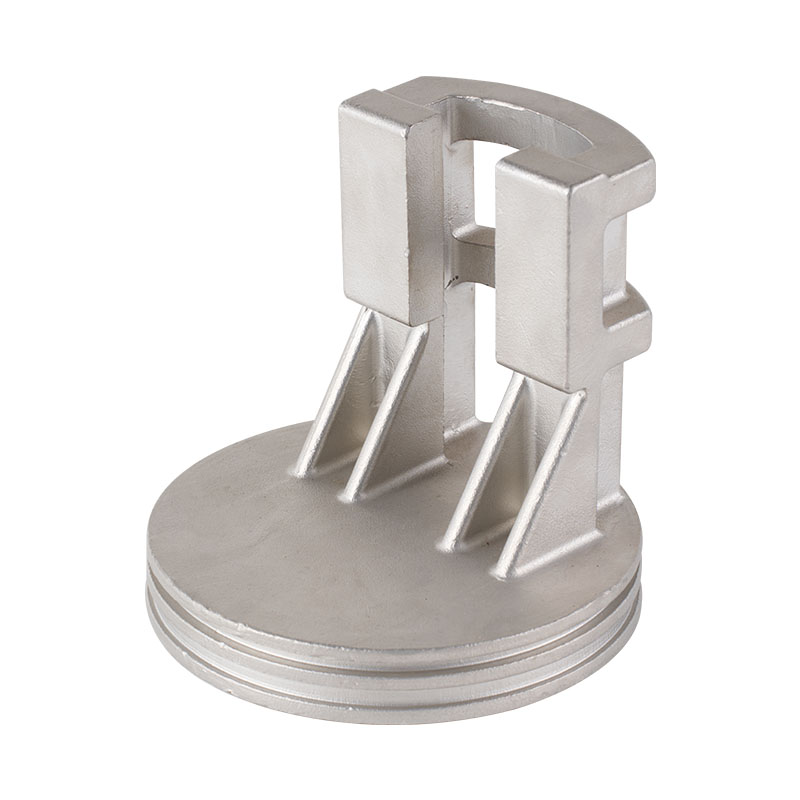
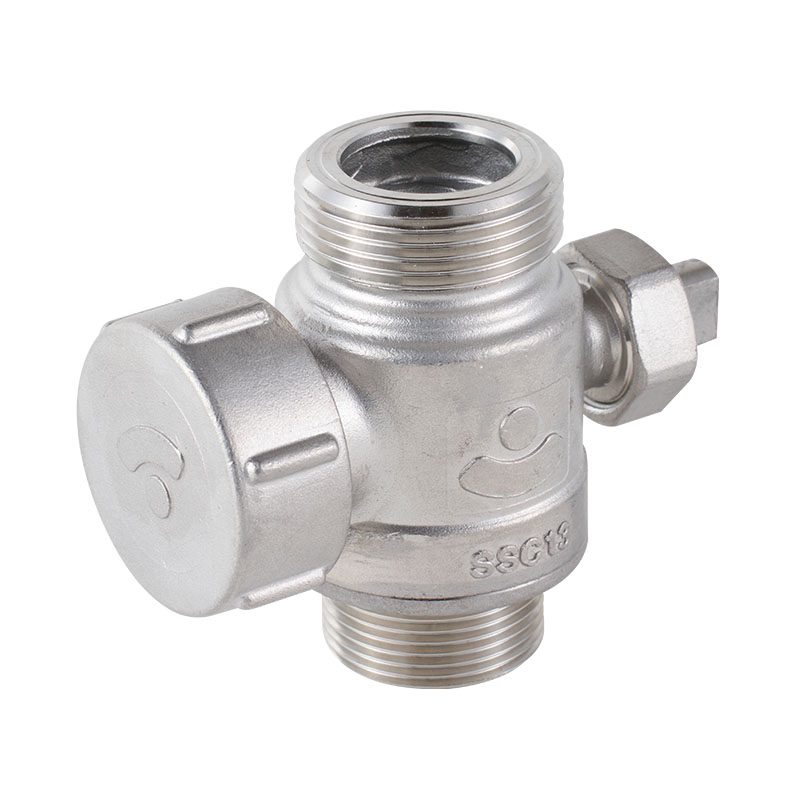
Control valves are everywhere in industrial processing. They regulate flow, pressure, temperature. The valve body is the structural heart of the valve. Carbon steel control valve body casting parts provide the strength to handle high pressures and the durability to withstand harsh conditions. The casting has to be sound, the dimensions have to be precise, and the material has to resist wear. Carbon steel control valve body casting parts manufacturers produce these components for the oil and gas, chemical, and power generation industries.
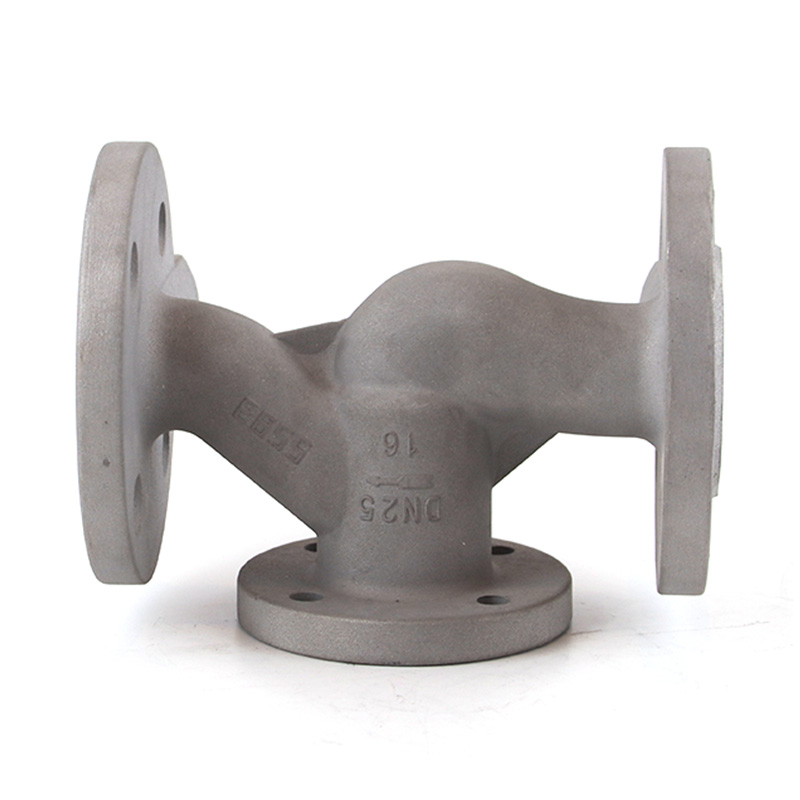
The valve body contains the system pressure
The body is the primary pressure boundary. Carbon steel control valve body casting parts manufacturers cast the body to handle the rated pressure without deforming or leaking.
The body supports the internal trim components
The trim controls the flow through the valve. Carbon steel control valve body casting parts manufacturers cast the body with precise mounting surfaces for the trim.
The body provides the connection to the piping
The valve connects to the pipeline through flanges or threaded ends. Carbon steel control valve body casting parts manufacturers cast the body with integral flanges or threaded ends.
Carbon steel offers a balance of strength and cost
Carbon steel is strong enough for high pressures. Carbon steel control valve body casting parts manufacturers use carbon steel for its strength and cost-effectiveness.
The alloy is matched to the service temperature
High temperatures require different alloys. Carbon steel control valve body casting parts manufacturers select the right carbon steel grade for the service temperature.
The material resists wear in abrasive services
Abrasive fluids wear out valve bodies. Carbon steel control valve body casting parts manufacturers use materials that resist abrasive wear.
Sand casting is the most common process for valve bodies
Sand casting is cost-effective for large valve bodies. Carbon steel control valve body casting parts manufacturers use sand casting for most valve body sizes.
Investment casting produces smaller, more complex bodies
Smaller valves need more precision. Carbon steel control valve body casting parts manufacturers use investment casting for small, complex valve bodies.
The casting is heat-treated to improve properties
Heat treatment improves strength and toughness. Carbon steel control valve body casting parts manufacturers heat-treat the castings to meet the material specifications.
The flange faces are machined to ensure a leak-tight connection
Flanges have to seal. Carbon steel control valve body casting parts manufacturers machine the flange faces to the specified surface finish.
The bore is machined for smooth flow
The internal flow path has to be smooth. Carbon steel control valve body casting parts manufacturers machine the bore to less turbulence and pressure drop.
The trim mounting surfaces are machined to precise dimensions
The trim has to fit precisely. Carbon steel control valve body casting parts manufacturers machine the trim mounting surfaces to hold the trim securely.
Hydrostatic testing verifies the pressure-holding capability
The casting has to hold pressure. Carbon steel control valve body casting parts manufacturers test each casting with hydrostatic pressure to verify its integrity.
Dye penetrant inspection detects surface defects
Surface cracks weaken the casting. Carbon steel control valve body casting parts manufacturers use dye penetrant inspection to detect surface defects.
Radiographic inspection detects internal defects
Internal flaws can't be seen. Carbon steel control valve body casting parts manufacturers use radiographic inspection to detect internal porosity and inclusions.
A carbon steel control valve body casting part is a component that does a critical job. The casting contains the pressure, the machining creates the sealing surfaces, and the testing confirms the integrity. Carbon steel control valve body casting parts manufacturers produce these components for flow control systems. That's what makes them essential. That's what makes them the standard for control valve reliability.