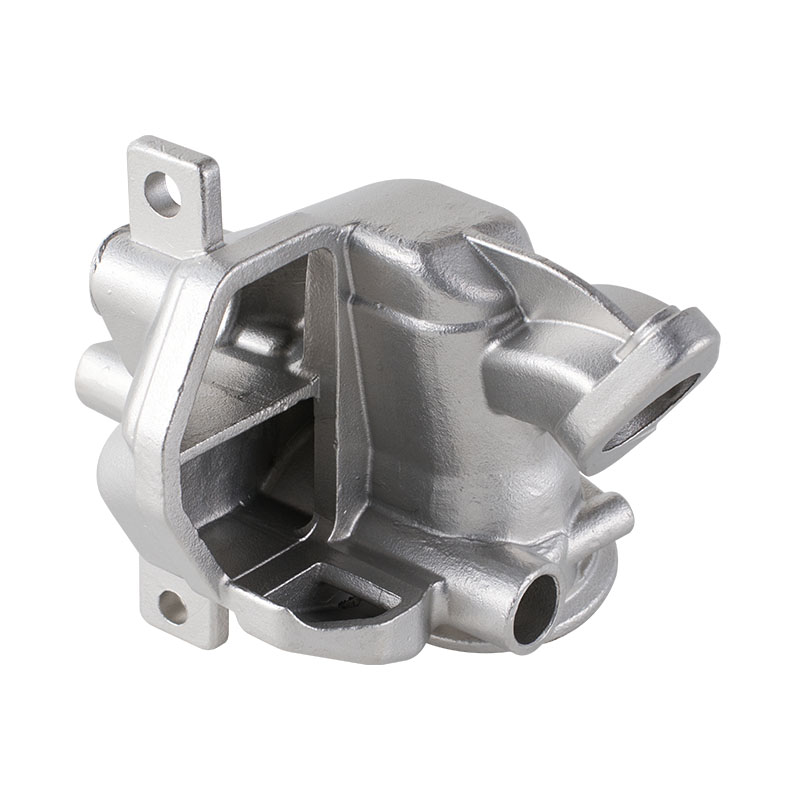
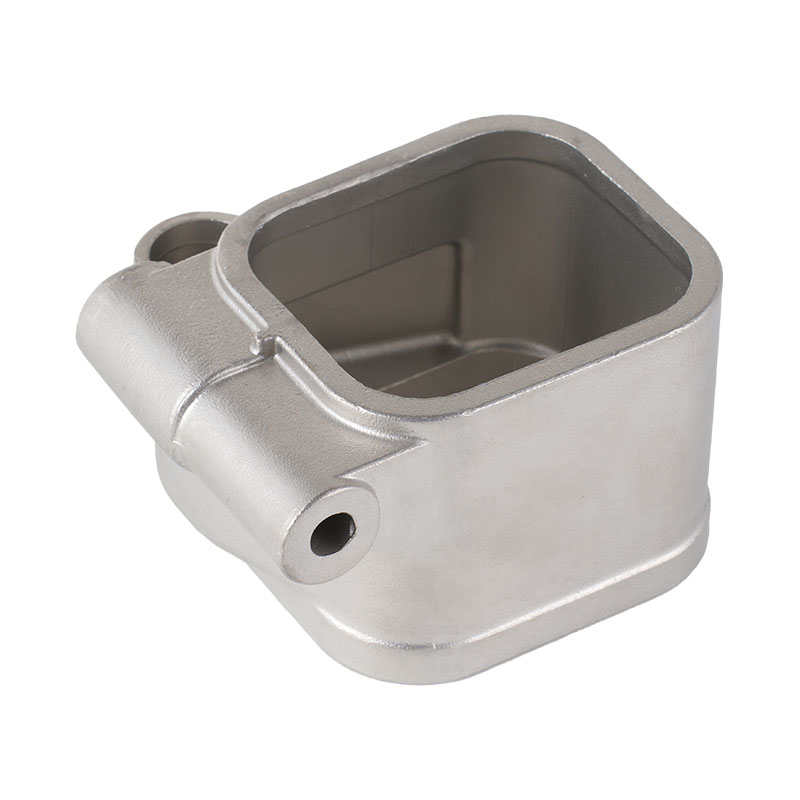
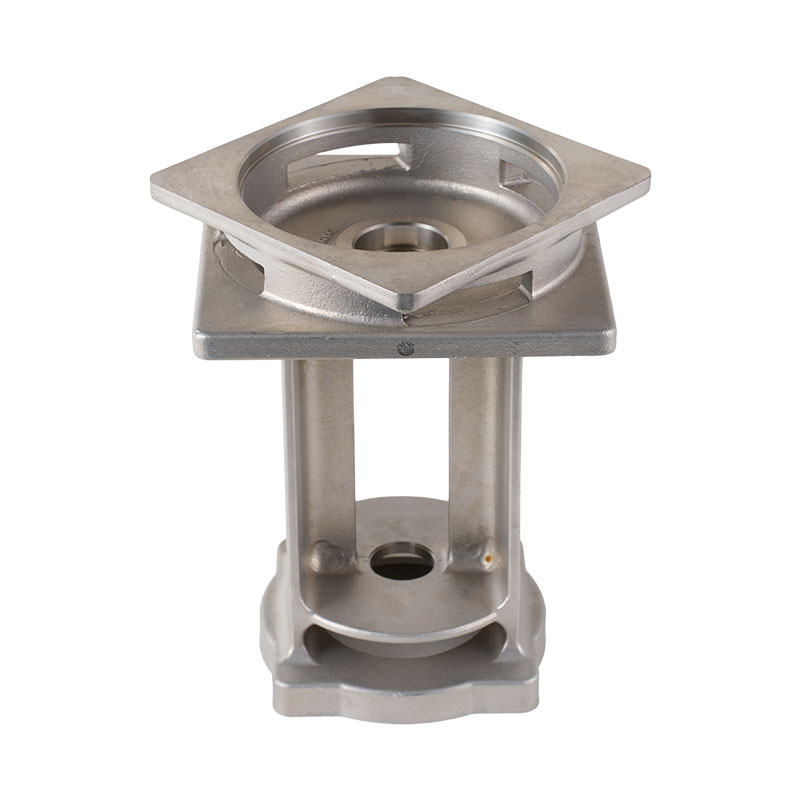
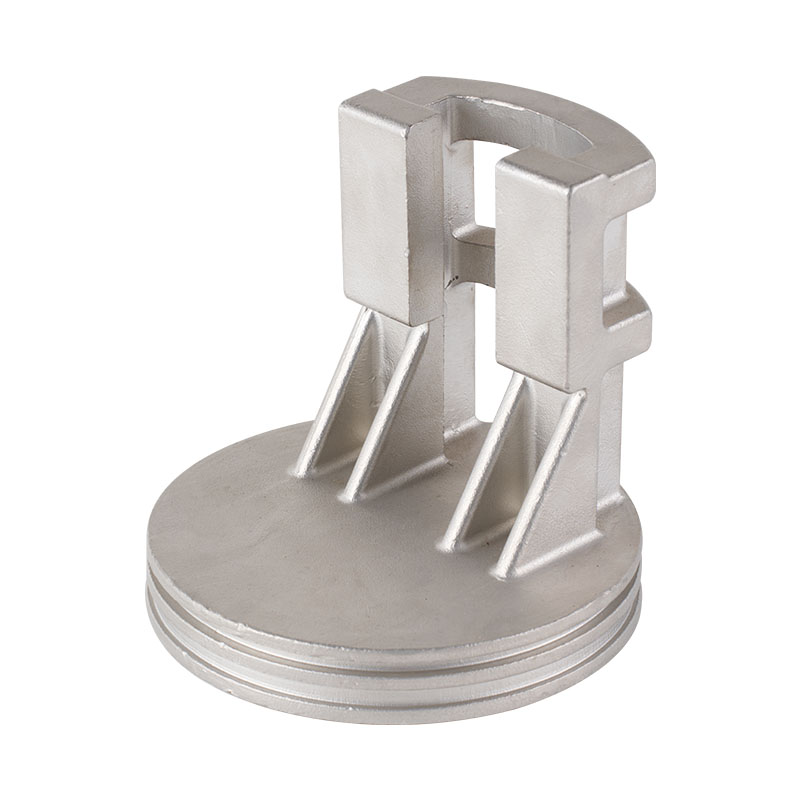
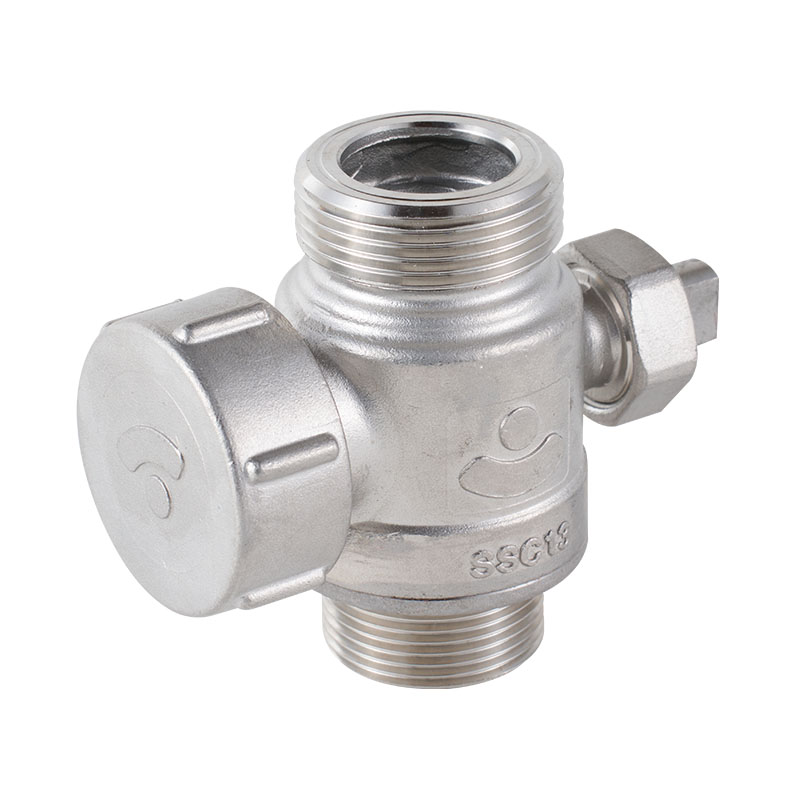
Stainless steel safety valve casting parts are the cast components that make up a safety valve. The parts include the valve body, bonnet, and disc. The safety valve opens when pressure exceeds the set point and closes when pressure drops. Manufacturers report steady demand from chemical, petrochemical, and power generation markets.
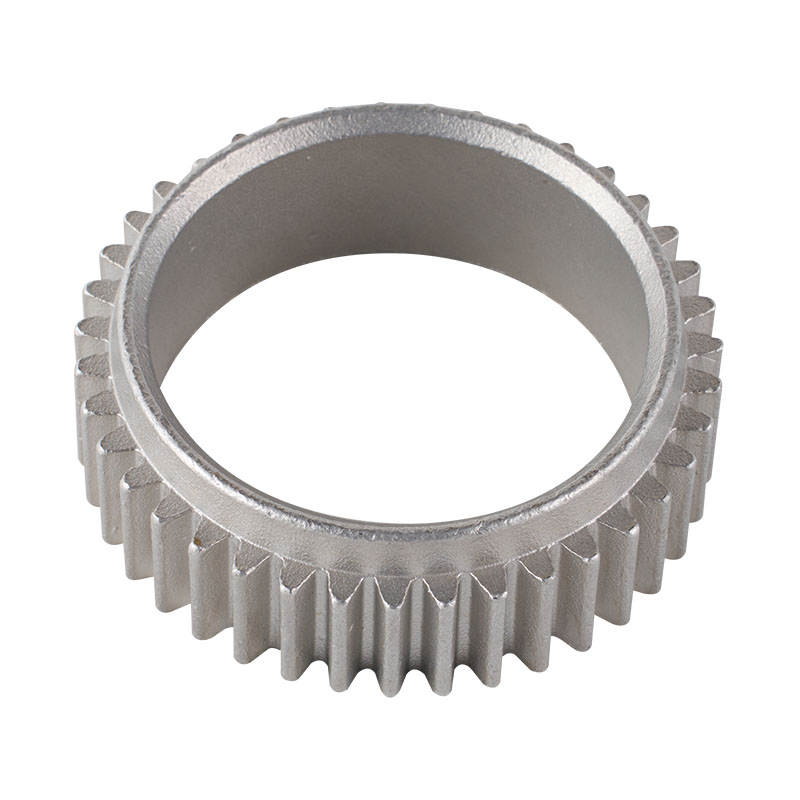
The valve body contains the system pressure and directs flow
The body is the primary pressure-containing part. It contains the system pressure and directs flow to the outlet. A stainless steel safety valve casting parts manufacturer casts the body to withstand the rated pressure. The inlet and outlet connections are machined to match the piping. The body is cast with sufficient wall thickness to handle the pressure rating without deformation.
The bonnet encloses the spring and guides the stem
The bonnet covers the top of the valve. A stainless steel safety valve casting parts manufacturer casts the bonnet to contain the spring and guide the stem. The bonnet bolts to the body. The spring sits inside the bonnet and applies force to the disc through the stem.
The disc seals against the seat until pressure lifts it
The disc is the moving part that opens and closes. A stainless steel safety valve casting parts manufacturer machines the disc to seal against the seat. When pressure exceeds the set point, the disc lifts. The disc and seat are machined to a fine finish to ensure a tight seal.
Common materials for stainless steel safety valve castings:
Chemical plants need safety valves for pressure vessels
Pressure vessels require overpressure protection. A stainless steel safety valve casting parts manufacturer supplies castings for valves that protect reactors, separators, and tanks. The castings resist corrosive fluids and maintain pressure integrity.
Petrochemical plants need safety valves for process lines
Process lines need pressure relief. A stainless steel safety valve casting parts manufacturer provides castings for valves that handle corrosive fluids. The castings are selected based on the fluid composition and operating temperature.
Power generation needs safety valves for boilers and steam lines
Boilers and steam systems require pressure relief. A stainless steel safety valve casting parts manufacturer supplies castings for high-temperature service. The castings maintain strength at elevated temperatures.
Pharmaceutical plants need safety valves for clean service
Clean processes require corrosion-resistant valves. A stainless steel safety valve casting parts manufacturer provides castings with smooth surfaces. The castings are machined and polished to meet hygienic standards.
Material grade must match the fluid and temperature
CF8M for corrosive fluids. CF3M for higher corrosion resistance. A stainless steel safety valve casting parts manufacturer recommends the alloy based on the application. The wrong grade can cause corrosion or premature failure.
Casting soundness determines pressure integrity
Porosity and inclusions weaken the casting. A stainless steel safety valve casting parts manufacturer inspects castings with radiographic and dye penetrant testing. The inspection catches defects before the casting is machined.
Machining accuracy affects sealing
The seat and disc must be machined accurately. A stainless steel safety valve casting parts manufacturer holds tight tolerances on the sealing surfaces. The seat and disc are matched to ensure a tight seal.
Pressure rating must match the system
The casting must handle the system pressure. A stainless steel safety valve casting parts manufacturer marks each casting with its rating. The rating is verified by hydrostatic testing.
Temperature rating must match the service
The casting must handle the operating temperature. A stainless steel safety valve casting parts manufacturer specifies the temperature range. The alloy and the casting design are selected to maintain strength at the operating temperature.
The castings contain the pressure
The body and bonnet hold the pressure. A stainless steel safety valve casting parts manufacturer produces castings that do not leak or deform. The castings are tested with hydrostatic pressure before shipment.
The castings resist corrosion
Stainless steel resists aggressive fluids. A stainless steel safety valve casting parts manufacturer supplies castings that last in chemical service. The castings are selected based on the fluid composition.
The castings are tested before shipment
Hydrostatic testing confirms pressure integrity. A stainless steel safety valve casting parts manufacturer tests each casting or batch. The test records are available to the buyer.