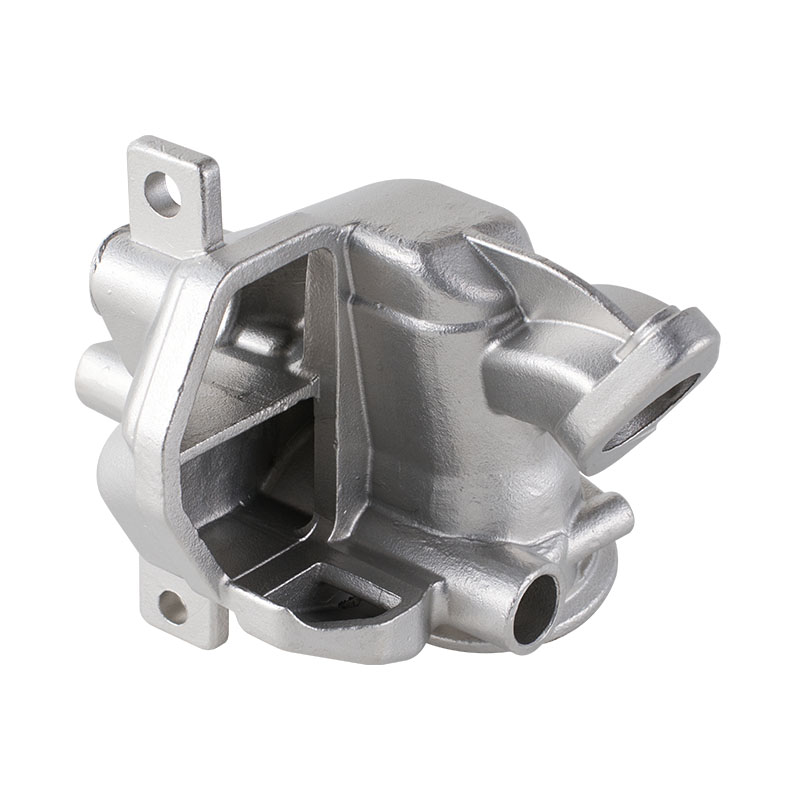
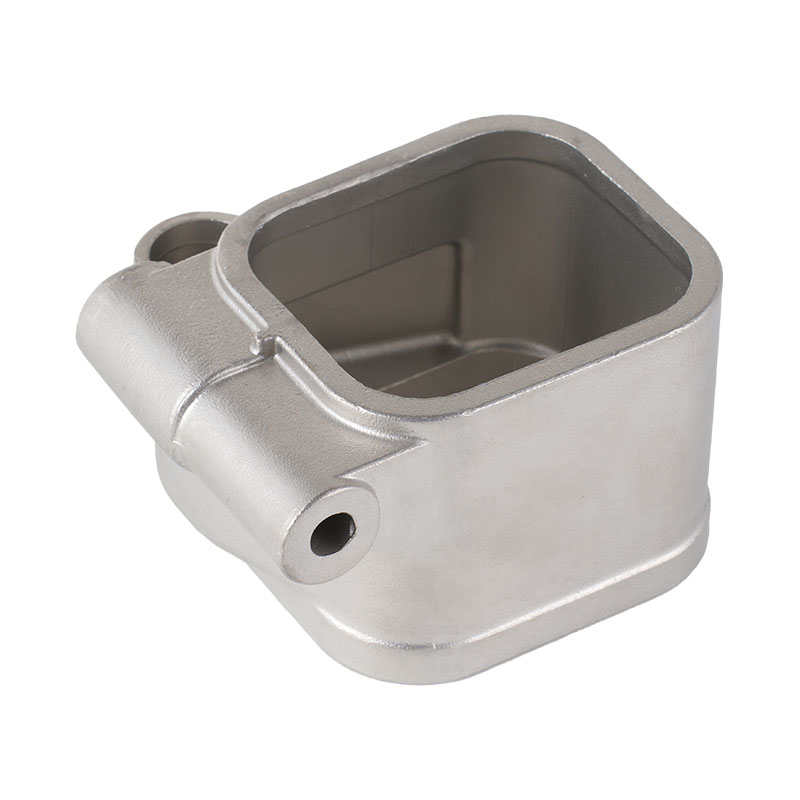
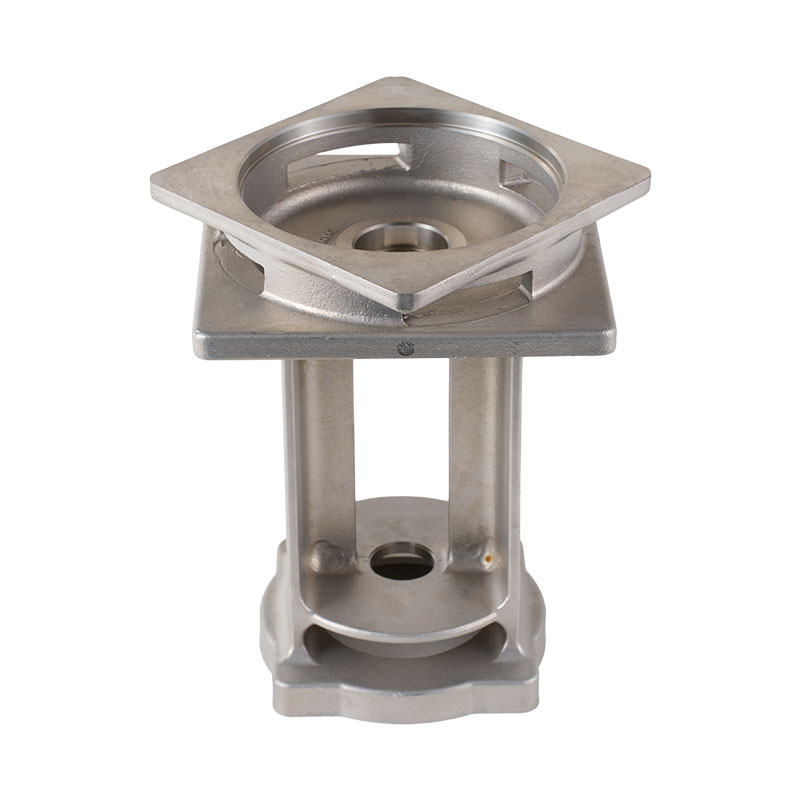
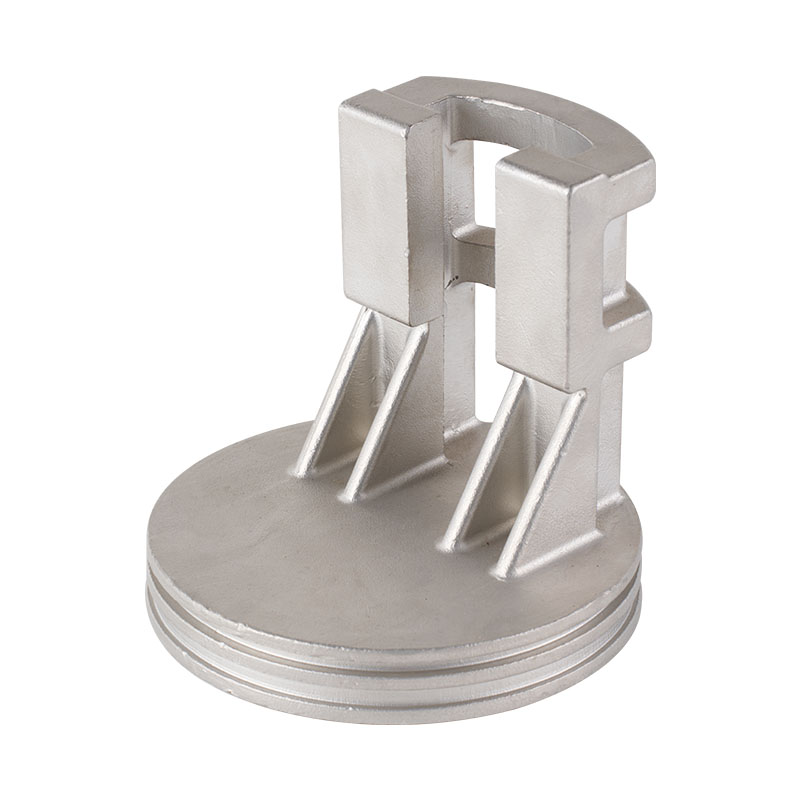
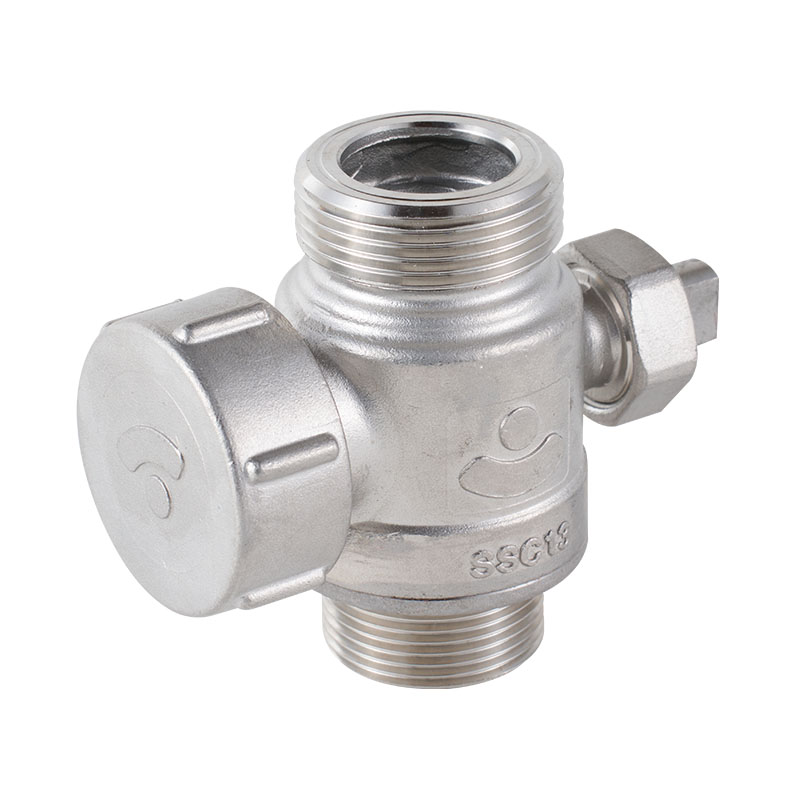
Flanged ball valve casting parts are the cast components that make up a flanged ball valve. The parts include the valve body, bonnet, and ball. The flanged connection allows the valve to be bolted directly to the pipeline. Manufacturers report steady demand from oil and gas, chemical, and water treatment markets.
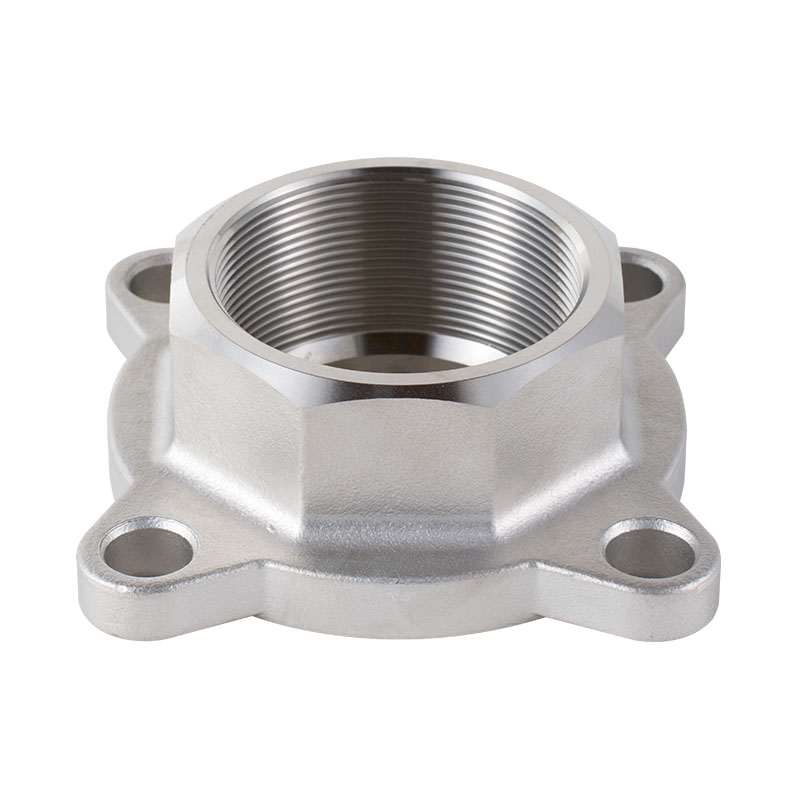
The valve body is the primary pressure-containing part
The body holds the ball and seats and connects to the pipeline. A flanged ball valve casting parts manufacturer casts the body with integral flanges. The flanges are machined flat and drilled to match the pipeline standard.
The bonnet encloses the stem and seals the body
The bonnet covers the top of the valve. A flanged ball valve casting parts manufacturer casts the bonnet to contain the stem and provide a sealing surface. The bonnet bolts to the body.
The ball controls flow with a quarter turn
The ball rotates inside the body. A flanged ball valve casting parts manufacturer machines the ball with a bore through the center. When the bore aligns with the flow path, the valve is open.
Common specs for flanged ball valve casting parts:
Oil and gas pipelines need flanged ball valves
Pipelines need reliable isolation. A flanged ball valve casting parts manufacturer supplies castings for valves that handle oil, gas, and refined products.
Chemical plants need flanged valves for aggressive fluids
Chemical processing requires corrosion-resistant valves. A flanged ball valve casting parts manufacturer provides castings in stainless steel and alloy materials.
Water treatment plants need flanged valves for large pipes
Water systems use flanged connections for large pipes. A flanged ball valve casting parts manufacturer supplies castings for water and wastewater applications.
Power generation needs flanged valves for high-pressure steam
Power plants require valves that handle high pressure and temperature. A flanged ball valve casting parts manufacturer provides castings for steam and feedwater systems.
Material grade must match the service
Carbon steel for general service. Stainless steel for corrosive fluids. A flanged ball valve casting parts manufacturer recommends the alloy based on the application.
Casting soundness determines pressure integrity
Porosity and inclusions weaken the casting. A flanged ball valve casting parts manufacturer inspects castings with radiographic and dye penetrant testing.
Machining accuracy affects sealing
The flange faces and ball bore must be machined accurately. A flanged ball valve casting parts manufacturer holds tight tolerances.
Pressure rating must match the system
The casting must handle the system pressure. A flanged ball valve casting parts manufacturer marks each casting with its rating.
Flange dimensions must match the pipe
The flanges must match the pipeline standard. A flanged ball valve casting parts manufacturer machines the flanges to ANSI, DIN, or JIS dimensions.
The castings form the pressure boundary
The body and bonnet contain the pressure. A flanged ball valve casting parts manufacturer produces castings that hold pressure without leaking.
The castings are machined for proper sealing
The flange faces and ball bore are machined to specification. A flanged ball valve casting parts manufacturer supplies castings that seal properly.
The castings are tested before shipment
Hydrostatic testing confirms pressure integrity. A flanged ball valve casting parts manufacturer tests each casting or batch.
Flanged ball valve casting parts are used in oil and gas, chemical, water treatment, and power generation. Buyers prioritize material grade, casting soundness, and machining accuracy. Flanged ball valve casting parts manufacturers continue to offer different materials, sizes, and pressure ratings to meet the needs of different applications.